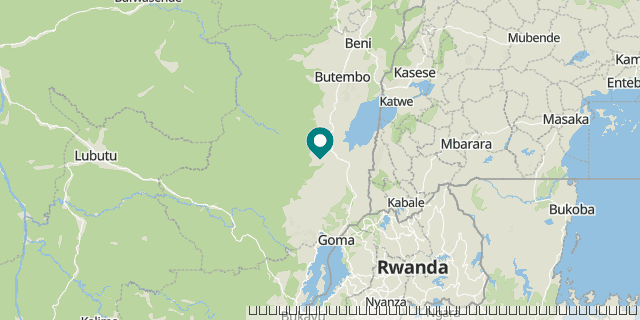
22 dödade i massaker i norra Kongo-Kinshasa
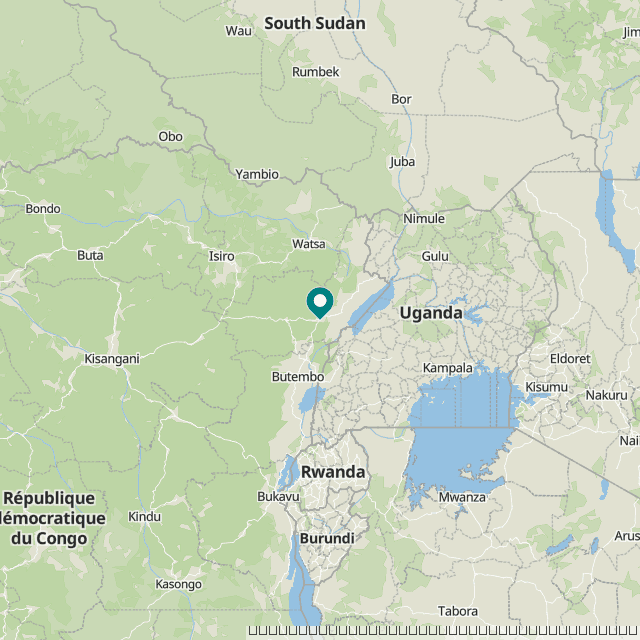
22 civila har dödats i en massaker i norra Kongo-Kinshasa under helgen, skriver AFP. Händelsen ska ha inträffat i staden Eringeti som tidigare plågats av liknande massakrer och myndigheterna pekar ut ugandiska rebeller som ansvariga för morden. Samtidigt förekommer anklagelser om att andra grupper, däribland personer från den kongolesiska armén, deltagit i blodiga angrepp.
Oroligheter och våldsdåd har ökat över hela Kongo-Kinshasa den gångna veckan sedan president Joseph Kabila vägrat avgå, trots att hans andra och sista mandatperiod har löpt ut.
bakgrund
Kongo-Kinshasas politiska historia
Wikipedia (en)
Politics of the Democratic Republic of Congo take place in a framework of a republic in transition from a civil war to a semi-presidential republic.
On 18 and 19 December 2005, a successful nationwide referendum was carried out on a draft constitution, which set the stage for elections in 2006. The voting process, though technically difficult due to the lack of infrastructure, was facilitated and organized by the Congolese Independent Electoral Commission with support from the UN mission to the Congo (MONUC). Early UN reports indicate that the voting was for the most part peaceful, but spurred violence in many parts of the war-torn east and the Kasais.
In 2006, many Congolese complained that the constitution was a rather ambiguous document and were unaware of its contents. This is due in part to the high rates of illiteracy in the country. However, interim President Kabila urged Congolese to vote 'Yes', saying the constitution is the country's best hope for peace in the future. 25 million Congolese turned out for the two-day balloting. [1] [2] According to results released in January 2006, the constitution was approved by 84% of voters. [3]. The new constitution also aims to decentralize authority, dividing the vast nation into 25 semi-autonomous provinces, drawn along ethnic and cultural lines.[4]
The country's first democratic elections in four decades were held on 30 July 2006, with a run-off between the incumbent, President Kabila, and his rival Bemba held on 29 October 2006. Polling was once again facilitated - yet not run - by UN peacekeepers. [5].
Omni är politiskt obundna och oberoende. Vi strävar efter att ge fler perspektiv på nyheterna. Har du frågor eller synpunkter kring vår rapportering? Kontakta redaktionen