Rwandakännare: Finns ett totalitärt drag hos Kagame
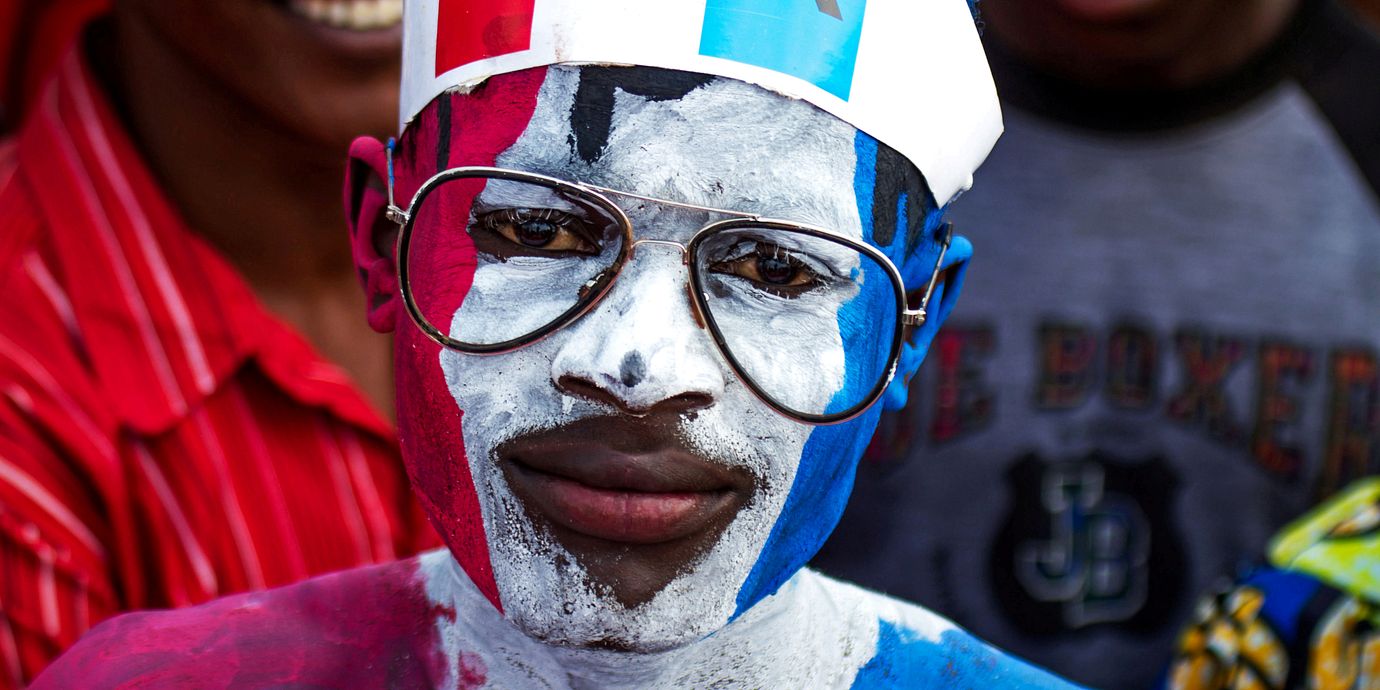
Rwandas president Paul Kagame går mot en jordskredsseger i valet på fredag, skriver flera medier. Den hjälteförklarade presidenten, som bidrog till att få ett slut på folkmordet 1994, har ingen egentlig utmanare.
Kagame har anklagats för att vara en despot men är samtidigt en av Afrikas mest beundrade ledare. Finn Norgren, tidigare chef för Radiohjälpen, har bott i Rwanda i många år. Han anser att det är viktigt att ge en mer nyanserad bild av Kagame, som han anser ofta blir smutskastad i västerländsk media.
– Visst är det så att presidenten har ett totalitärt drag, men man måste komma ihåg att han har lyckats ge rwandierna fred och försoning på ett helt mirakulöst sätt. Det får man inte ta ifrån honom, säger han till TT.
bakgrund
Paul Kagame
Wikipedia (en)
Paul Kagame (; born 23 October 1957) is the current President of Rwanda having taken office in 2000 when his predecessor, Pasteur Bizimungu, resigned. Kagame previously commanded the rebel force that ended the 1994 Rwandan Genocide. He was considered Rwanda's de facto leader when he served as Vice President and Minister of Defence from 1994 to 2000.
Kagame was born to a Tutsi family in southern Rwanda. When he was two years old, the Rwandan Revolution ended centuries of Tutsi political dominance; his family fled to Uganda, where he spent the rest of his childhood. In the 1980s, Kagame fought in Yoweri Museveni's rebel army, becoming a senior Ugandan army officer after Museveni's military victories carried him to the Ugandan presidency. Kagame joined the Rwandan Patriotic Front (RPF), which invaded Rwanda in 1990; leader Fred Rwigyema died early in the war and Kagame took control. By 1993, the RPF controlled significant territory in Rwanda and a ceasefire was negotiated. The assassination of Rwandan President Juvénal Habyarimana was the starting point of the genocide, in which Hutu extremists killed an estimated 500,000 to one million Tutsi and moderate Hutu. Kagame resumed the civil war, and ended the genocide with a military victory.
During his vice-presidency, Kagame controlled the national army and maintained law and order, while other officials began rebuilding the country. Many RPF soldiers carried out retribution killings; it is disputed whether Kagame organised these, or was powerless to stop them. Hutu refugee camps formed in Zaire and other countries, which were controlled by the genocidaires (participants in the genocide) and threatened Rwanda's security. The RPF indiscriminately attacked the camps in 1996, forcing many refugees to return home, but insurgents continued to attack Rwanda. The attack on the refugee camps killed an estimated 200,000 people. As part of the invasion, Kagame sponsored two controversial rebel wars in Zaire. The Rwandan- and Ugandan-backed rebels won the first war (1996–97), installing Laurent-Désiré Kabila as president in place of dictator Mobutu and renaming the country as the Democratic Republic of the Congo (DRC). The second war was launched in 1998 against Kabila, and later his son Joseph, following the DRC government's expulsion of Rwandan and Ugandan military forces from the country. The war escalated into a continent-wide conflict which lasted until a 2003 peace deal and ceasefire.
As president, Kagame has prioritised national development, launching a programme to develop Rwanda as a middle income country by 2020. As of 2013, the country is developing strongly on key indicators, including health care and education; annual growth between 2004 and 2010 averaged 8% per year. Kagame has had mostly good relations with the East African Community and the United States; his relations with France were poor until 2009. Relations with the DRC remain tense despite the 2003 ceasefire; human rights groups and a leaked United Nations report allege Rwandan support for two insurgencies in the country, a charge Kagame denies. Several countries suspended aid payments in 2012 following these allegations. Kagame is popular in Rwanda and with some foreign observers; human rights groups accuse him of political repression. He won an election in 2003, under a new constitution adopted that year, and was elected for a second term in 2010.
Omni är politiskt obundna och oberoende. Vi strävar efter att ge fler perspektiv på nyheterna. Har du frågor eller synpunkter kring vår rapportering? Kontakta redaktionen