Kurderna: Irak försöker provocera fram en konflikt
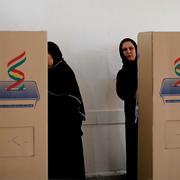
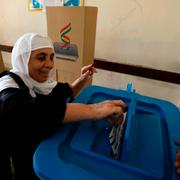
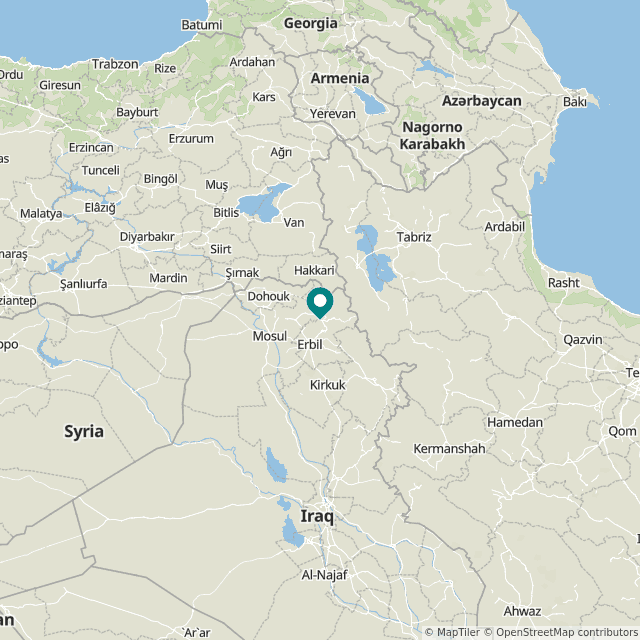
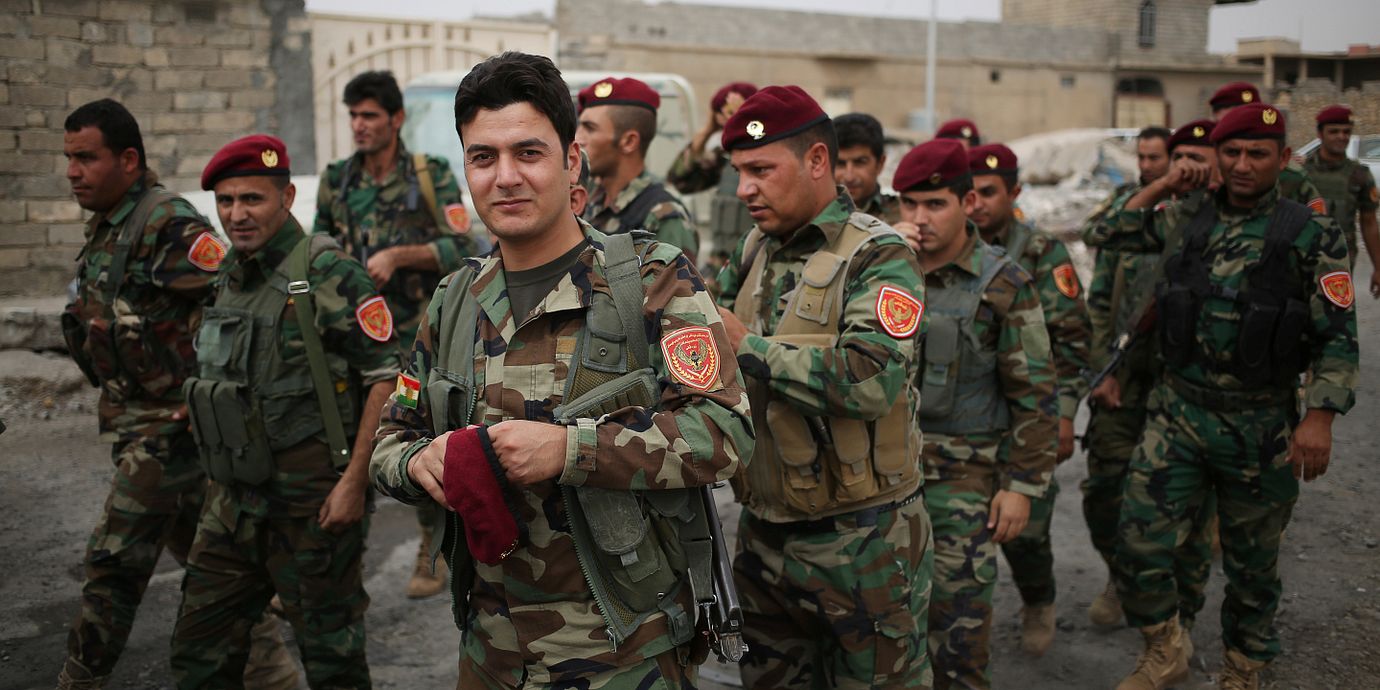
Kurdiska myndigheter har stationerat tiotusentals Peshmergaenheter runt den omtvistade oljestaden Kirkuk och anklagar Irak för att försöka provocera fram en konflikt i området.
”Deras order är att försvara (staden) till varje pris”, skriver Hemin Hawrami, som är rådgivare till den kurdiska ledningen, på Twitter.
Hawrami uppmanar det internationella samfundet att ingripa och be Iraks premiärminister Haider al-Abadi att dra tillbaka de irakiska styrkorna.
”Ingen eskalering från vår sida. Bara försvara och förflytta dem bakåt om de attackerar,” tillägger han.
bakgrund
Kirkuk
Wikipedia (en)
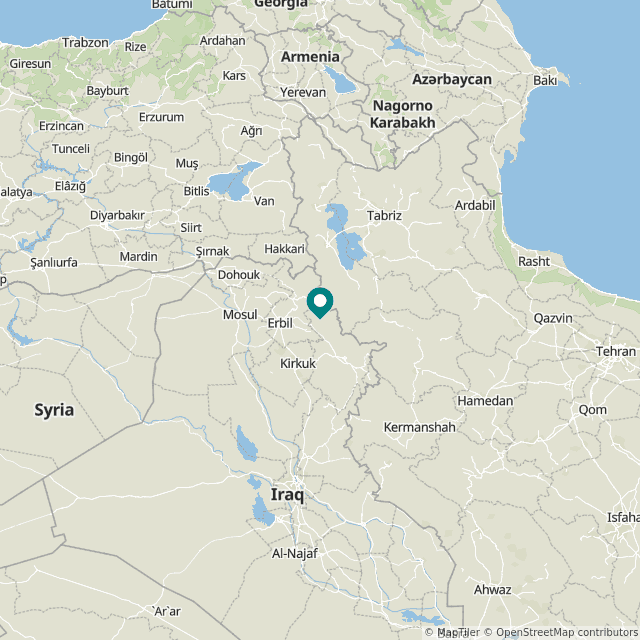
Kirkuk (Arabic: كركوك Karkūk, Kurdish: کەرکووک Kerkûk, Turkish: Kerkük; Syriac: ܟܪܟ ܣܠܘܟ ,ܟܪܟܘܟ Karkh-Selokh) is a city in the Kirkuk Governorate of Iraq, 180 kilometres (112 miles) noth of Baghdad. It is also the capital of Kirkuk Governorate.
Kirkuk lies in a wide zone with an enormously diverse population and has been multilingual for centuries. There were dramatic demographic changes during Kirkuk's urbanization in the twentieth century, which saw the development of distinct ethnic groups. Kurds, Turkmen, Arabs and Chaldeans lay conflicting claims to this zone, and all have their historical accounts and memories to buttress their claims.
The city sits on the ruins of the original Kirkuk Citadel, site of the ancient mid 3rd millennium BC, Assyrian city of Arrapha, and which sits near the Khasa River. The city is mentioned during the Sumero-Akkadian period of Assyria in cuneiform script from about 2400 BC. The region became a part of the Akkadian empire (2335-2154 BC) which united all of the Akkadian and Sumerian speaking Mesopotamians under one rule. After its collapse, the language isolate speaking Gutians, a pre-Iranic race from Ancient Iran, overran the region for a few decades, making Arrapha their capital, before being ejected from Mesopotamia by the Sumerians during the Neo-Sumerian Empire (2112-2004 BC). The city later came to be dominated by the language isolate speaking Hurrians from eastern Anatolia before being incorporated into the Old Assyrian Empire (2025-1750 BC), after which Arrapha and indeed the whole of northern Mesopotamia, together with parts of north east Syria and south east Turkey, became a part of Assyria proper. During the late 15th century BC Assyria and Arrapha was under the domination of the short lived Mittani-Hurrian empire, but after the Assyrians overthrew and destroyed the Hurri-Mitanni in the early 14th century BC the city was once more under Assyrian rule. Arrapha remained an important Assyrian city until the fall of the Assyrian empire between 615-599 BC. After this it remained a part of the geo-political province of Assyria (Achaemenid Assyria, Athura, Seleucid Syria, Assyria (Roman province) and Assuristan) under various foreign empires, and between the 2nd century BC and 3rd century AD became the capital of the Neo-Assyrian state of Beth Garmai before this was conquered into the Sassanid empire and became a part of Assuristan. The Arab Islamic conquest of the 7th century AD saw the dissolution of Assyria as a geo-political entity.
Kurds and Turkmens have claimed the city as a cultural capital. It was named the "capital of Iraqi culture" by the Iraqi ministry of culture in 2010. The city currently consists mainly of people who self-identify as Kurds, Arabs, Iraqi Turkmens and Chaldeans, with changes in population after the fall of Saddam Hussein, the US invasion, and the war against the Islamic State.
Omni är politiskt obundna och oberoende. Vi strävar efter att ge fler perspektiv på nyheterna. Har du frågor eller synpunkter kring vår rapportering? Kontakta redaktionen