Kvinnor tar sina familjer ur fattigdom – med bageri
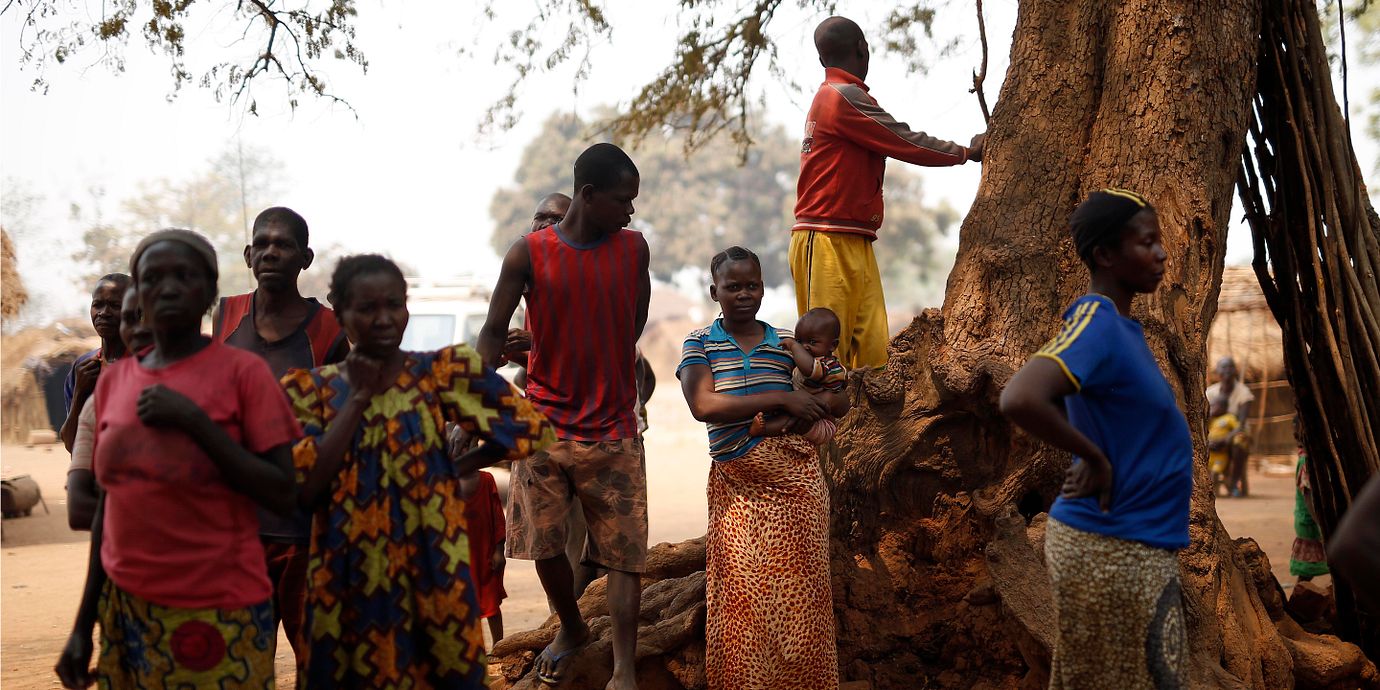
Kvinnor startar företag för att ta sig ur fattigdom i Centralafrikanska republiken, skriver The Guardian. En grupp kvinnor i den våldshärjade staden Bamingu öppnade förra året ett bageri och deras brödlimpor har blivit en lokal succé. Men inte bara på grund av att deras ekonomi förbättras, de visar även upp ett gott exempel på att kvinnor kan försörja sin familj.
– Bageriet gör oss mäktigare än förr. Min man respekterar mitt arbete. Nu är vi jämlikar, säger gruppens ledare, Abaka, till tidningen.
Abakas förhoppning är att något gott ska komma ur den konflikt som har präglat landet under många år.
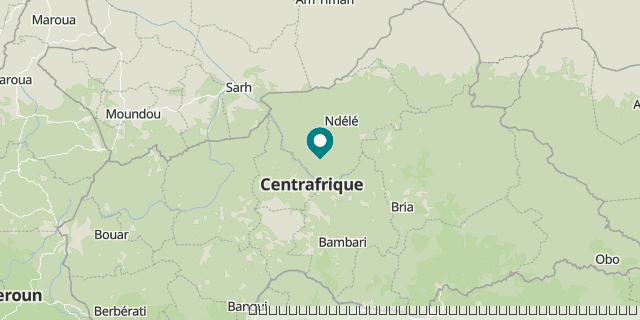
Bamingu, Centralafrikanska republiken
Läs också
bakgrund
Inbördeskriget i Centralafrikanska republiken
Wikipedia (en)
The Central African Republic conflict is a civil war in the Central African Republic (CAR) involving the government, rebels from the Séléka coalition, and anti-balaka militias.In the Central African Republic Bush War, the government of President François Bozizé fought with rebels until a peace agreement in 2007. The current conflict arose when a new coalition of varied rebel groups, known as Séléka, accused the government of failing to abide by the peace agreements and captured many towns at the end of 2012. The capital was seized by the rebels in March 2013, Bozizé fled the country, and the rebel leader Michel Djotodia declared himself president. Renewed fighting began between Séléka and militias called anti-balaka. In September 2013, President Djotodia disbanded the Séléka coalition, which had lost its unity after taking power, and in January 2014, Djotodia resigned. He was replaced by Catherine Samba-Panza, but the conflict continued. In July 2014, ex-Séléka factions and anti-balaka representatives signed a ceasefire agreement in Brazzaville. By the end of 2014, the country was de facto partitioned with the anti-Balaka controlling the south and west, from which most Muslims had evacuated, and ex-Seleka groups controlling the north and east.Much of the tension is over religious identity between Muslim Séléka fighters and Christian anti-balaka. Other contributing factors include ethnic differences among ex-Séléka factions and historical antagonism between agriculturalists, who largely comprise anti-balaka, and nomadic groups, who constitute most Séléka fighters. More than 1.1 million people have fled their homes in a country of about 5 million people, the highest ever recorded in the country.
Omni är politiskt obundna och oberoende. Vi strävar efter att ge fler perspektiv på nyheterna. Har du frågor eller synpunkter kring vår rapportering? Kontakta redaktionen