Branden så intensiv att den skapar eget vädersystem
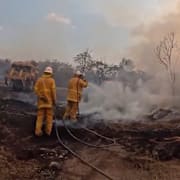
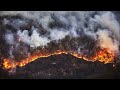
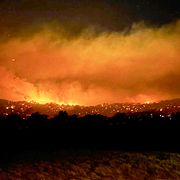
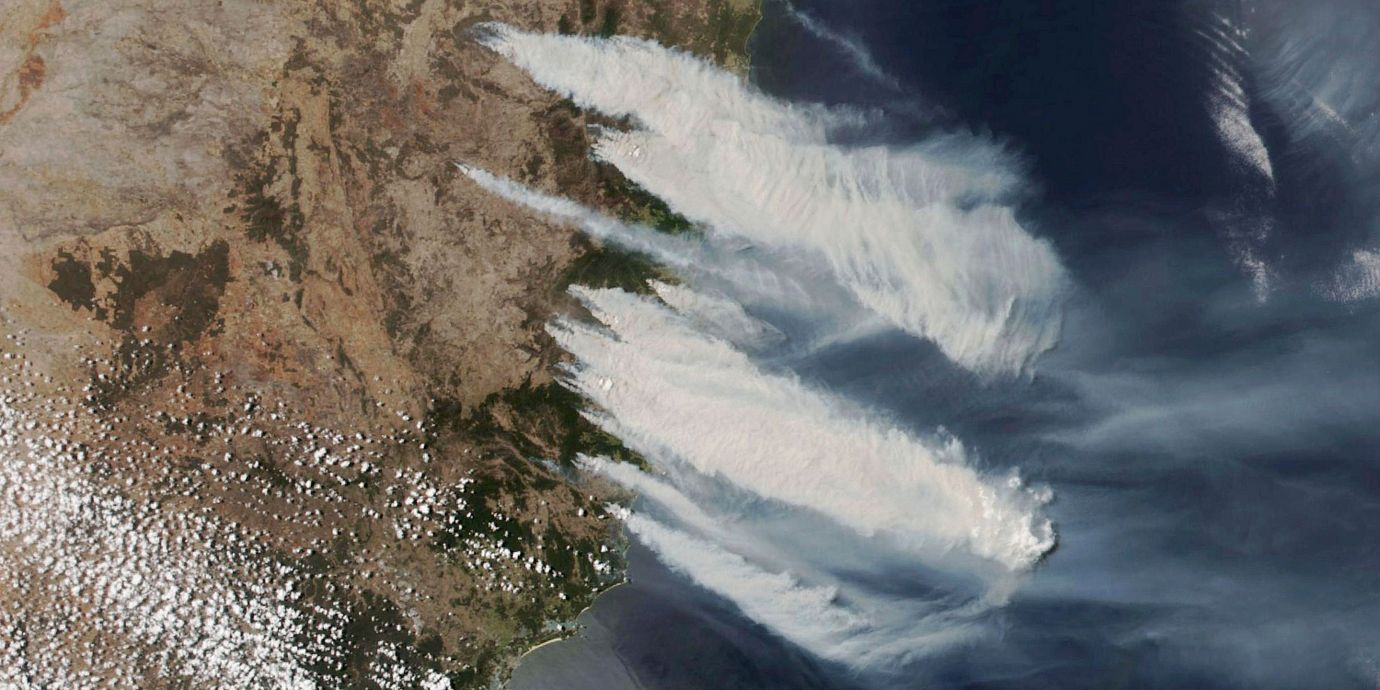
Skogsbränderna i den australiska delstaten Victoria är så stora och intensiva just nu att de har skapat ett eget vädersystem, rapporterar ABC. Värmen får stora luftmassor att stiga, vilket orsakar en särskild sorts åskoväder med så kallade Pyrocumulonimbusmoln.
Blixtarna från den elddrivna åskan, tillsammans med torrt underlag, extrem hetta och stark vind skapar förödande förutsättningar för bränder under fredagen.
– Förbered dig nu genom att verkställa din överlevnadsplan för skogsbränder. Om du befinner dig i ett område med katastrofal risk, lämna det i god tid, säger Victorias kriskommissionär Tim Wiebusch, enligt BBC.
bakgrund
Brandsäsongen 2019/2020 kom att kallas ”den svarta sommaren”
Wikipedia (en)
The 2019–20 Australian bushfire season, also known as the Black Summer, was one of the most intense and catastrophic fire seasons on record in Australia. Exceptionally dry conditions, a lack of soil moisture, and early fires in Central Queensland led to a premature start to the bushfire season from June 2019. Over ten thousand fires burnt, mainly in the south-east of the country, until March 2020. The most severe fires hit from December 2019 to January 2020.
The fires burnt more than 24 million hectares (59 million acres; 240,000 square kilometres; 93,000 square miles) destroyed over 3,000 buildings, and directly killed 33 people. Bushfire smoke was responsible for an additional 417 deaths. An estimated three billion terrestrial vertebrates, mostly reptiles, were killed or displaced. Some species may have been driven to extinction. In all affected states, air quality dropped to dangerous levels, and smoke moved across the Southern Ocean to impact weather conditions in other continents. Carbon emissions exceeded 700 million tonnes.
Rescue and recovery efforts were immense. States of emergency were declared across various regions of New South Wales (NSW) and the north-east to east of Victoria, which were the areas most impacted. NSW alone recorded 11,774 fires; six percent of the state burned. Methods of community damage control included total fire bans and strict evacuation orders. The Australian Defence Force was mobilised to provide manpower and logistical support, and international crews were brought in from New Zealand, Singapore, Canada and the United States. An air tanker, helicopters and fire trucks crashed in rescue efforts, resulting in the deaths of several crew members. The last major fire in Victoria was contained on 27 February 2020, and all fires in New South Wales were extinguished by 2 March.
The total economic loss was estimated being at least $100 billion, far and away the costliest natural disaster in Australian history. Tourism sector revenues fell by $2.8 billion.
There was considerable debate regarding the underlying cause of the intensity and scale of the fires, including the role of fire management practices and climate change. The fires attracted significant international attention. An estimated $500 million was donated by the public, international organisations, public figures and celebrities for victim relief and wildlife recovery. Convoys of donated food, clothing and livestock feed were sent to affected areas.
Omni är politiskt obundna och oberoende. Vi strävar efter att ge fler perspektiv på nyheterna. Har du frågor eller synpunkter kring vår rapportering? Kontakta redaktionen