Finsk optimism högre än under Nokias storhetstid
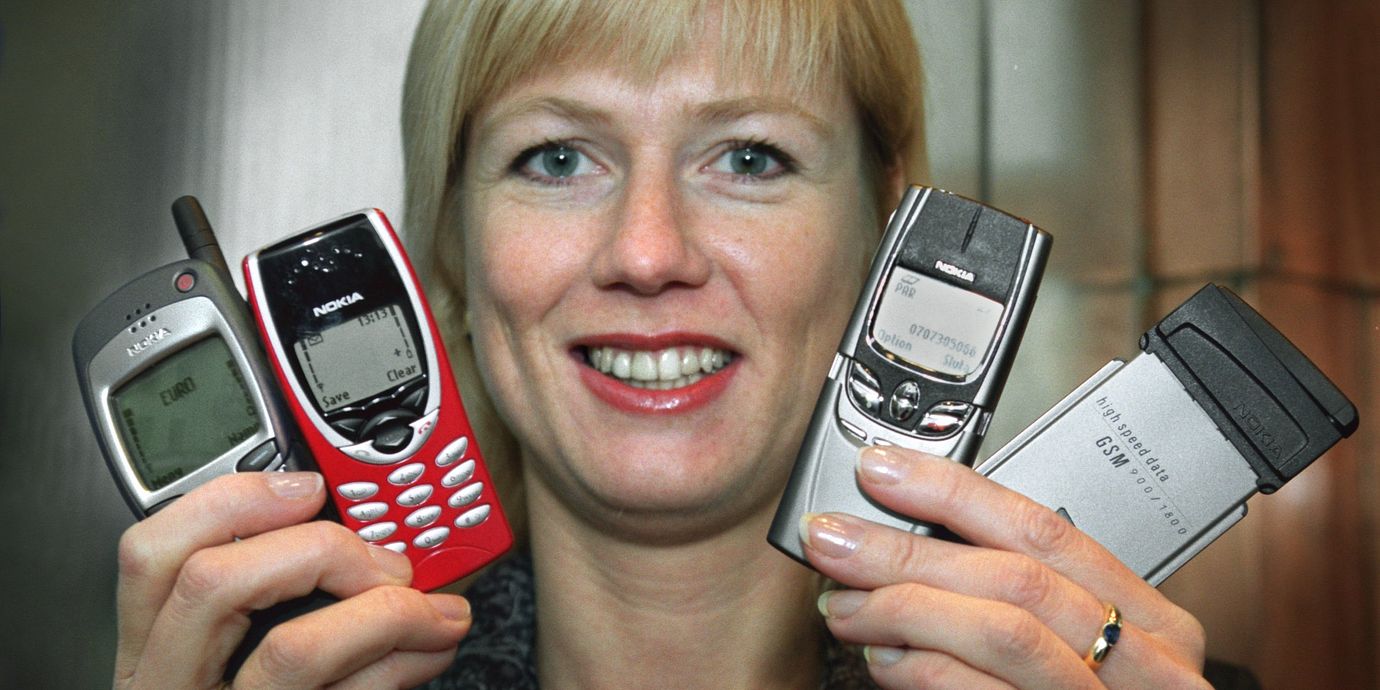
I maj har de finska hushållens förtroende för ekonomin stigit till den högsta nivån sedan mätningarna började 1995, skriver Bloomberg. Dagens nivå på 24,1 punkter är därmed högre än när landet var hem för världens då största mobiltillverkare – Nokia. Så väl konsumenter som företag hoppas nu på att landet är på väg ur en flera år lång period av stagnation.
– En stark tillväxtperiod är på väg, säger Juhana Brotherus till Bloomberg och tillägger att nyhetsrapporteringen om den finska ekonomin har varit positiv den senaste tiden och på så vis bidragit till att stärka förtroendet.
bakgrund
Finlands ekonomi
Wikipedia (en)
Finland has a highly industrialised, mixed economy with a per capita output equal to that of other western economies such as France, Germany, Sweden or the United Kingdom. The largest sector of the economy is services at 72.7 percent, followed by manufacturing and refining at 31.4 percent. Primary production is 2.9 percent.
With respect to foreign trade, the key economic sector is manufacturing. The largest industries are electronics (21.6 percent), machinery, vehicles and other engineered metal products (21.1 percent), forest industry (13.1 percent), and chemicals (10.9 percent). Finland has timber and several mineral and freshwater resources. Forestry, paper factories, and the agricultural sector (on which taxpayers spend around 2 billion euro annually) are politically sensitive to rural residents. The Greater Helsinki area generates around a third of GDP.
In a 2004 OECD comparison, high-technology manufacturing in Finland ranked second largest after Ireland. Knowledge-intensive services have also ranked the smallest and slow-growth sectors – especially agriculture and low-technology manufacturing – second largest after Ireland. Investment was below expected. Overall short-term outlook was good and GDP growth has been above many EU peers. Finland has the 4th largest knowledge economy in Europe, behind Sweden, Denmark and the UK. The economy of Finland tops the ranking of Global Information Technology 2014 report by the World Economic Forum for concerted output between business sector, scholarly production and the governmental assistance on Information and communications technology.
Finland is highly integrated in the global economy, and international trade is a third of GDP. The European Union makes 60 percent of the total trade. The largest trade flows are with Germany, Russia, Sweden, the United Kingdom, the United States, Netherlands and China. Trade policy is managed by the European Union, where Finland has traditionally been among the free trade supporters, except for agriculture. Finland is the only Nordic country to have joined the Eurozone; Denmark and Sweden have retained their traditional currencies, whereas Iceland and Norway are not members of the EU at all.
Omni är politiskt obundna och oberoende. Vi strävar efter att ge fler perspektiv på nyheterna. Har du frågor eller synpunkter kring vår rapportering? Kontakta redaktionen