IAAF-topp kliver ner efter dopningshärva
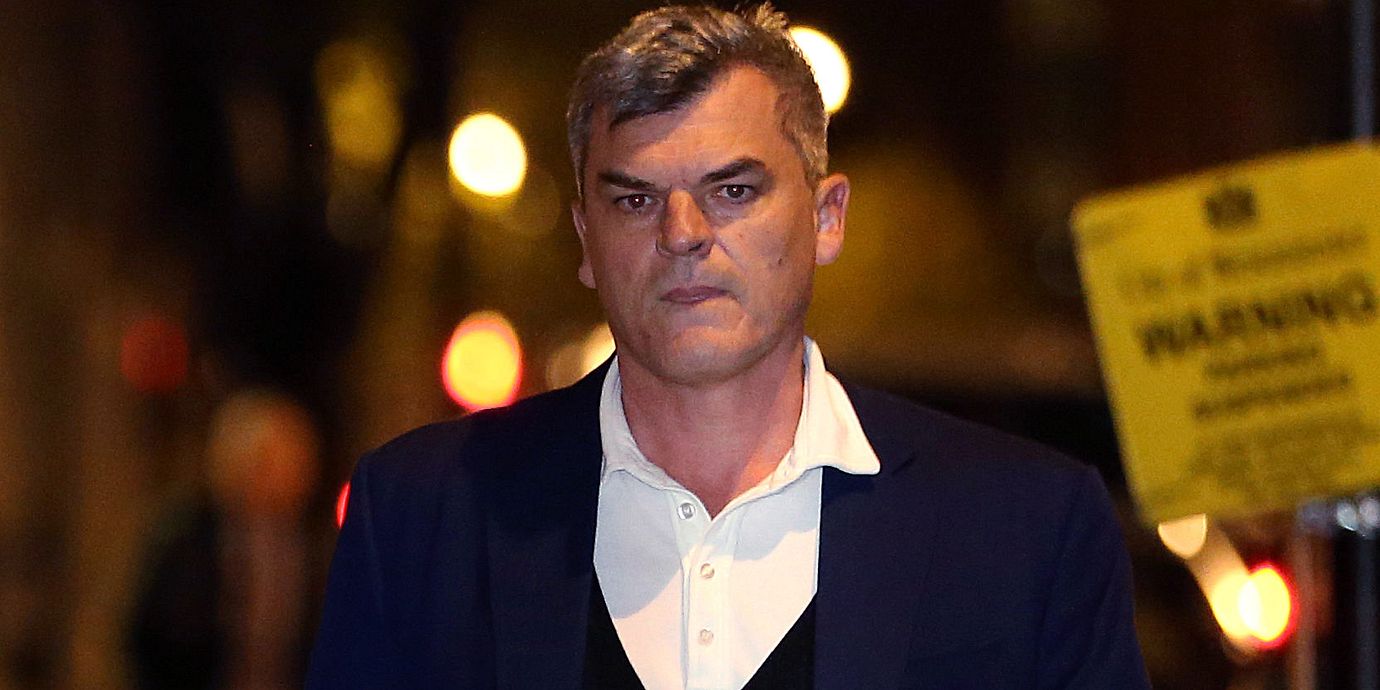
Friidrottsförbundet IAAF:s biträdande sekreterare, Nick Davies, meddelade i dag att han tar en paus från sitt arbete inom förbundet, i väntan på att det etiska kommittén ska utreda hans eventuella inblandning i den dopningshärva som rullat upp den senaste tiden. Det skriver TT.
Enligt The Guardian ska kommittén granska en mejlkonversation som Davies haft inför VM i Moskva 2013. I mejlen har han bland annat skrivit att eventuella ryska idrottare som fastnat i dopningskontrollerna skulle offentliggöras först efter mästerskapet.
bakgrund
International Association of Athletics Federations, IAAF
Wikipedia (en)
The International Association of Athletics Federations (IAAF) is the international governing body for the sport of athletics. It was founded on 17 July 1912 as the International Amateur Athletics Federation by representatives from 17 national athletics federations at the organization's first congress in Stockholm, Sweden. Since October 1993, it has been headquartered in Monaco.
Beginning in 1982, the IAAF passed several amendments to its rules to allow athletes to receive compensation for participating in international competitions. However, the organization retained the word amateur in its name until its 2001 congress, at which it changed its name to International Association of Athletics Federations.
The IAAF's president is Sebastian Coe of the United Kingdom. He was elected at the 2015 congress before the 2015 World Championships in Athletics in Beijing, China.
In 2015, a whistleblower leaked IAAF's blood test records from major competitions. The records revealed that, between 2001 and 2012, athletes with suspicious drug test results won a third of the medals in endurance events at the Olympics and World Championships—a total of 146 medals including 55 golds—but the IAAF caught none of them. After reviewing the results, Robin Parisotto, a scientist and leading "anti-doping" expert, said, "Never have I seen such an alarmingly abnormal set of blood values. So many athletes appear to have doped with impunity, and it is damning that the IAAF appears to have idly sat by and let this happen." Craig Reedie, president of the World Anti-Doping Agency (Wada), said his organisation was "very disturbed by these new allegations ... which will, once again, shake the foundation of clean athletes worldwide", and that its "independent commission will investigate the claims".
Around the same time, the University of Tübingen in Germany claimed that the IAAF suppressed publication of a 2011 report in which "[h]undreds of athletes", as many as a third of the world's top athletes, "admitted violating anti-doping rules".
On 1 November 2015, former IAAF president Lamine Diack was arrested in France and is under investigation on suspicion of corruption and money laundering. Diack allegedly accepted "$1.2 million from the Russian athletics federation to cover up the positive doping tests of at least six Russian athletes in 2011."
In November 2015, Wada published its report, which found "systemic failures" in the IAAF had prevented an "effective" anti-doping programme and concluded that Russia should be banned from competing in international competitions because of its athletes' test results.
Omni är politiskt obundna och oberoende. Vi strävar efter att ge fler perspektiv på nyheterna. Har du frågor eller synpunkter kring vår rapportering? Kontakta redaktionen