IAEA: Tjornobyls sarkofag stoppar inte radioaktivitet
Sarkofagen över kärnkraftverket i Tjornobyl blockerar inte längre all radioaktivitet, varnar FN:s atomorgan IAEA, enligt The Guardian.
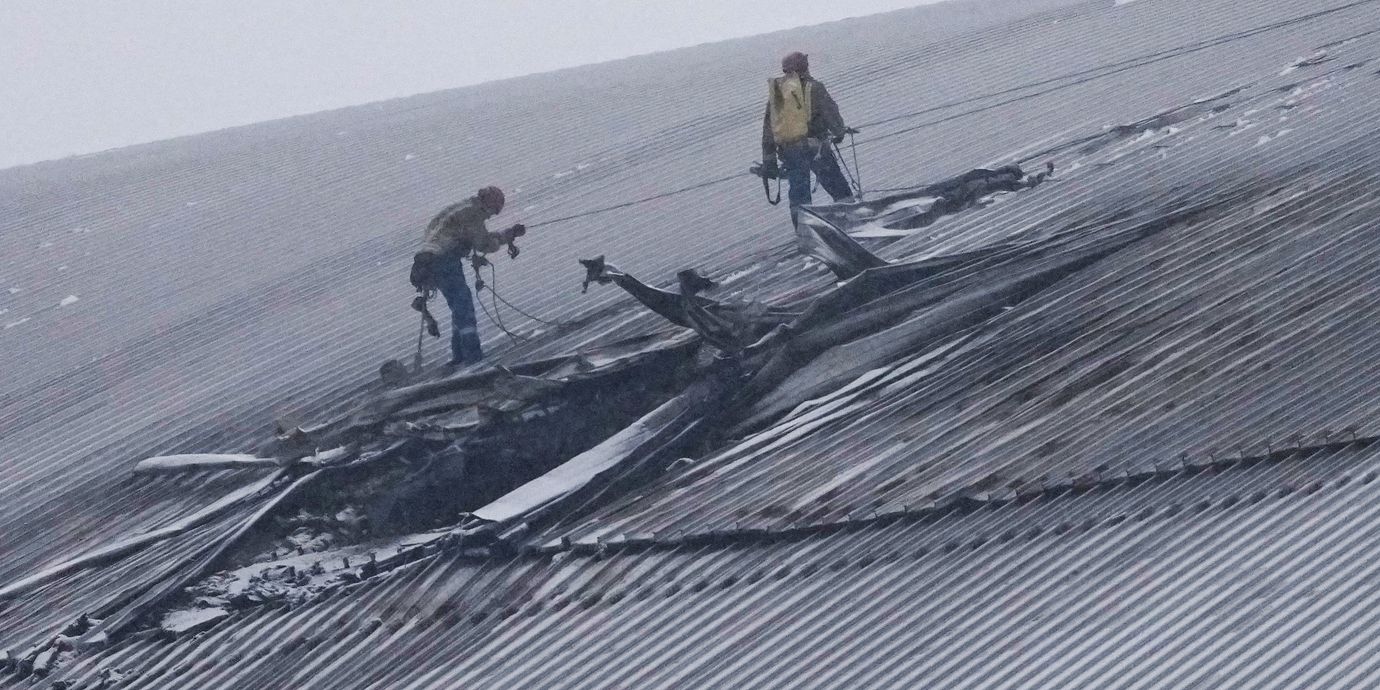
Skyddshöljet skadades i februari i år när det träffades av en drönare, vilket orsakade ett hål i konstruktionen. Vid en inspektion förra veckan konstaterades att drönarattacken försämrat strukturen så pass mycket att den har förlorat sin grundläggande skyddsfunktion.
IAEA:s direktör Rafael Grossi uppger att vissa reparationer har genomförts, men att betydligt mer omfattande restaureringsarbete krävs för att förhindra att sarkofagen fortsätter att försvagas.
bakgrund
Sarkofagen över Tjornobyl (engelska)
Wikipedia (en)
The Chernobyl Nuclear Power Plant sarcophagus or Shelter Structure (Ukrainian: Об'єкт "Укриття", romanized: Ob'yekt "Ukryttya", Russian: Объект «Укрытие», romanized: Ob"yekt «Ukrytiye») is a massive steel and concrete structure covering the nuclear reactor number 4 building of the Chernobyl Nuclear Power Plant. Built in the aftermath of the 1986 Chernobyl disaster, the sarcophagus was designed to limit radioactive contamination of the environment by encasing the most dangerous area and protecting it from climate exposure. The sarcophagus locked in an estimated 200 tons of radioactive lava-like corium, 30 tons of highly contaminated dust and 16 tons of uranium and plutonium.
Structurally, the sarcophagus is largely supported by the damaged reactor building. By 1996, the structure had deteriorated to the point where numerous stabilization measures were required. Internal radiation levels were estimated to be as high as 10000 röntgens per hour in certain areas (normal background radiation in cities is usually around 20–50 microröntgens per hour, and a lethal dose is 500 röntgens over 5 hours). By 2017, the sarcophagus was surrounded by the New Safe Confinement structure, which is designed to protect the environment while the sarcophagus undergoes demolition and the nuclear cleanup continues. The reactor site is located within a large restricted area known as the Chernobyl Exclusion Zone.
The original Soviet-era Russian name is Объект «Укрытие» (Obyekt Ukrytiye), which means sheltering or covering, as opposed to sarcophagus.
Omni är politiskt obundna och oberoende. Vi strävar efter att ge fler perspektiv på nyheterna. Har du frågor eller synpunkter kring vår rapportering? Kontakta redaktionen