Lankesiska elefanter dör efter att ha ätit plast
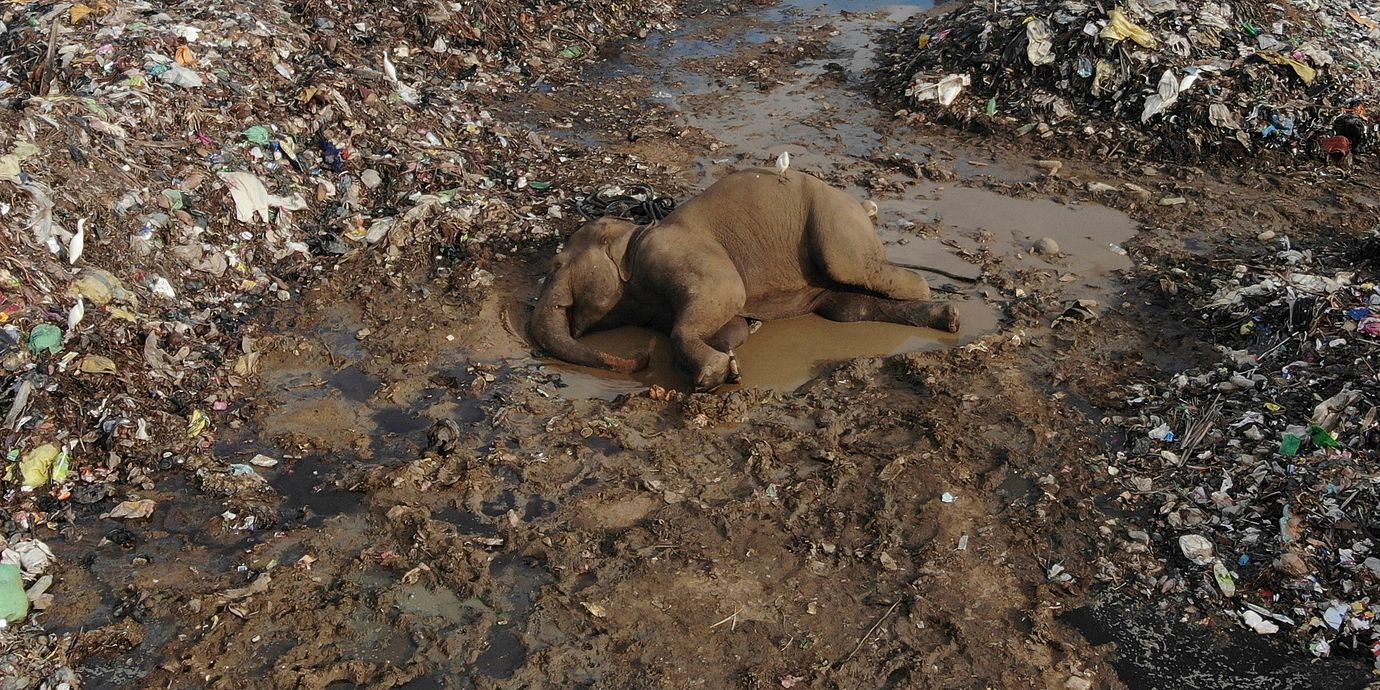
Flera veterinärer i Sri Lanka slår larm om att plastskräp hotar den lankesiska elefanten, efter att två elefanter hittats döda i helgen. Det rapporterar AP.
Elefanterna hittades i byn Pallakkadu, drygt 20 mil från huvudstaden Colombo. De tros ha ätit plast från en närliggande soptipp.
– När vi obducerade elefanterna kunde vi bara hitta polyten, plastförpackningar, annan plast och vatten. Vi hittade ingen mat som elefanter vanligtvis äter, säger veterinären Nihal Pushpakumara till nyhetsbyrån.
De senaste åtta åren har 20 elefanter i regionen dött efter att ha ätit plastsopor.
bakgrund
Lankesisk elefant
Wikipedia (en)
The Sri Lankan elephant (Elephas maximus maximus) is one of three recognised subspecies of the Asian elephant, and native to Sri Lanka. Since 1986, Elephas maximus has been listed as endangered by IUCN as the population has declined by at least 50% over the last three generations, estimated to be 60–75 years. The species is primarily threatened by habitat loss, degradation and fragmentation.Elephas maximus maximus is the type subspecies of the Asian elephant, first described by Carl Linnaeus under the binominal Elephas maximus in 1758.The Sri Lankan elephant population is now largely restricted to the dry zone in the north, east and southeast of Sri Lanka. Elephants are present in Udawalawe National Park, Yala National Park, Lunugamvehera National Park, Wilpattu National Park and Minneriya National Park but also live outside protected areas. It is estimated that Sri Lanka has the highest density of elephants in Asia. Human-elephant conflict is increasing due to conversion of elephant habitat to settlements and permanent cultivation.
Omni är politiskt obundna och oberoende. Vi strävar efter att ge fler perspektiv på nyheterna. Har du frågor eller synpunkter kring vår rapportering? Kontakta redaktionen