Hem
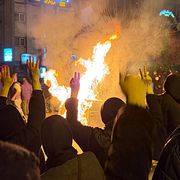
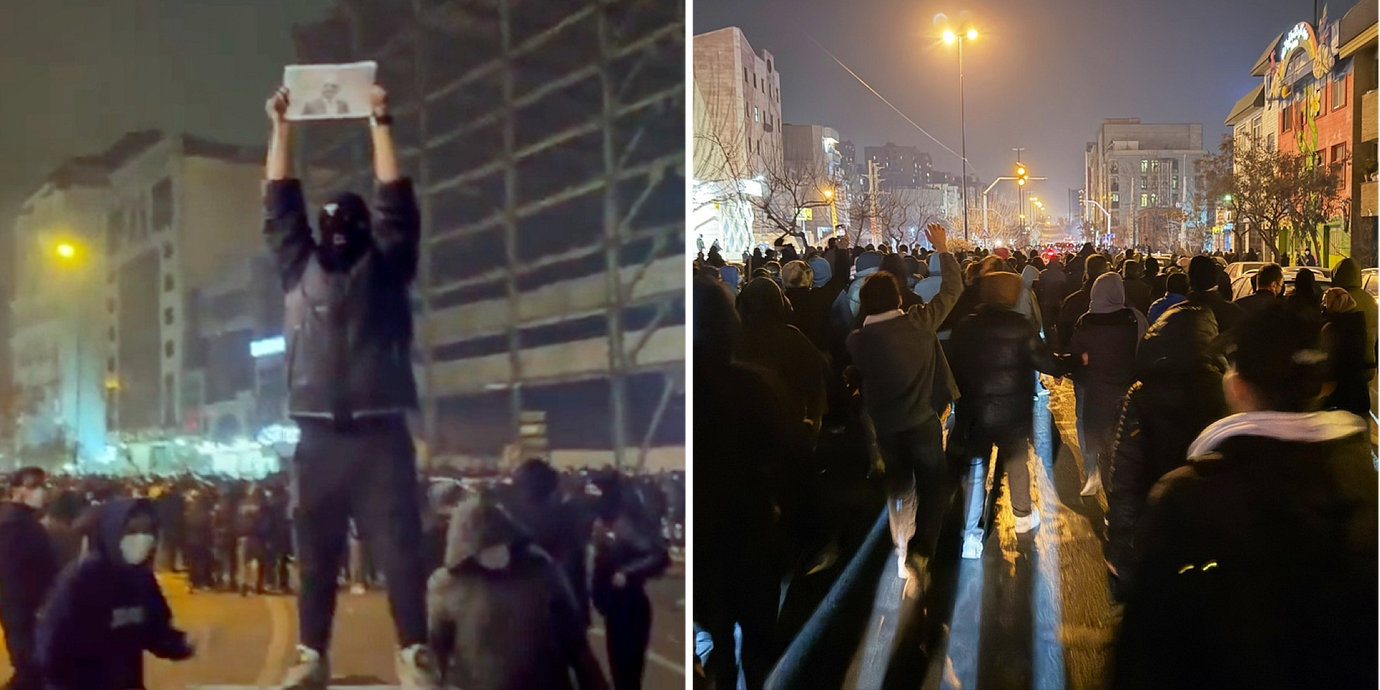
Demonstranter i Teheran. (AP)

Nya bilder och vittnesmål från Iran: ”Såg hundra pojkar skjutna i huvudet”

The Guardian har publicerat nya vittnesmål och bilder från vinterns blodiga protester i Iran, då tiotusentals demonstranter tros ha mördats av regimen medan internet var nedsläckt.

23-årige Milad berättar om hur han och hans vän gav sig ut på Teherans gator den 8 januari, rusiga av tanken på revolution mot regimen. I början sköt den statliga milisen Basij bara tårgas mot dem – sedan åkte AK47:orna fram.

– Två tjejer knackade på vårt bilfönster och sa ”snälla släpp in oss, de dödar alla”. En av dem bröt ihop när hon kom in i bilen. ”De dödade fyra killar framför mina ögon”, sa hon.

När 40-årige Hamid kom till sjukhuset för att hitta sitt syskonbarns kropp såg han hundratals kroppar staplade på varandra.

– Jag såg en sexårig flicka och en 70-årig man. Jag såg hundra pojkar som inte ens fått mustaschfjun än. De hade alla skjutits i halsen, huvudet och ögonen.

Protesterna Iran – det gäller saken

  • Protesterna i Iran inleddes i slutet av december efter en valutakollaps och snabbt stigande levnadskostnader, och spreds snabbt till minst 17 av landets 31 provinser.
  • Säkerhetsstyrkor svarade med omfattande våld, inklusive skarp ammunition, massgripanden och nedstängning av internet, vilket försvårade oberoende rapportering om dödstal och övergrepp.
  • Oberoende människorättsorganisationer har bekräftat över 6 000 döda, medan vissa källor och vittnesmål uppskattar att tiotusentals kan ha dödats, särskilt under dagarna 8–9 januari.
  • EU beslutade den 29 januari att terrorstämpla Irans revolutionsgarde och införa nya sanktioner mot landet, vilket möttes av kraftiga protester från den iranska regimen.
  • USA och flera andra länder övervägde militära och diplomatiska åtgärder, men avstod från direkt ingripande; samtidigt smugglades tusentals Starlink-terminaler in för att ge internetåtkomst till aktivister.

bakgrund
 
Protesterna i Iran
Wikipedia (en)
Beginning on 28 December 2025, demonstrations erupted across multiple cities in Iran, amid nationwide unrest against the Iranian government and a deepening economic crisis. This event has been the largest uprising since the 1979 Islamic Revolution. The ensuing crackdown, carried out under Ali Khamenei's and senior officials' order for live fire on protesters, resulted in massacres that left tens of thousands of protesters dead, making them the largest massacres in modern Iranian history. Initially sparked by frustration over record-high inflation, food prices, and currency depreciation, the protests quickly evolved into a broader movement demanding an end to the Islamic government. Beginning with the bazaari (shopkeepers and merchants) in Tehran's Grand Bazaar and later university students, the demonstrations soon spread to other major cities and small settlements. Protesters chanted anti-government slogans, and attacked symbols of the government and the Islamic Revolutionary Guard Corps (IRGC). Although largely leaderless, the protests escalated on 8 January following a call for unified protests by Reza Pahlavi, the son of Iran's last shah. On 8 January, 1.5 million protesters came out to the streets of Tehran and, by 9 January 5 million protesters came out nationwide according to an unnamed European diplomat based on intelligence. Pahlavi has called for a peaceful transition and a referendum to decide Iran's future political system. The Iranian government has cut off Internet access and telephone services in an attempt to prevent protesters from organising. It has accused the United States and Israel of fuelling the protests, which analysts suggest may be a tactic to increase security forces' willingness to kill protesters. By 9 January, millions had taken to the streets in protests across all 31 provinces. Amid the internet blackout, Iranian security forces escalated their use of live ammunition against demonstrators. Hospitals in Tehran and Shiraz were reported to be overwhelmed by injured protesters, many suffering gunshot wounds. Iran's foreign ministry spokesperson confirmed security forces fired on protesters, raising international concern over human rights. In addition, thousands were arrested during the violent crackdown. Despite the blackout, on 10 January 2026, The Guardian documented multiple reports of security forces opening fire on demonstrations, with one eyewitness stating they saw "hundreds of bodies" across Tehran. By late January, Time, The Guardian and Iran International reported that between 30,000 and 36,500 protesters were killed during 8–9 January. As of 5 February 2026, the US-based Human Rights Activists News Agency (HRANA) had documented a total of 18,694 cases, including 6,964 confirmed deaths, of whom at least 6,473 were protesters, with 11,730 additional cases under review. On 11 February, President Pezeshkian apologized to the nation for the crackdown of the protests.
Omni är politiskt obundna och oberoende. Vi strävar efter att ge fler perspektiv på nyheterna. Har du frågor eller synpunkter kring vår rapportering? Kontakta redaktionen