Ofta allvarliga påföljder när diplomater attackeras
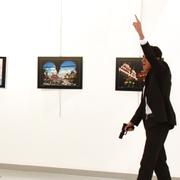
Mordet på den ryska ambassadören Andrej Karlov har väckt starka reaktioner. Vilka konsekvenserna blir är ännu oklart men historiskt sett har våldsdåd riktade mot diplomater fått stora påföljder, skriver Washington Post.
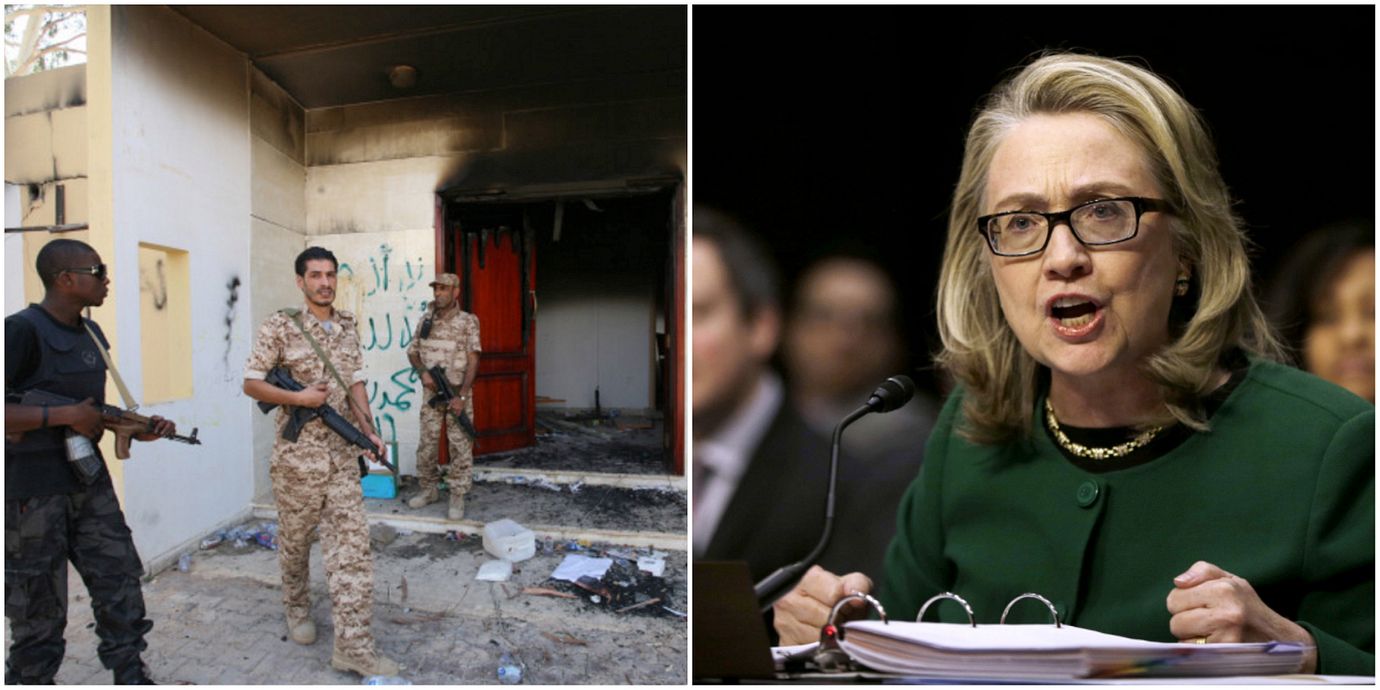
Ett av de senaste fallen inträffade i september 2012 när en amerikansk diplomat dödades i Benghazi, Libyen – en händelse som dåvarande utrikesminister Hillary Clinton fått skarp kritik för.
Den senaste gången en rysk diplomat dödades var 1985 under kulmen för det som blivit känt som gisslankrisen i Libanon. Då togs fyra sovjetiska diplomater och ambassadanställda som gisslan. En av dem, Arkady Katkov, sköts senare till döds.
bakgrund
Gisslankrisen i Libanon
Wikipedia (sv)
Gisslankrisen i Libanon hänvisar till den systematiska kidnappningen i Libanon av 96 utländska gisslan av 21 med nationellt ursprung - mestadels amerikaner och västeuropéer - mellan 1982 och 1992. Minst åtta gisslan dog i fångenskap: några mördades, medan andra dog av sjukdomar i brist på adekvat medicinsk vård.
De som tog ansvar för kidnappningen använde olika namn, men vittnesmål från före detta gisslan visar att nästan alla "grupper" var faktiskt en grupp av "ett dussin män" som kom "från olika ... klaner" i Hizbollahs organisation, "främst Mughniyya- och Hamadiklanerna". Särskilt viktig i organisationen var "mästerterroristen" Imad Mughniyeh. Hizbollah har offentligt förnekat inblandning. Det är också allmänt trott att den islamiska republiken Iran - och i mindre utsträckning Syrien - spelade en viktig roll i kidnappningarna, om det i själva verket inte var anstiftare av dem.
Den ursprungliga orsaken till gisslantagningen tycks ha varit "som en försäkring mot vedergällning av USA, Syrien eller någon annan styrka" mot Hizbollah, som tros var ansvarig för dödandet av 230 amerikaner och 58 fransmän i marinkårens baracker och ambassadbombningen i Beirut. Andra orsaker till kidnappningarna eller långvarigt innehav av gisslan tros vara "huvudsakligen baserad på iranska utrikespolitiska beräkningar och intressen", särskilt utvinning av "politiska, militära och ekonomiska eftergifter från västvärlden", då gisslantagarna var starkt allierade med Islamiska republiken Iran.
De strama säkerhetsåtgärderna som vidtogs av gisslantagarna lyckades förhindra räddningarna av alla utom en handfull gisslan, och detta tillsammans med offentliga påtryckningar från media och familjer till gisslan ledde till en uppdelning av antiterrorismprincipen "inga förhandlingar, inga eftergifter" av amerikanska och franska tjänstemän. I USA förhandlade Reagan-administrationen fram ett hemligt och olagligt 'vapen-för-gisslan'-byte med Iran i det som kom att kallas Iran-Contras-affären.
Gisslankrisen slutade med behovet av västerländskt bistånd och investeringar av Syrien och Iran efter utgången av Iran–Irak-kriget och Sovjetunionens fall, och med löften till Hizbollah att det kunde förbli beväpnade efter utgången av det libanesiska inbördeskriget och att Frankrike och USA inte skulle söka hämnd mot dem.
bakgrund
Attacken i Benghazi
Wikipedia (en)
The 2012 Benghazi attack that September was coordinated against two United States government facilities in Benghazi, Libya by members of the Islamic militant group Ansar al-Sharia.
At 9:40 PM, September 11, members of Ansar al-Sharia attacked the American diplomatic compound in Benghazi resulting in the deaths of U.S. Ambassador to Libya J. Christopher Stevens and U.S. Foreign Service Information Management Officer Sean Smith. Stevens was the first U.S. ambassador killed in the line of duty since 1979.
At around 4:00 AM on September 12, the group launched a mortar attack against a CIA annex approximately one mile (1.6 km) away, killing CIA contractors Tyrone S. Woods and Glen Doherty and wounding ten others. At the behest of the CIA, top U.S. officials initially described the attacks as the results of a spontaneous protest triggered by recently released anti-Muslim video, Innocence of Muslims. Subsequent investigations showed that the attack was premeditated – although rioters and looters not acting with the group may have later joined in after the attacks begun.
The National Review later labeled the attack Battle of Benghazi, a name that has since been used to refer to the attacks by several media outlets. There is no definitive evidence that al-Qaeda or any other international terrorist organization participated in the Benghazi attack. The United States immediately increased security worldwide at diplomatic and military facilities and began investigating the Benghazi attack. Many Libyans have condemned the attacks. They staged public demonstrations condemning Ansar Al-Sharia, which had been formed during the 2011 Libyan civil war in opposition to leader Colonel Muammar Gaddafi.
State Department officials were later criticized for denying requests for additional security at the consulate prior to the attack. In her role as Secretary of State, Hillary Clinton subsequently took responsibility for the security lapses. On August 6, 2013, it was reported that the U.S. had filed criminal charges against several individuals alleged to have been involved in the attacks, including militia leader Ahmed Abu Khattala. Khattala has been described by Libyan and U.S. officials as the Benghazi leader of Ansar al-Sharia. The U.S. Department of State designated Ansar al-Sharia as a terrorist organization in January 2014.
Khattala was captured in Libya by U.S. Army Special Operations Forces, who were acting in coordination with the FBI, in June 2014.
Omni är politiskt obundna och oberoende. Vi strävar efter att ge fler perspektiv på nyheterna. Har du frågor eller synpunkter kring vår rapportering? Kontakta redaktionen