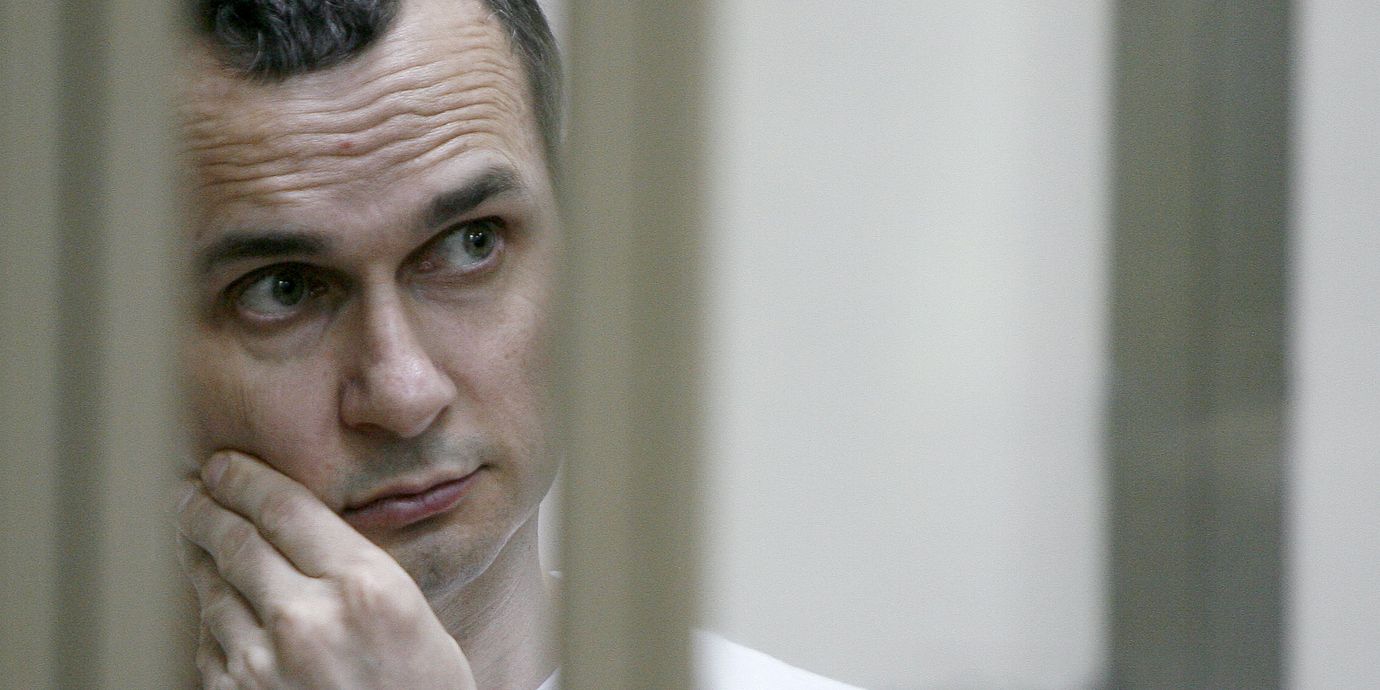
Sacharov-pris till fängslad ukrainsk filmskapare
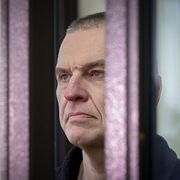
Europaparlamentets Sacharov-pris tilldelas i år den fängslade ukrainske filmregissören Oleg Sentsov, skriver flera medier.
Sentsov dömdes till 20 års fängelse i Ryssland efter att ha protesterat mot landets annektering av Krim. Tidigare i år genomförde han en 145 dagar lång hungerstrejk i fängelset, som uppges ha påverkat hans hälsa mycket negativt.
Bland finalisterna fanns även den fängslade marockanske aktivisten Nasser Zefzafi och en grupp hjälporganisationer som arbetar med att rädda migranter från att drunkna på Medelhavet.
bakgrund
Sacharov-priset delas ut av EU och belönar ”tankefrihet”
Wikipedia (en)
The Sakharov Prize for Freedom of Thought, commonly known as the Sakharov Prize, honours individuals and groups of people who have dedicated their lives to the defense of human rights and freedom of thought. Named after Russian scientist and dissident Andrei Sakharov, the prize was established in December 1988 by the European Parliament. A shortlist of nominees is drawn up annually by the Committee on Foreign Affairs and the Committee on Development, with the winner announced in October. The prize is accompanied by a monetary award of €50,000. The first prize was awarded jointly to South African Nelson Mandela and Russian Anatoly Marchenko. The 1990 award was given to Aung San Suu Kyi, but she could not receive it until 2013 as a result of her political imprisonment in Burma. The prize has also been awarded to organisations, the first being the Argentine Mothers of the Plaza de Mayo in 1992. Five Sakharov laureates were subsequently awarded the Nobel Peace Prize: Nelson Mandela, Aung San Suu Kyi, Malala Yousafzai, Denis Mukwege, and Nadia Murad.Razan Zaitouneh (2011) was kidnapped in 2013 and is still missing. Nasrin Sotoudeh (2012) was released from prison in September 2013, but is still barred from leaving Iran, along with fellow 2012 laureate Jafar Panahi. The 2017 prize was awarded to the Democratic Opposition in Venezuela, under boycott of the European United Left/Nordic Green Left.
Omni är politiskt obundna och oberoende. Vi strävar efter att ge fler perspektiv på nyheterna. Har du frågor eller synpunkter kring vår rapportering? Kontakta redaktionen