Uzbekisk exilpolitiker: Tyvärr är jag inte förvånad
Många av de starkt troende muslimer som lämnat Uzbekistan är lovligt byte för terrororganisationer och allt fler radikaliseras, skriver den uzbekiske exilpolitikern Pulatjan Ahunov på SVT Debatt.
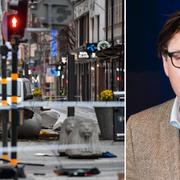
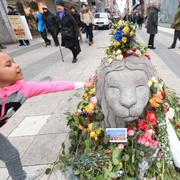
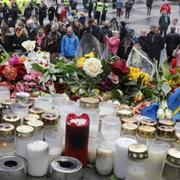
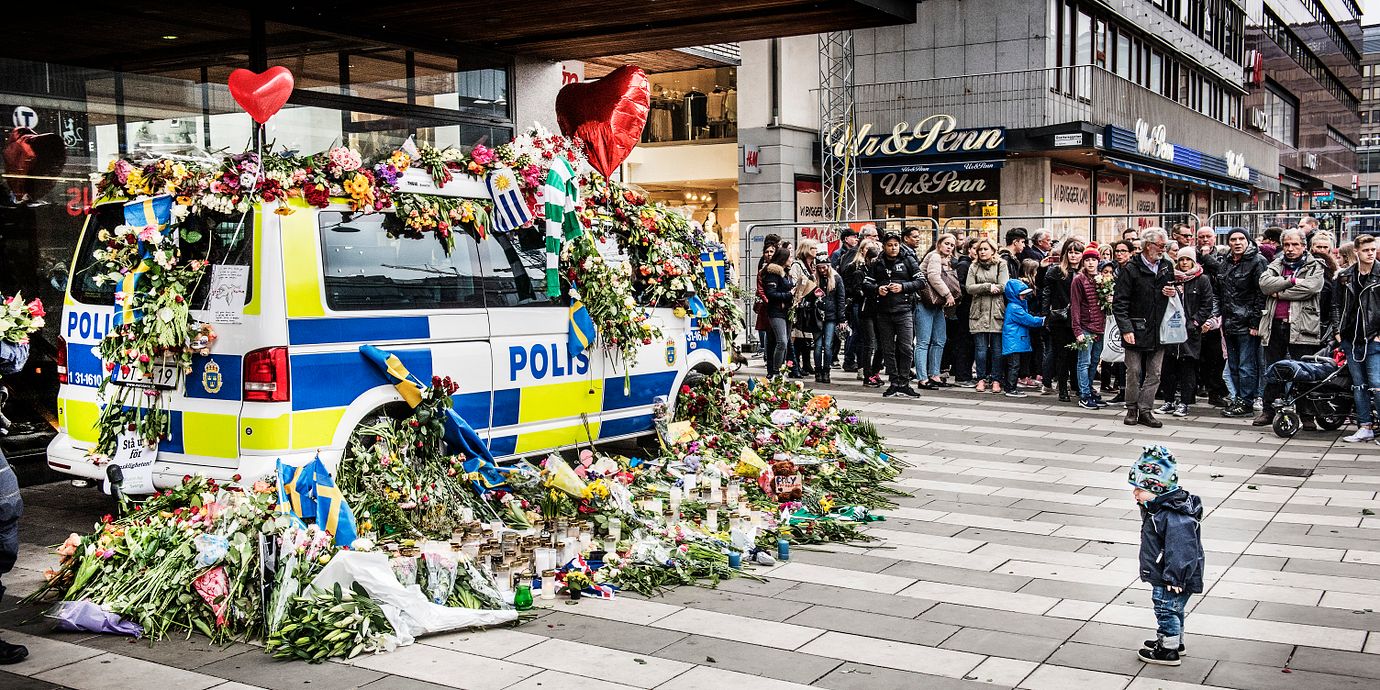
”Jag har varit orolig för den utvecklingen länge nu, därför kom det inte som en överraskning när en man från mitt hemland dök upp i utredningen kring attentatet”, skriver han.
Ahunov skriver att han drömmer om att Sverige ska bli en förebild för uzbeker.
”Men jag är också medveten om – och öppen med – att det finns uzbeker, som mottogs varmt av Sverige efter att ha utsatts för förföljelse på grund av sina religiösa åsikter, men som i dag hatar detta lands sätt att leva, dess syn på frihet och den ’jävla svenska liberalismen’”, skriver han.
Läs även
bakgrund
Uzbekistan
Wikipedia (en)
Uzbekistan (US /ʊzˈbɛkᵻˌstæn, -ˌstɑːn/, UK /ʊzˌbɛkᵻˈstɑːn, ʌz-, -ˈstæn/), officially the Republic of Uzbekistan (Uzbek: Oʻzbekiston Respublikasi, Ўзбекистон Республикаси; Russian: Республика Узбекистан), is one of only two doubly landlocked countries in the world (the other being Liechtenstein in Europe). Located in Central Asia, it is a unitary, constitutional, presidential republic, comprising twelve provinces, one autonomous republic and a capital city. Uzbekistan is bordered by five landlocked countries: Kazakhstan to the north; Tajikistan to the southeast; Kyrgyzstan to the northeast; Afghanistan to the south; and Turkmenistan to the southwest.
Once part of the Turkic Khaganate and later Timurid Empires, the region that today includes the Republic of Uzbekistan was conquered in the early 16th century by Eastern Turkic-speaking nomads. The area was gradually incorporated into the Russian Empire during the 19th century, and in 1924 what is now Uzbekistan became a bordered constituent republic of the Soviet Union, known as the Uzbek Soviet Socialist Republic (Uzbek SSR). Following the breakup of the Soviet Union, it declared independence as the Republic of Uzbekistan on 31 August 1991 (officially celebrated the following day).
Uzbekistan is officially a democratic, secular, unitary, constitutional republic with a diverse cultural heritage. The country's official language is Uzbek, a Turkic language written in the Latin alphabet and spoken natively by approximately 85% of the population; however, Russian remains in widespread use. Uzbeks constitute 81% of the population, followed by Russians (5.4%), Tajiks (4.0%), Kazakhs (3.0%), and others (6.5%). A majority of Uzbeks are non-denominational Muslims. Uzbekistan is a member of the Commonwealth of Independent States (CIS), Organization for Security and Co-operation in Europe (OSCE), UN, and the SCO. While officially a democratic republic, non-governmental human rights organizations define Uzbekistan as "an authoritarian state with limited civil rights".
Uzbekistan's economy relies mainly on commodity production, including cotton, gold, uranium, and natural gas. Despite the declared objective of transition to a market economy, its government continues to maintain economic controls which imports in favour of domestic "import substitution".
Omni är politiskt obundna och oberoende. Vi strävar efter att ge fler perspektiv på nyheterna. Har du frågor eller synpunkter kring vår rapportering? Kontakta redaktionen