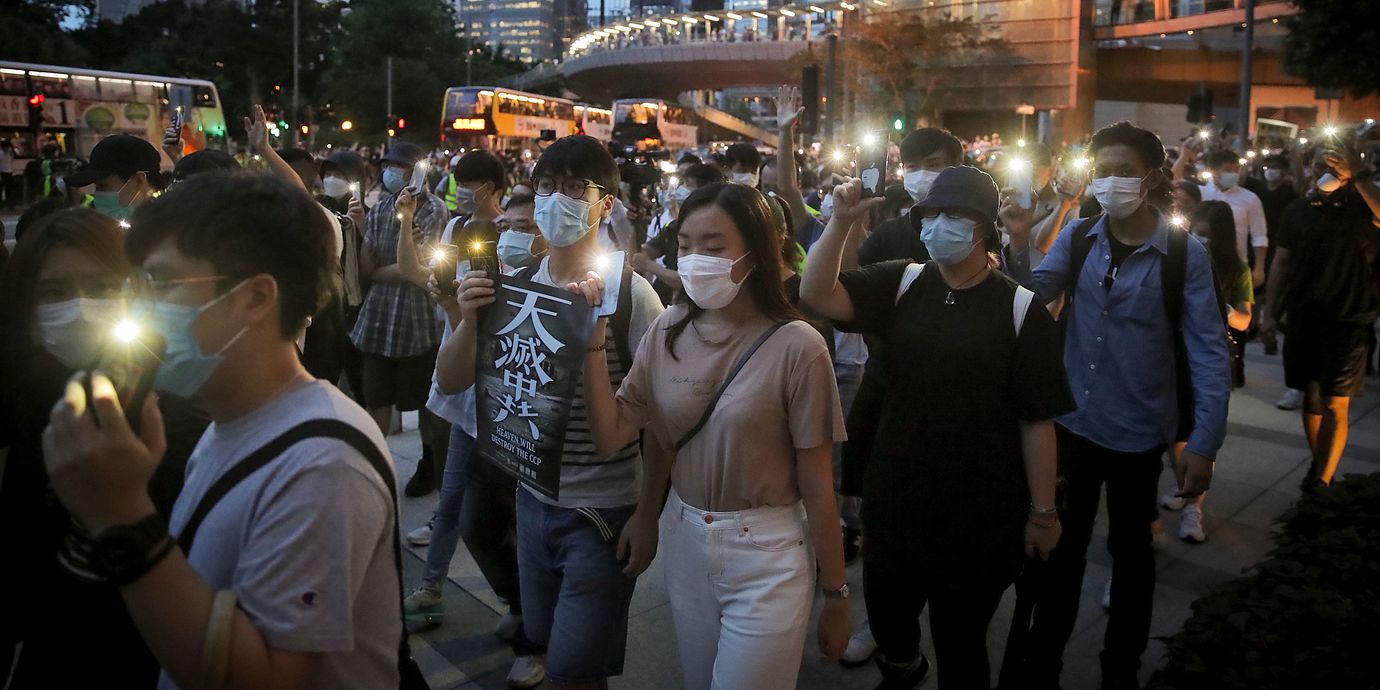
53 greps under årsdag för Hongkongprotester
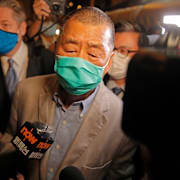
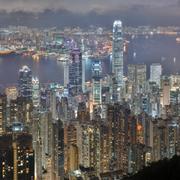
Tusentals människor demonstrerade i Hongkong på tisdagskvällen för att markera ett år av protester. Den 9 juni 2019 samlades drygt en miljon människor för att demonstrera mot ett lagförslag om utlämningar till Fastlandskina, som senare drogs tillbaka.
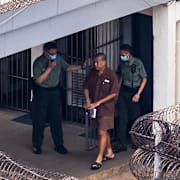
På tisdagen tog poliser till pepparspray för att skingra folksamlingar och 53 personer greps.
bakgrund
Protesterna i Hongkong
Wikipedia (en)
The ongoing 2019–20 Hong Kong protests were triggered by the introduction of the Fugitive Offenders amendment bill by the Hong Kong government. If enacted, the bill would have allowed extradition to jurisdictions with which Hong Kong does not currently have extradition agreements, including mainland China and Taiwan. This led to concerns that the bill would subject Hong Kong residents and visitors to the legal system of mainland China, thereby undermining Hong Kong's autonomy and infringing civil liberties.
Despite a demonstration attended by hundreds of thousands on 9 June 2019, the government persisted with the bill. Protesters gathered outside the Legislative Council Complex to stall the bill's second reading on 12 June, resulting in an intense standoff with the police. On 16 June, just one day after Lam suspended the bill, an even bigger protest took place to push for its complete withdrawal and in reaction to the perceived excessive use of force by the police on 12 June. As the protests progressed, protesters laid out five key demands, namely the withdrawal of the bill, an investigation into alleged police brutality and misconduct, the release of all arrested protesters, a retraction of the official characterisation of the protests as "riots", and resignation of Carrie Lam as Chief Executive along with the introduction of universal suffrage for election in the territory. Police inaction when suspected triad members assaulted protesters and commuters in Yuen Long on 21 July, the police storming of Prince Edward station on 31 August further escalated the protests.
Lam withdrew the bill on 4 September, but refused to concede the other four demands. Exactly one month later, she invoked the emergency powers to implement an anti-mask law, to counterproductive effect. Confrontations escalated and intensified. Police brutality and misconduct allegations increased, while some protesters resorted to using petrol bombs and vandalising pro-Beijing establishments and symbols representing the government. Rifts within society widened and activists from both sides assaulted each other. A number of deaths, the shooting of an unarmed protester, and the sieges of two universities in November 2019 were landmark events.
The scale of the protests subsided following the unprecedented landslide victory of the pro-democracy camp in the District Council election and the siege of the Hong Kong Polytechnic University in November, and during the COVID-19 pandemic in early 2020. During this period, the Chinese government actively interfered in Hong Kong's affairs – in May 2020, it approved a national security bill that could be imposed on Hong Kong before September. This new law, seen by many as a threat to fundamental political freedoms and civil liberties in the semi-autonomous territory, sparked further outrage and protests and prompted both the US and the UK to re-evaluate their policies towards Hong Kong as they deemed that the city was no longer autonomous.
The approval ratings of the government and the police plunged to the lowest point since the 1997 handover; the Central People's Government alleged that foreign powers were instigating the conflict, although the protests have been largely described as "leaderless". The United States passed the Hong Kong Human Rights and Democracy Act on 27 November 2019 to support the protest movement. The tactics and methods surrounding the 2019 Hong Kong protests have been cited as inspiration for other protests in 2019.
Läs mer
Omni är politiskt obundna och oberoende. Vi strävar efter att ge fler perspektiv på nyheterna. Har du frågor eller synpunkter kring vår rapportering? Kontakta redaktionen