Rekordböter för ”svarta pooler”
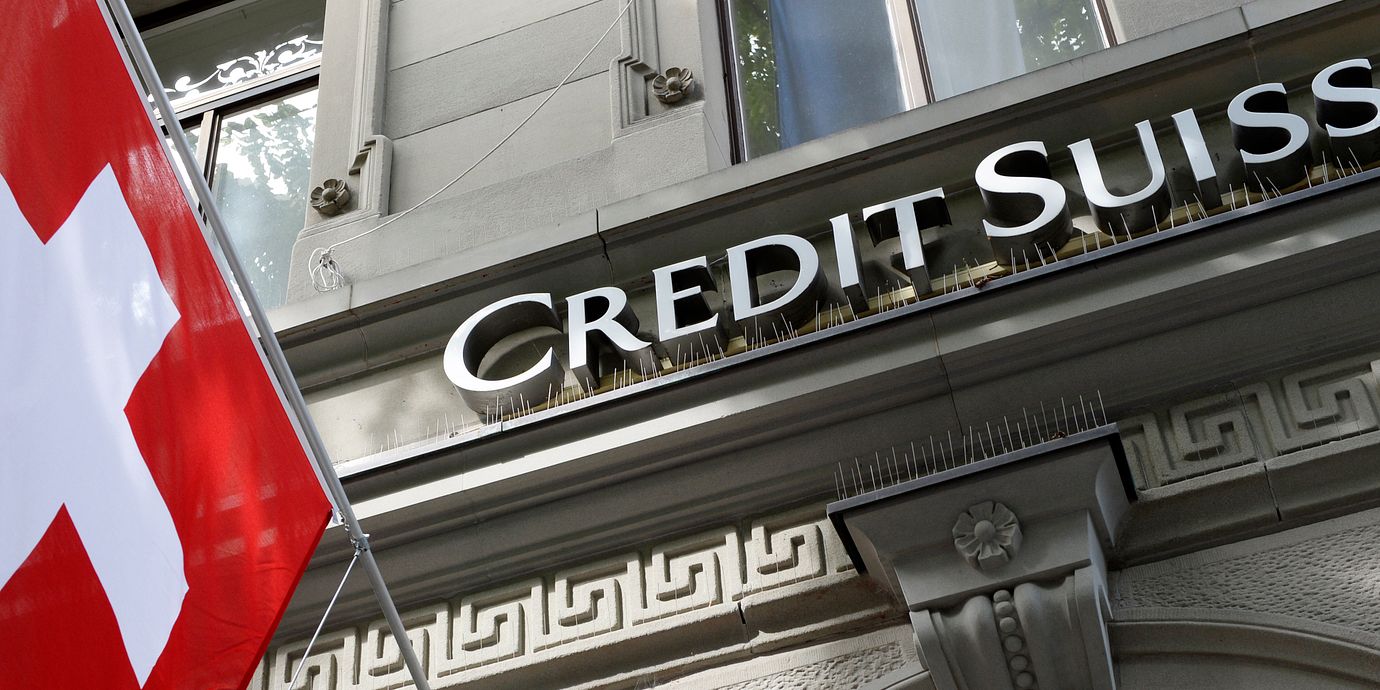
Barclays och Credit Suisse har anklagats för att vid handel ha vilselett kunder med elektroniska ”svarta pooler”, där investerare kan mötas utan att positioner och motpartens id röjs. Nu har storbankerna gått med på att betala rekordsumman 1,3 miljarder kronor till amerikanska myndigheter i en uppgörelse.
Barclays medger lagbrott och ska betala motsvarande 600 miljoner kronor i böter, som delas lika mellan USA:s finansinspektion och delstaten New York.
bakgrund
Svarta pooler
Wikipedia (en)
In finance, a dark pool (also black pool) is a private forum for trading securities. Liquidity on these markets is called dark pool liquidity. The bulk of dark pool trades represent large trades by financial institutions that are offered away from public exchanges like the New York Stock Exchange and the NASDAQ, so that such trades remain confidential and outside the purview of the general investing public. The fragmentation of financial trading venues and electronic trading has allowed dark pools to be created, and they are normally accessed through crossing networks or directly among market participants via private contractual arrangements. Some dark pools are available to the public and can be accessed via retail brokers.
One of the main advantages for institutional investors in using dark pools is for buying or selling large blocks of securities without showing their hand to others and thus avoiding market impact as neither the size of the trade nor the identity are revealed until the trade is filled. However, it also means that some market participants are disadvantaged as they cannot see the trades before they are executed; prices are agreed upon by participants in the dark pools, so the market becomes no longer transparent.
Three major types of dark pools exist:
independent companies set up to offer a unique differentiated basis for trading
broker-owned dark pools where clients of the broker interact, most commonly with other clients of the broker (possibly including its own proprietary traders) in conditions of anonymity
some public exchanges set up their own dark pools to allow their clients the benefits of anonymity and non-display of orders while offering an exchange "infrastructure"
Depending on the precise way in which a "dark" pool operates and interacts with other venues, it may be considered, and indeed referred to by some vendors, as a "grey" pool.
These systems and strategies typically seek liquidity among open and closed trading venues, such as other alternative trading systems. As such, they are particularly useful for GPU-based algorithmic strategies. Dark pools have grown in importance since 2007, with dozens of different pools garnering a substantial portion of U.S. equity trading. Dark pools are of various types and can execute trades in multiple ways, such as through negotiation or automatically (e.g., midpoint crosses, staggered crosses, VWAP, etc.), throughout the day or at scheduled times.
Omni är politiskt obundna och oberoende. Vi strävar efter att ge fler perspektiv på nyheterna. Har du frågor eller synpunkter kring vår rapportering? Kontakta redaktionen