bakgrund
Migrationskrisen i Europa
Wikipedia (en)
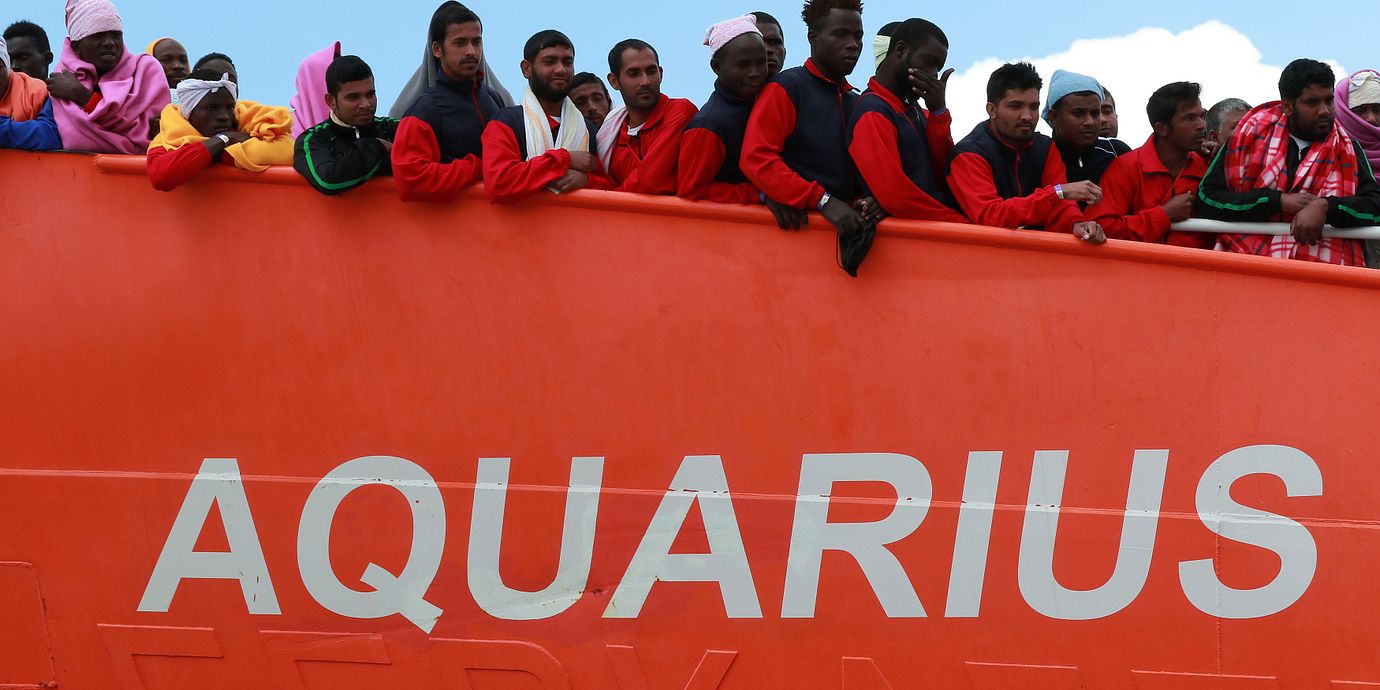
The European migrant crisis, or the European refugee crisis, is a term given to a period beginning in 2015 when rising numbers of people arrived in the European Union (EU), travelling across the Mediterranean Sea or overland through Southeast Europe. These people included asylum seekers, but also others, such as economic migrants, and a small number of hostile agents including "Islamic State militants" according to some intelligence agencies.
Most of the unauthorised foreign migrants came from Muslim-majority countries of regions south and east of Europe, including Western Asia, South Asia and Africa. By religious affiliation, the majority of entrants were Muslim (usually Sunni Muslim), with a small component of non-Muslim minorities (including Yazidis, Assyrians, Mandeans, etc.). According to the United Nations High Commissioner for Refugees, the top three nationalities of entrants of the over one million Mediterranean Sea arrivals between January 2015 and March 2016 were Syrian (46.7%), Afghan (20.9%) and Iraqi (9.4%).
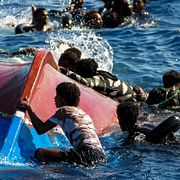
Of the unauthorised entrants arriving in Europe by sea in 2015, 58% were adult males over 18 years of age, 17% were adult females over 18 years of age and 25% were minors under 18 years of age. The number of deaths at sea rose to record levels in April 2015, when five boats carrying almost 2,000 migrants to Europe sank in the Mediterranean Sea, with a combined death toll estimated at more than 1,200 people. The shipwrecks took place in a context of ongoing conflicts and refugee crises in several Asian and African countries, which increased the total number of forcibly displaced people worldwide at the end of 2014 to almost 60 million, the highest level since World War II.
Amid an upsurge in the number of sea arrivals in Italy from Libya in 2014, several European Union governments refused to fund the Italian-run rescue option Operation Mare Nostrum, which was replaced by Frontex's Operation Triton in November 2014. In the first six months of 2015, Greece overtook Italy as the first EU country of arrival, becoming, in the summer 2015, the starting point of a flow of refugees and migrants moving through Balkan countries to northern European countries, mainly Germany and Sweden.
Since April 2015 the European Union has struggled to cope with the crisis, increasing funding for border patrol operations in the Mediterranean, devising plans to fight migrant smuggling, launching Operation Sophia and proposing a new quota system both to relocate asylum seekers among EU states for processing of refugee claims to alleviate the burden on countries on the outer borders of the Union, and to resettle asylum-seekers who have been determined to be genuine refugees. Individual countries have at times reintroduced border controls within the Schengen Area, and rifts have emerged between countries willing to allow entry of asylum-seekers for processing of refugee claims and others countries trying to discourage their entry for processing.
According to Eurostat, EU member states received over 1.2 million first-time asylum applications in 2015, more than double that of the previous year. Four states (Germany, Hungary, Sweden and Austria) received around two-thirds of the EU's asylum applications in 2015, with Hungary, Sweden and Austria being the top recipients of asylum applications per capita.