Borgerliga och socialister i samtal om koalition
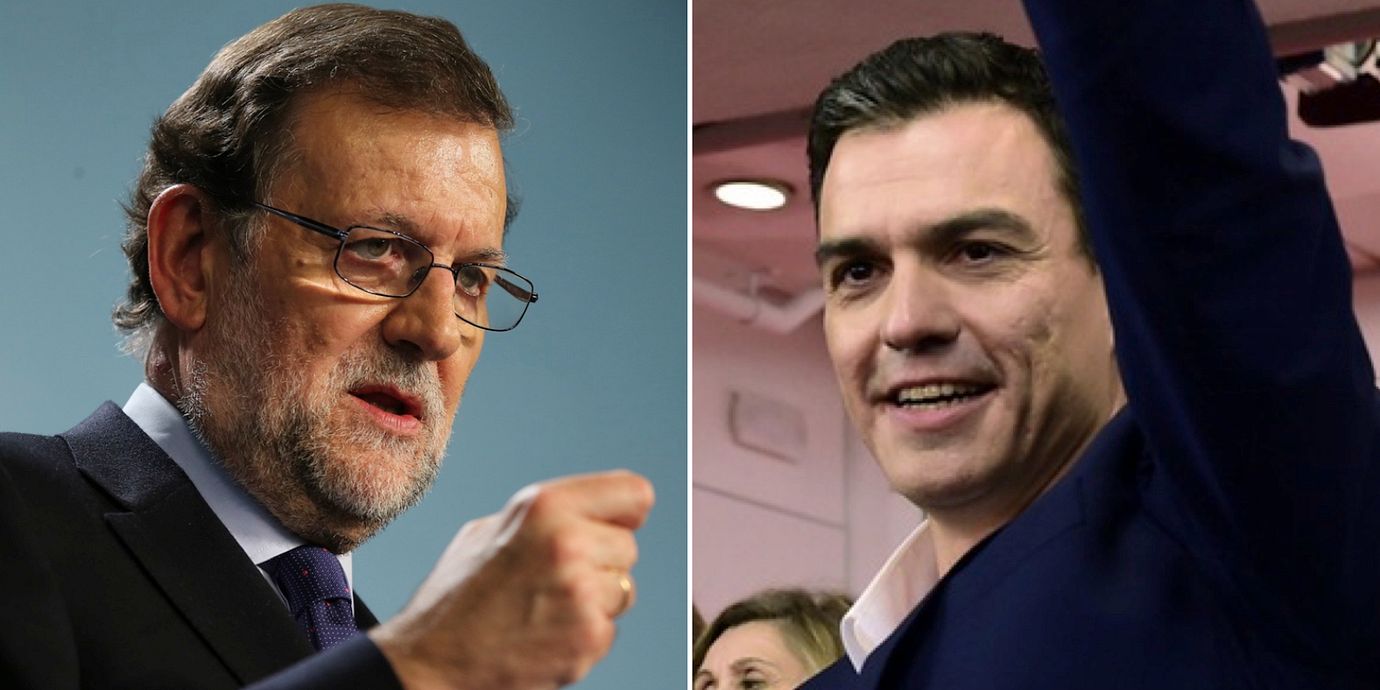
Spaniens kristet konservativa regeringsparti Partido Popular inleder samtal om en möjlig regeringskoalition med socialistpartiet PSOE, rapporterar AFP.
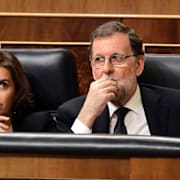
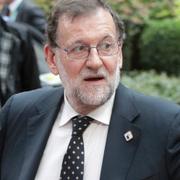
Spaniens sittande premiärminister Mariano Rajoy kämpar för att kunna bilda en ny regering, efter att de blev största parti i helgens parlamentsval med endast 28,7 procent av rösterna. PSOE är landets näst största parti, med 22 procent av väljarnas stöd.
bakgrund
Parlamentsvalet 2015
Wikipedia (en)
The 2015 Spanish general election was held on Sunday, 20 December 2015, to elect the 11th Cortes Generales of the Kingdom of Spain. At stake were 350 seats in the Congress of Deputies and 208 of 266 seats in the Senate. Being held 4 years and 1 month after the 2011 general election, this was the longest time-span between two general elections since the Spanish transition to democracy.
The ruling People's Party (PP), led by Prime Minister Mariano Rajoy, sought re-election for a second term in office, while the Spanish Socialist Workers' Party (PSOE) attempted to return to power after 4 years in opposition. Newer parties Podemos (Spanish for "We can") and Citizens (C's), which won seats in the 2015 regional elections and already had regionally appointed representatives in the Senate, won their first Congress seats.
After the 2015 Spanish municipal and regional elections, once it was confirmed in June 2015 that the 2016 Budget would be passed into law before the Cortes' dissolution, it was strongly implied that election day would have to be delayed until December to allow for completion of the budgetary parliamentary procedure, with 13 and 20 December being chosen as the most likely days. During an interview on 1 October, Rajoy announced that the election would be held on 20 December, the latest possible legal date to hold it.
The PP emerged as the largest party overall, despite suffering the largest loss of support for a sitting government since 1982, with a net loss of 64 seats and 16 percentage points. The opposition PSOE scored a new low, losing 20 seats and obtaining fewer than 100 seats for the first time in recent history. Podemos ranked third, scoring a surprisingly strong result compared with the final pre-election opinion polls, with over 5 million votes, 20% of the share, 69 seats and just 300,000 votes and 1.3 points behind the PSOE. Podemos's result allowed it to replace the PSOE as the main left-wing force in 8 out of 17 autonomous communities, as well as becoming the largest political force in Catalonia and the Basque Country. C's, which pre-election polls predicted could end up close to the PSOE or even replace it as the second-largest political force of the country, scored a disappointing fourth place, with 3.5 million votes and 40 seats, far below expectations.
The election resulted in the most fragmented parliament ever, with the most-voted party winning with just 123 seats (compared to the 156 of the previous worst result for a first party, in 1996) and a third party obtaining an unprecedented 69 seat-count (the previous record was set at 23 in 1977). Mariano Rajoy announced his intention to try to form a stable government "in the general interest of all Spaniards", but this would require either the support or abstention of PSOE, as it was unable to form a majority with ideologically-close C's. An alternative left-wing coalition formed by PSOE and Podemos would also fail to gather enough votes to form a government of their own.
Omni är politiskt obundna och oberoende. Vi strävar efter att ge fler perspektiv på nyheterna. Har du frågor eller synpunkter kring vår rapportering? Kontakta redaktionen