Oerfarna japanska företag ska avveckla Fukushima
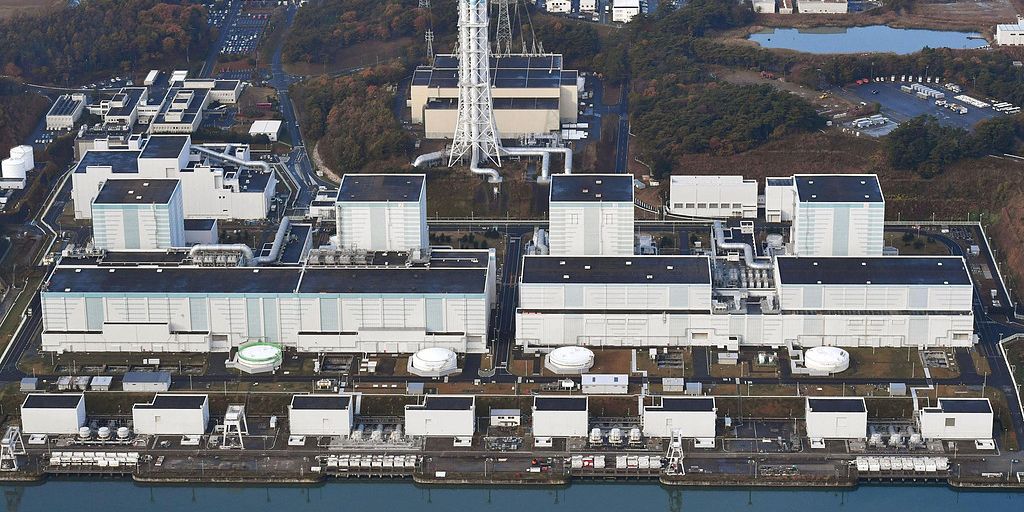
Kontrakten på närmare 630 miljarder kronor för att sanera kärnkraftverket i Fukushima som slogs ut av en tsunami 2011 har till stor del gått till lokala entreprenörer, skriver Bloomberg. Detta trots att landet aldrig har avvecklat ett kommersiellt kärnkraftverk förut och att det globalt finns många företag med långvarig expertis på området.
Experten Lake Barrett menar att det finns ett kulturellt motstånd i landet att släppa in utomstående företag.
– Jag hoppas att det japanska systemet för att kontraktera förbättras så att det här jobbet kan göras säkert, säger han till nyhetsbyrån.
bakgrund
Kärnkraftsolyckan i Fukushima
Wikipedia (en)
The Fukushima Daiichi nuclear disaster (福島第一原子力発電所事故, Fukushima Dai-ichi ( pronunciation) genshiryoku hatsudensho jiko) was an energy accident at the Fukushima I Nuclear Power Plant in Fukushima, initiated primarily by the tsunami following the Tōhoku earthquake on 11 March 2011. Immediately after the earthquake, the active reactors automatically shut down their sustained fission reactions. However, the tsunami destroyed the emergency generators cooling the reactors, causing Reactor 4 to overheat from the decay heat from the fuel rods. The insufficient cooling led to three nuclear meltdowns and the release of radioactive material beginning on 12 March. Several hydrogen-air chemical explosions occurred between 12 March and 15 March.
On 5 July 2012, the Fukushima Nuclear Accident Independent Investigation Commission (NAIIC) found that the causes of the accident had been foreseeable, and that the plant operator, Tokyo Electric Power Company (TEPCO), had failed to meet basic safety requirements such as risk assessment, preparing for containing collateral damage, and developing evacuation plans. On 12 October 2012, TEPCO admitted for the first time that it had failed to take necessary measures for fear of inviting lawsuits or protests against its nuclear plants.
The Fukushima disaster is the largest nuclear disaster since the 1986 Chernobyl disaster and the second disaster to be given the Level 7 event classification of the International Nuclear Event Scale. Though there have been no fatalities linked to radiation due to the accident, the eventual number of cancer deaths, according to the linear no-threshold theory of radiation safety, that will be caused by the accident is expected to be around 130-640 people in the years and decades ahead. The United Nations Scientific Committee on the Effects of Atomic Radiation and World Health Organization report that there will be no increase in miscarriages, stillbirths or physical and mental disorders in babies born after the accident. There are no clear plans for decommissioning the plant, but the plant management estimate is 30 or 40 years. A frozen soil barrier is being constructed to prevent ongoing exposure of running groundwater with melted-down nuclear fuel.
Omni är politiskt obundna och oberoende. Vi strävar efter att ge fler perspektiv på nyheterna. Har du frågor eller synpunkter kring vår rapportering? Kontakta redaktionen