Israel uppges godkänna 200 nya bosättarhem
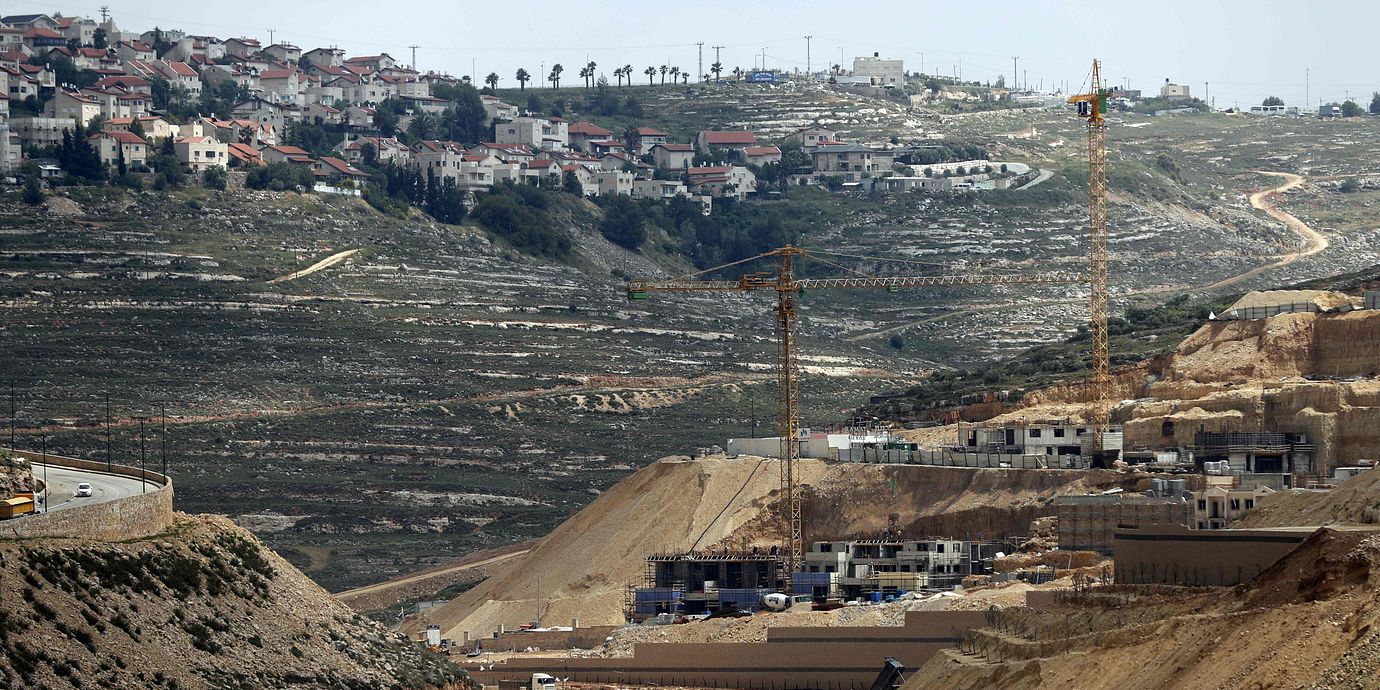
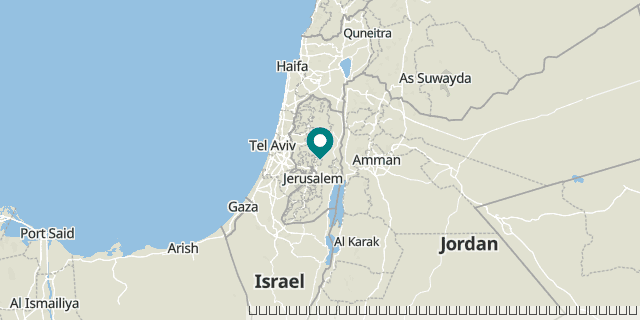
Israel har godkänt över 200 nya hem för bosättare på det ockuperade Västbanken, uppger fredsaktivister för AFP. Den israeliska regeringen uppger att nästan alla bygglov gäller uppgraderingar av befintliga bostäder.
Enligt internationell rätt är bosättningarna illegala och anses vara en av de stora stora hindren för fred.
– Den här politiken dödar tvåstatslösningen, säger Hagit Ofran från organisationen Peace Now.
bakgrund
Israeliska bosättningar
Wikipedia (en)
Israeli settlements are Jewish Israeli civilian communities built on lands occupied by Israel since the 1967 Six-Day War. Such settlements currently exist in the West Bank, East Jerusalem, and in the Golan Heights. Settlements previously existed in the Sinai Peninsula and Gaza Strip until Israel evacuated the Sinai settlements following the 1979 Israel-Egypt peace agreement and from the Gaza Strip in 2005 under Israel's unilateral disengagement plan. Israel dismantled 18 settlements in the Sinai Peninsula in 1982, and all 21 in the Gaza Strip and 4 in the West Bank in 2005, but continues to both expand its settlements and settle new areas in the West Bank, despite pressure to desist from the international community. According to the Israeli investigative reporter Uri Blau, settlements are massively funded by private tax-exempt U.S. NGOs, to the tune of $220 million for 2009-2013 alone, suggesting that the U.S. is indirectly subsidizing their creation.
The international community considers the settlements in occupied territory to be illegal, and the United Nations has repeatedly upheld the view that Israel's construction of settlements constitutes a violation of the Fourth Geneva Convention. Israeli neighborhoods in East Jerusalem and communities in the Golan Heights, the latter of which has been annexed by Israel, are also considered settlements by the international community, which does not recognise Israel's annexations of these territories. The International Court of Justice also says these settlements are illegal in a 2004 advisory opinion. In April 2012, UN secretary general Ban Ki-Moon, in response to moves by Israel to legalise Israeli outposts, reiterated that all settlement activity is illegal, and "runs contrary to Israel's obligations under the Road Map and repeated Quartet calls for the parties to refrain from provocations." Similar criticism was advanced by the EU and the US. Israel disputes the position of the international community and the legal arguments that were used to declare the settlements illegal.
The presence and ongoing expansion of existing settlements by Israel and the construction of settlement outposts is frequently criticized as an obstacle to the peace process by the Palestinians, and third parties such as the OIC, the United Nations, Russia, the United Kingdom, France, the European Union, and the United States have echoed those criticisms.
Settlement has an economic dimension, much of it driven by the significantly lower costs of housing in Jewish settlements compared to the cost of housing and living in Israel. Government spending per citizen in the Jewish settlements is double that spent per Israeli citizen in Tel Aviv and Jerusalem, while government spending for settlers in isolated areas is three times the Israeli national average. Most of the spending goes to the security of the citizens living there. On 30 June 2014, according to the Yesha Council, 382,031 Jewish settlers lived in the 121 officially recognised settlements in the West Bank, over 300,000 Israelis lived in settlements in East Jerusalem and over 20,000 lived in settlements in the Golan Heights. In January 2015 the Israeli Interior Ministry gave figures of 389,250 Israelis living in the West Bank and a further 375,000 Israelis living in East Jerusalem. Settlements range in character from farming communities and frontier villages to urban suburbs and neighborhoods. The four largest settlements, Modi'in Illit, Ma'ale Adumim, Beitar Illit and Ariel, have achieved city status. Ariel has 18,000 residents, while the rest have around 37,000 to 55,500 each. A number of Palestinians reside in settlements in East Jerusalem.
Västbanken
Omni är politiskt obundna och oberoende. Vi strävar efter att ge fler perspektiv på nyheterna. Har du frågor eller synpunkter kring vår rapportering? Kontakta redaktionen