Putins krigsekonomi tar form – servettillverkare gör rånarluvor
Att bedriva ett angreppskrig mot Ukraina innebär inte bara att mobilisera soldater till slagfältet. Vladimir Putin står inför en utmaning även på hemmaplan – att samla upp den ryska ekonomin bakom krigsinsatsen. Det skriver The Wall Street Journal.
Ryska tjänstemän har åkt kors och tvärs över landet för att öka produktionen. När konturerna av den ryska krigsekonomin nu tar form märks hur även näringslivet får göra sin del. Presidenten har satt upp ett särskilt råd med makt att tvinga bolag att tillverka utrustning till armen. Resultatet är att servettillverkare och möbelfabriker nu gör rånarluvor och kängor till soldaterna.
Men, att snabbt öka den militära produktionen är inte så lätt.
 The Wall Street Journal
Putin Grips Economy Tighter to Supply Russian War Machine
Kremlin has commandeered private enterprise to keep the military armed in fight against Ukraine but faces labor and tech shortages
After a string of battlefield losses in Ukraine in recent months, President Vladimir Putin faces a big test at home: mobilizing Russia’s economy to feed the war effort.
Russian officials have crisscrossed the country to increase production and replenish dwindling stockpiles of missiles and other munitions. State budget data from the Russian Ministry of Finance shows defense expenditures rising this year by around 30% compared with 2021 to around $78 billion and increasing further next year to around $82.5 billion.
As the contours of Russia’s war economy take shape, the state has compelled some private enterprises to take part. Mr. Putin established a special council made up of top technocrats with broad powers to require private businesses to produce equipment for the army. Napkin makers and upholstered furniture producers are now making balaclavas, boots and first-aid kits.
But increasing military output—and quickly—is difficult, analysts and Western officials say. The efforts have taken on outsize importance as Russia’s key source of revenue, oil sales, has become imperiled by low prices, Western embargoes and a new price cap on Russian crude.
“It is impossible to increase arms manufacturing for the Russian armed forces significantly,” said Pavel Luzin, an expert on Russia’s military and a visiting scholar at Tufts University. “The main challenges here are a deficit of workforce, deficit of components and industrial equipment and inefficient organizational structure of defense corporations.”
Western sanctions have limited access to some key high-technology weapons components, and military analysts say Russia has had only limited success in developing domestic production to substitute for imports. Manufacturers in other industries can’t quickly retool supply chains and production lines to make military hardware.
At the same time, the country’s demographic crisis and a postinvasion exodus to other countries means that weapons factories are short of workers.
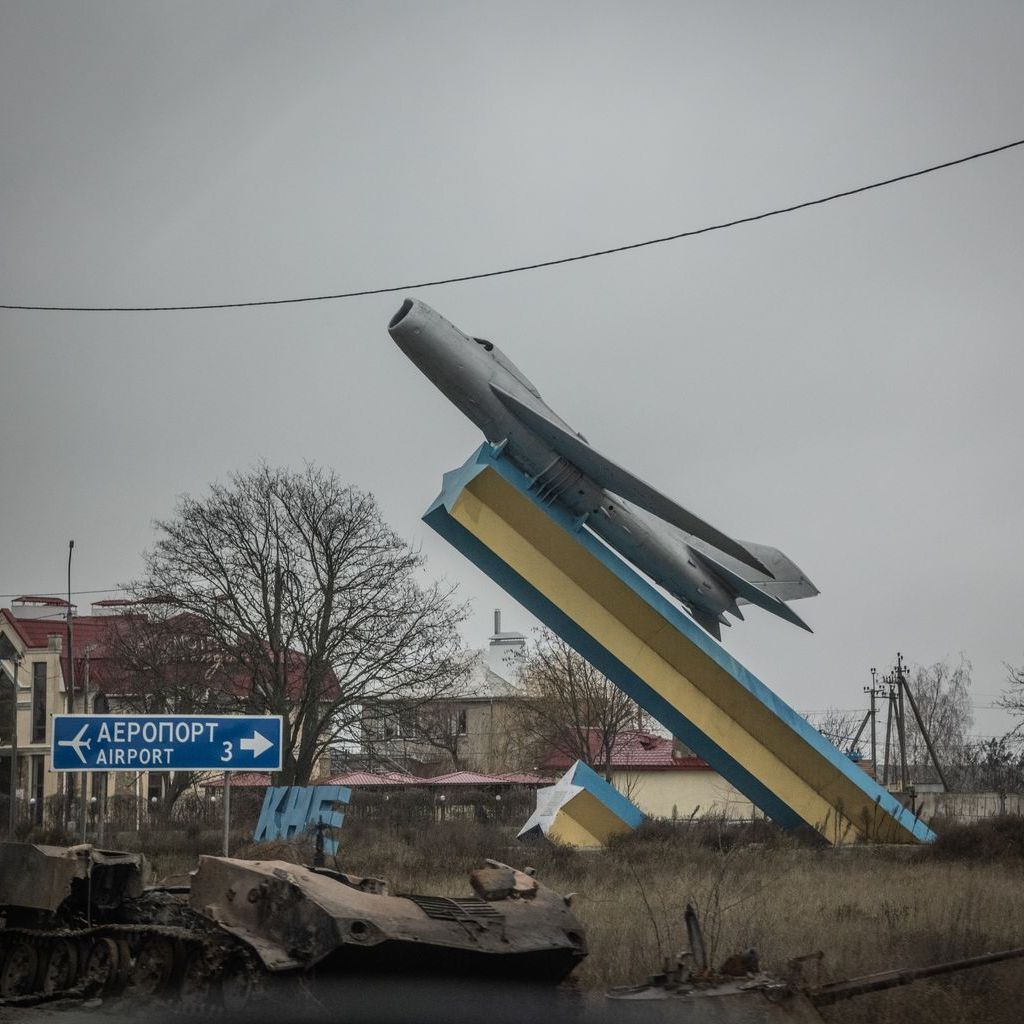
Russia has lost thousands of tanks and armored vehicles in the fighting and has turned to Iran and North Korea for help with armaments and ammunition.
“It takes a while to ramp up production, even if you have a hot production line,” said John Parachini, a senior international defense researcher at Rand Corporation. “What they’re producing at the moment is not what’s proving to be successful on the battlefield, which is short-range missiles and drones.”
The conflict in Ukraine presents “an additional burden to some of our military producers,” a spokesman for the Kremlin said. “But all the requests of the Russian Ministry of Defense are being fulfilled 100%,” he said. “We don’t see any problems.”
Russia’s defense industry was shattered after the collapse of the Soviet Union in 1991. Mr. Putin has tried to rebuild it since the mid-2000s. He renationalized enterprises and brought the industry under the control of a major holding company called Rostec, which controls more than 800 companies. A 2021 report from the Swedish Defence Research Agency describes the industry as “top-down controlled and primarily government funded.”
Ramping up military output and helping the army has now become a national goal.
“Today we are building new factories in large quantities…all aimed at the needs of the armed forces,” Andrey Gurulev, a lawmaker at the State Duma, wrote on his Telegram channel in November.
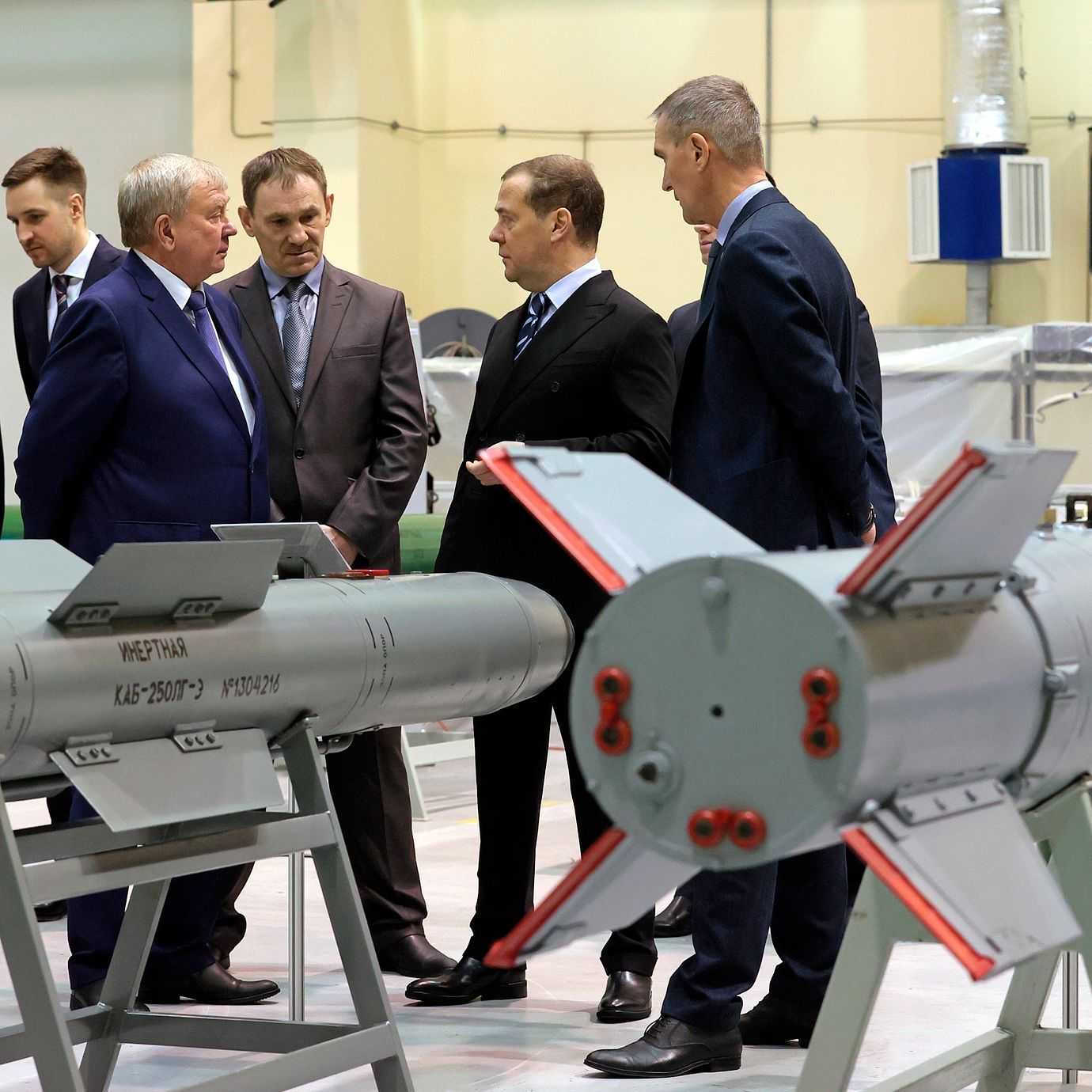
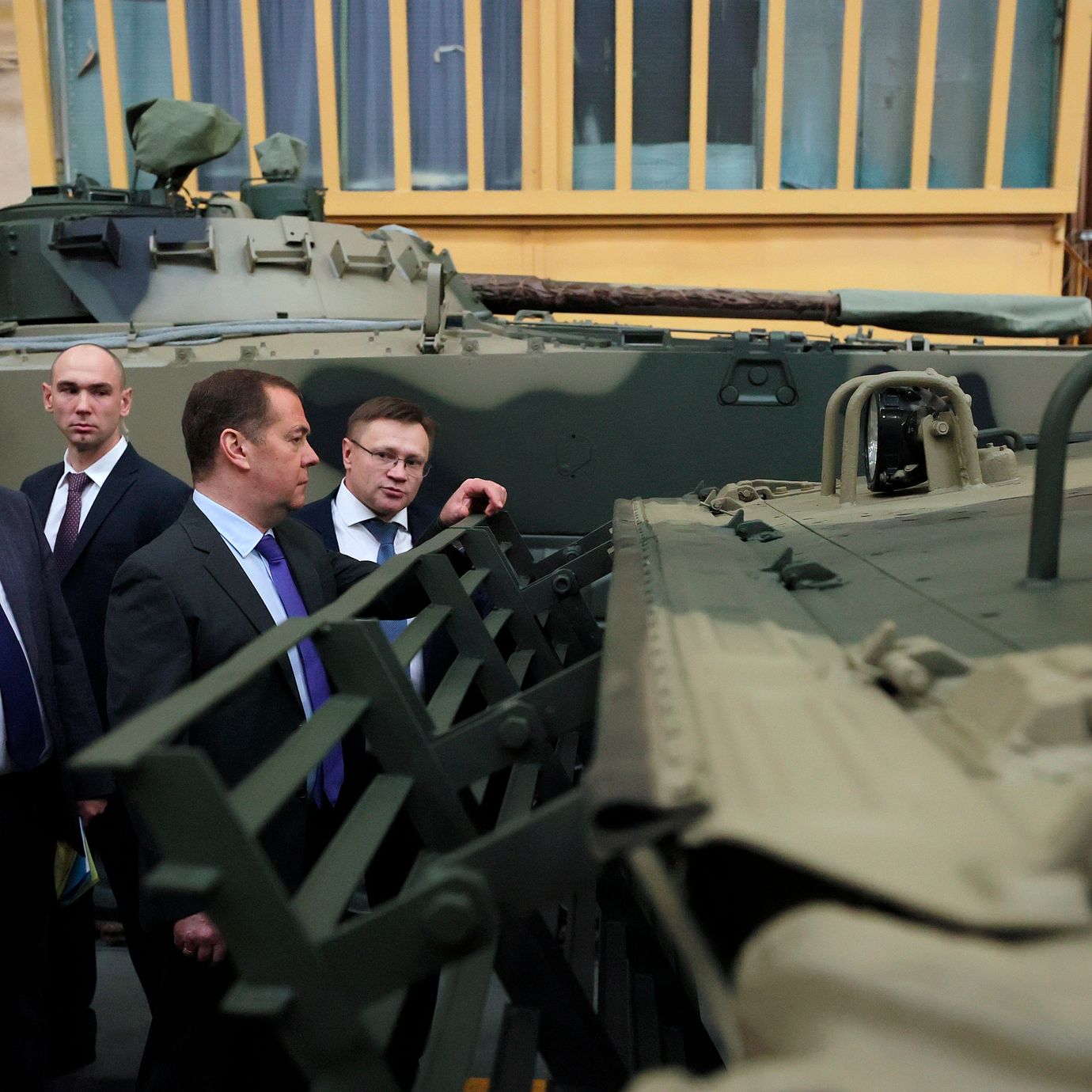
In late October, Dmitry Medvedev, deputy chairman of the Russian Security Council, on Mr. Putin’s orders, inspected the Uralvagonzavod, Russia’s largest tank manufacturer, to discuss speeding up production.
“The task was set of a strict implementation of the state defense order in all its key parameters, to prevent disruptions in the supply of manufactured equipment,” he wrote on his Telegram account.
A month later, the company said it would hire the 250 convicts to work as drillers, welders and crane operators.
There are signs that production for the military has increased this year. While official statistics don’t break down production of goods for the military, the output of “finished metal goods”—a statistical line that analysts say includes weapons and ammunition—jumped more than 16% in October from the previous month and is up 3.6% for the year so far.
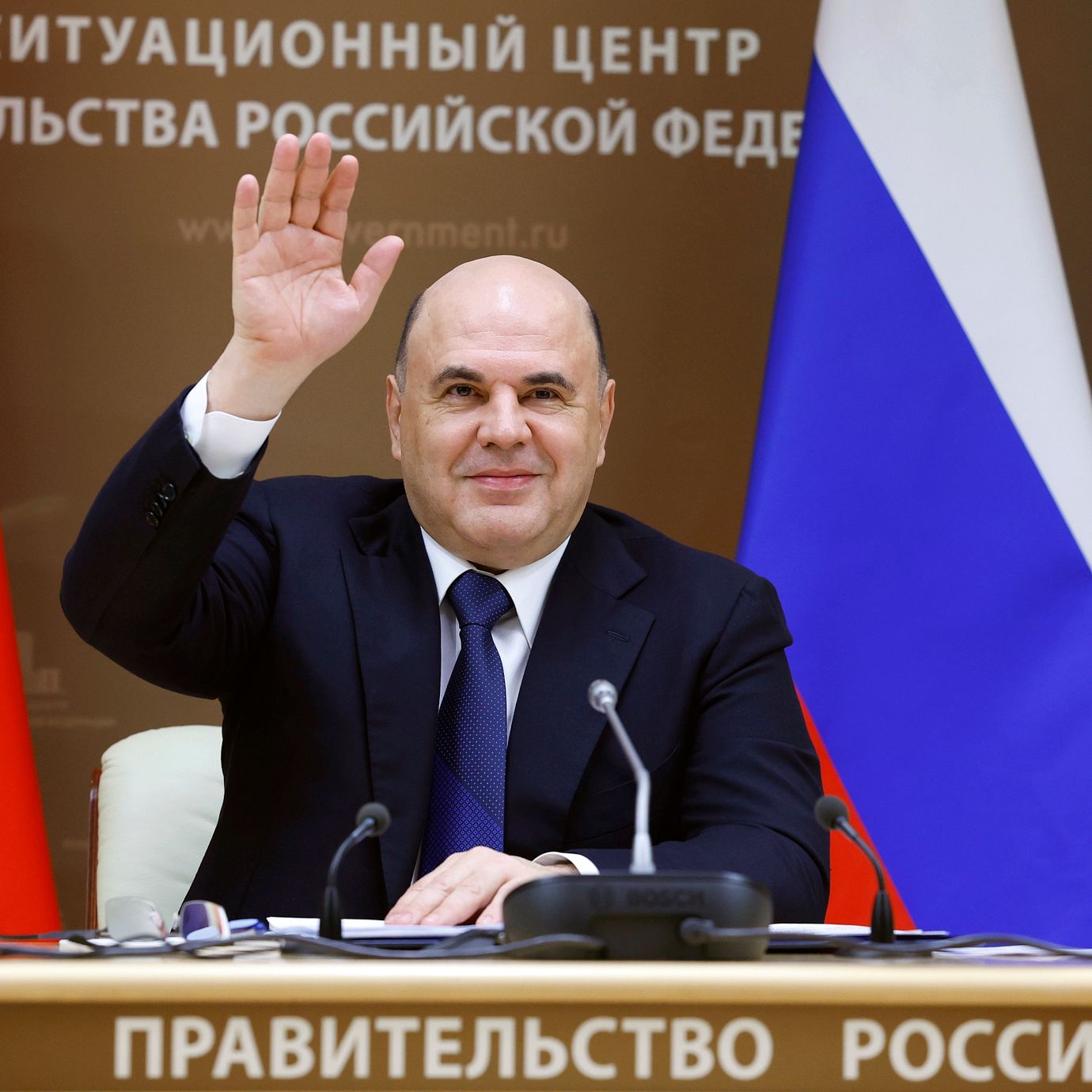
But the industry faces a workforce problem. The military-production complex, which employs around two million people, lacks 400,000 people, Deputy Prime Minister Yuri Borisov said in June, according to state newswire TASS.
Russia’s defense industry, meanwhile, struggles with corruption and inefficiencies. In October, the head of the anticorruption committee and the chairman of the defense committee in Russia’s Duma sent a request to the country’s prosecutor general to investigate why the Defense Department couldn’t properly outfit the mobilized troops given it was fully financed to do so, according to state media.
The Kremlin spokesman said the military-production complex has the strictest anticorruption measures of any sector of the economy.
Russia’s drive to publicly put the economy on a war footing marks a shift. The Kremlin initially sought to shield the domestic population from events in Ukraine. But Mr. Putin’s decision to mobilize some 300,000 men was marred by complaints of shortages of weapons, clothes and provisions. Mr. Putin himself has acknowledged the shortcomings and has asked the Ministry of Defense and other agencies to solve them.
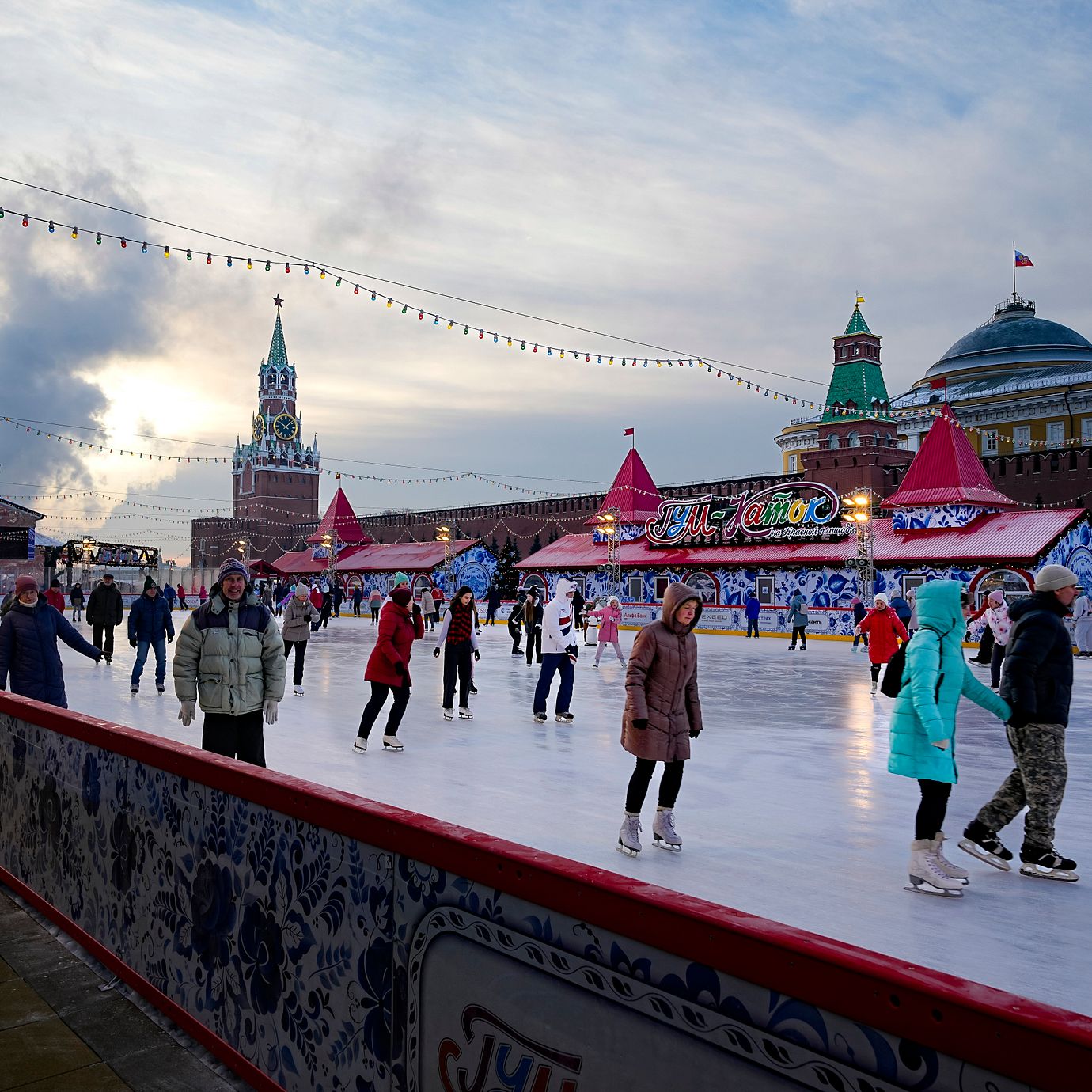
Mr. Putin’s coordination council includes Prime Minister Mikhail Mishustin and Moscow Mayor Sergei Sobyanin. Besides requiring private businesses to help, it can exert control over prices of supplies for the military and distribute budget funds.
At a November meeting of the council, Mr. Putin said the goal is to “radically improve” the pace of work and supply of equipment for the soldiers in Ukraine.
“Targets should be formed with clear production programs and delivery times for everything that is most necessary,” he said.
In October, an Omsk, Siberia-based garment company that makes school backpacks under the brand Luris received a call from the regional Defense Ministry office, according to the company’s head, Alexandr Berdnicov. The defense department asked if he could design and produce backpacks for the mobilized troops in short order, he said.
“We gave a very low price,” Mr. Berdnicov said. “We didn’t want to profit from this, we wanted to help,” he said. “I’m a patriot of my country.”
The 70-liter black packs the company designed were easier to sew than children’s backpacks, he said. Sixty seamstresses put other jobs aside and worked 12-hour days without weekends to produce 6,000 backpacks in 2½ weeks, Mr. Berdnicov said.
In St. Petersburg, Spetsmedtechnika LLC, a medical-equipment maker, boosted production for soldiers on the front lines.
“Like the whole country, our life has changed toward the maximum stress that we experience while fulfilling the state defense order,” Yakov Sharov, deputy director of Spetsmedtechnika, said on Russian state TV in November. “Those amendments to the laws that have been introduced in our case, to put it mildly, stimulate us and do not allow us to relax.”
—Kate Vtorygina contributed to this article.