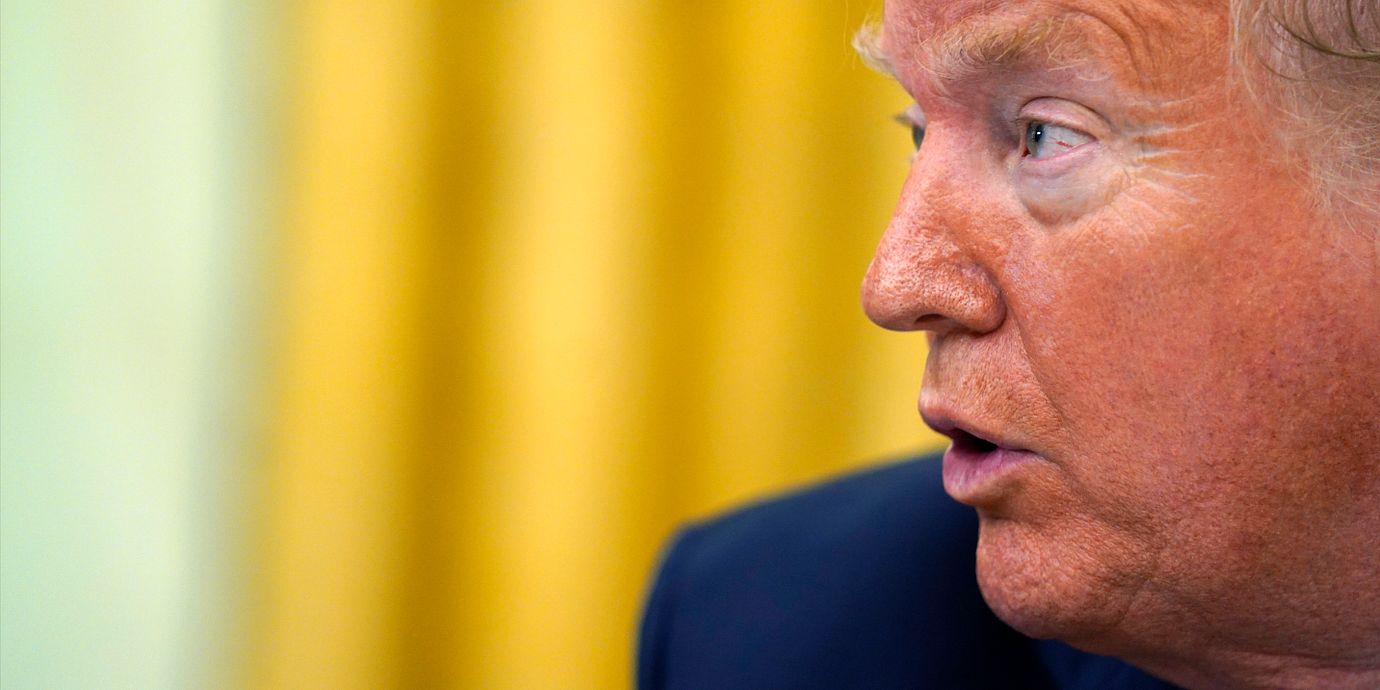
Experter: Trump kan inte ”stänga ner” sociala medier
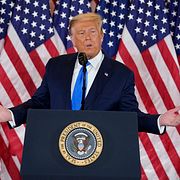
USA:s president Donald Trump har inte makten att reglera eller ”stänga ner” sociala medier, uppger juridiska experter för AP och Reuters. Presidentordern han skrev under i går kommer därför inte att påverka de lagliga förutsättningarna för sociala medier-företag som Facebook och Twitter.
Enligt Jack Balkin, juridikprofessor på Yale-universitet, är det inte ens poängen utan Trumps syfte är att skrämmas. Daphne Keller, expert på internetjuridik, säger till Reuters att presidentordern är ”95 procent politisk teater”, en retorik utan juridisk grund och utan juridisk påverkan.
Section 230
Wikipedia (en)
Section 230 of the Communications Decency Act (CDA) of 1996 (a common name for Title V of the Telecommunications Act of 1996) is a landmark piece of Internet legislation in the United States, codified at 47 U.S.C. § 230. Section 230(c)(1) provides immunity from liability for providers and users of an "interactive computer service" who publish information provided by third-party users:
No provider or user of an interactive computer service shall be treated as the publisher or speaker of any information provided by another information content provider.
Section 230 was developed in response to a pair of lawsuits against Internet service providers in the early 1990s that had different interpretations of whether the service providers should be treated as publishers or distributors of content created by its users. It was also pushed by the tech industry and other experts that language in the proposed CDA making providers responsible for indecent content posted by users that could extend to other types of questionable free speech. After passage of the Telecommunications Act, the CDA was challenged in courts and ruled by the Supreme Court in Reno v. American Civil Liberties Union (1997) to be partially unconstitutional, leaving the Section 230 provisions in place. Since then, several legal challenges have validated the constitutionality of Section 230.
Section 230 protections are not limitless, requiring providers to still remove criminal material such as copyright infringement; more recently, Section 230 was amended by the Stop Enabling Sex Traffickers Act (FOSTA-SESTA) in 2018 to require the removal of material violating federal and state sex trafficking laws. Protections from Section 230 has come under more recent scrutiny on issues related to hate speech and ideological biases in relation to the power technology companies can hold on political discussions.
Passed at a time where Internet use was just starting to expand in both breadth of services and range of consumers in the United States, Section 230 has frequently been referred as a key law that has allowed the Internet to flourish, often referred to as "The Twenty-Six Words That Created the Internet".
Omni är politiskt obundna och oberoende. Vi strävar efter att ge fler perspektiv på nyheterna. Har du frågor eller synpunkter kring vår rapportering? Kontakta redaktionen