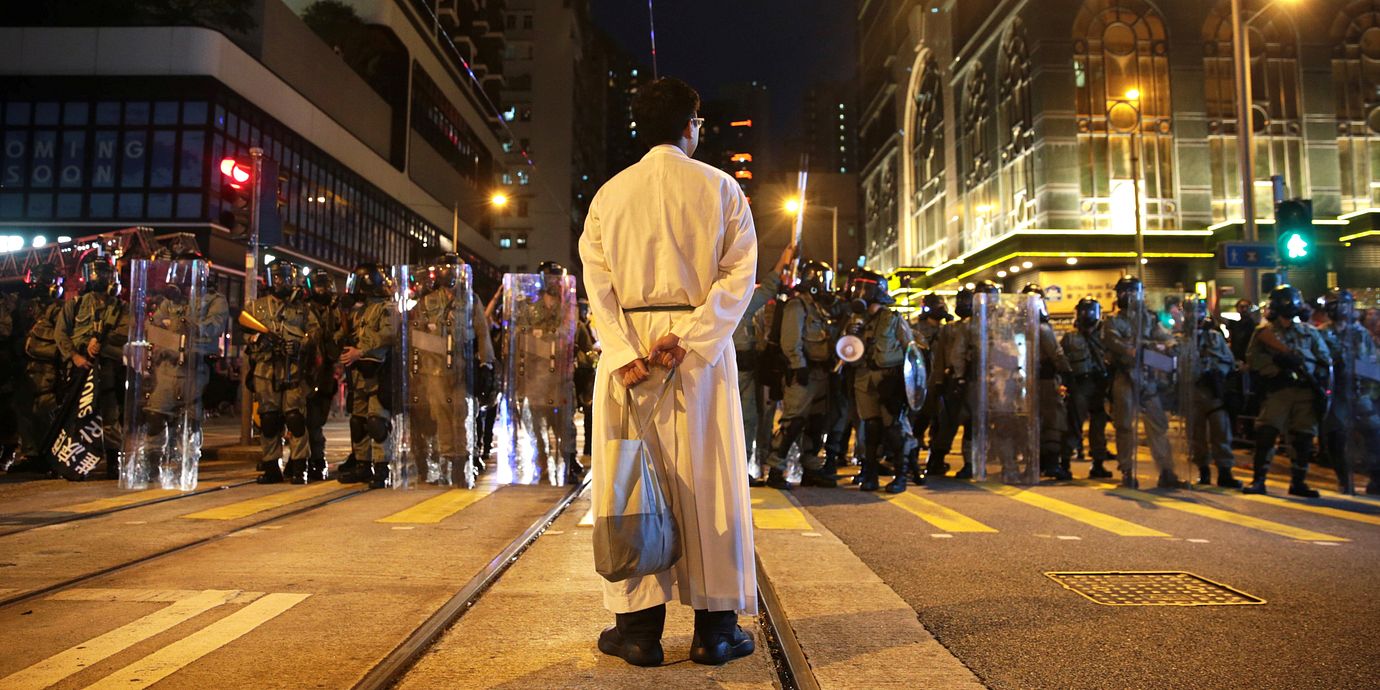
Bakgrund: Därför är det protester i Hongkong
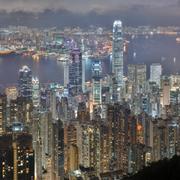
De pågående protesterna i Hongkong uppges vara de största sedan regionen lämnades över från britterna till Kina 1997 och principen ”ett land – två system” trädde i kraft.
Protesterna utlöstes av ett lagförslag som tillåter utlämning av misstänkta brottslingar från Hongkong till Fastlandskina.
I juli gick Hongkongs styre ut med beskedet att man inte kommer gå vidare med lagförslaget men protesterna har inte dämpats. I stället har missnöjet fördjupats och kraven på en begränsning av Pekings inflytande spridit sig.
Läs mer om den pågående konflikten via länkarna nedan.
bakgrund
Demonstrationerna i Hongkong
Wikipedia (en)
The 2019 Hong Kong anti-extradition bill protests are a series of ongoing demonstrations in Hong Kong against the Fugitive Offenders and Mutual Legal Assistance in Criminal Matters Legislation (Amendment) Bill proposed by the government of Hong Kong. The legislation was proposed by the Security Bureau in February 2019 ostensibly in response to a murder that occurred in Taiwan the previous year where the murder suspect had fled to Hong Kong. The regional government was unable to repatriate due to the lack of formal extradition arrangements between the two jurisdictions, being jurisdictionally distinct from mainland China as it maintains a separate governing and legal system under the "one country, two systems" principle.If enacted, the bill would allow local authorities to detain and extradite people who are wanted in countries or territories that Hong Kong does not have extradition agreements with, including mainland China and Taiwan. Opponents of the legislation fear that it would place Hong Kong residents and visitors under the jurisdiction of mainland courts (which are controlled by the Communist Party of China) and apply not only to criminals, but political dissidents as well.Demonstrations against the bill first occurred in March and April, but escalated in June. At least 240,000 people (up to one million according to organisers) marched in protest of the bill on 9 June. Protests on 12 June, the day the bill was scheduled to proceed to a second reading in the Legislative Council, marked a sharp escalation in violence, as riot police employed tear gas and rubber bullets against demonstrators. Since this protest, accusations of excessive force by police have eroded public trust in law enforcement. Investigations into police behaviour and greater accountability for their actions became part of protestor demands in subsequent marches. Following this protest, at least 338,000 people (up to two million according to organisers) attended a larger march on 16 June.On 1 July, the 22nd anniversary of the territory's handover from the United Kingdom in 1997, over 190,000 people (550,000 estimated by organisers) participated in the annual pro-democracy protest. A portion of these demonstrators split from the march and broke into the Legislative Council Complex, vandalising government and pro-Beijing symbols in the chamber.Chief Executive Carrie Lam suspended the extradition bill on 15 June and further declared it to be "dead" on 9 July, using an ambiguous Cantonese phrase (壽終正寢 Jyutping: sau6 zung1 zing3 cam2) that may be translated as "dying a peaceful death". However, she did not state that the bill would be fully withdrawn from the legislative process and has not addressed other protestors' demands. Executive Council members Regina Ip and Bernard Charnwut Chan have stated that the government does not intend to make further concessions. Instead, it will focus on preparing a policy address in October and wait for protestor momentum to slow before District Council elections in November.Protests have continued through the summer, often escalating into heated confrontations between police, democracy activists, pro-Beijing triad gang members, and local residents. As demonstrations continue, protestors have increasingly called for direct elections to choose Legislative Council members and the Chief Executive, an issue that itself triggered mass protests in 2014.
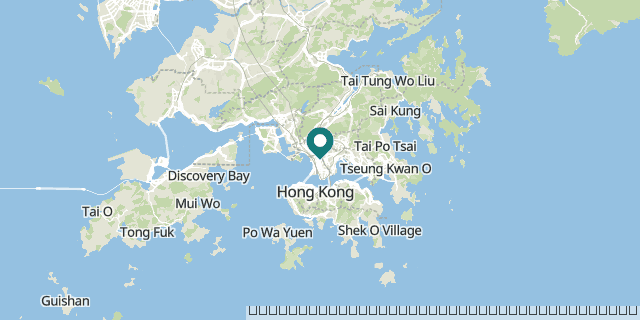
Hongkong
Omni är politiskt obundna och oberoende. Vi strävar efter att ge fler perspektiv på nyheterna. Har du frågor eller synpunkter kring vår rapportering? Kontakta redaktionen