Studie: Åderlåtning bidrog till Raphaels tidiga död
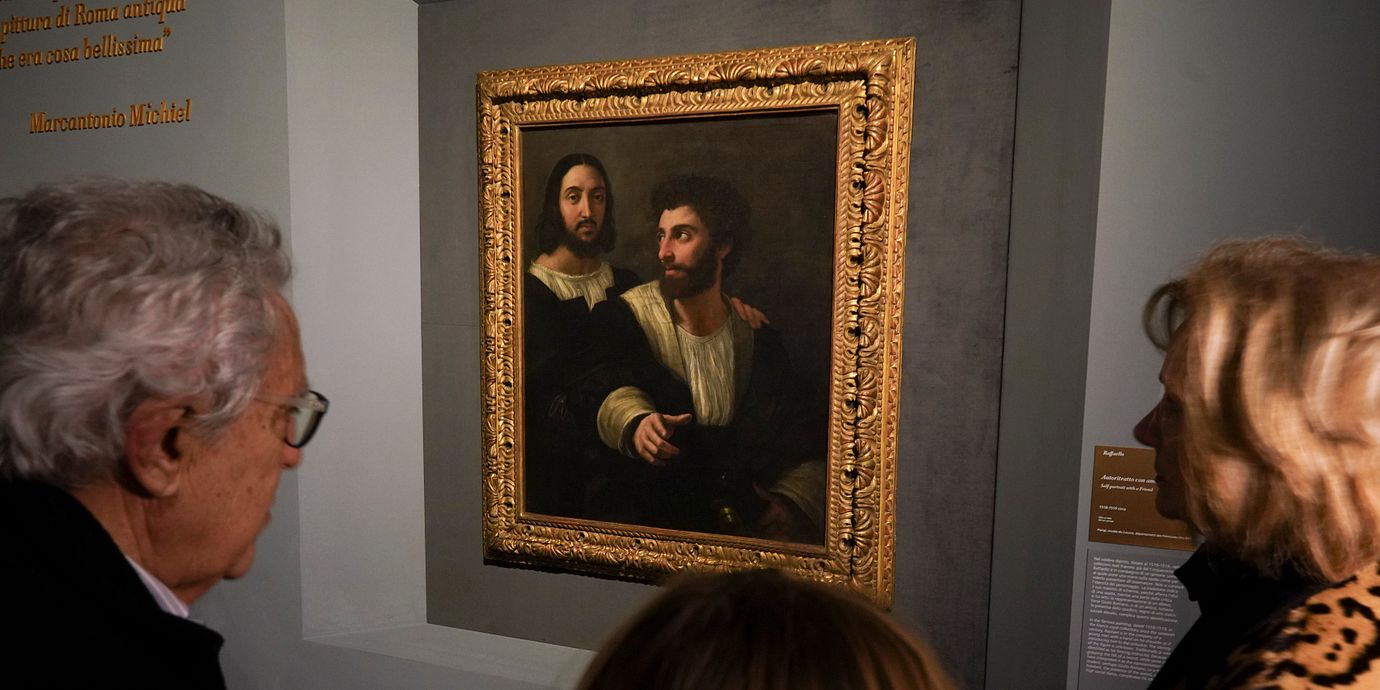
Åderlåtning var en bidragande orsak till den italienska konstnären Raphaels död. Det visar en ny studie som The Guardian skriver om.
I år har det gått 500 år sedan konstnären dog, vid cirka 37 års ålder. I samband med årsdagen har historiker från universitetet Milan-Bicocca gått igenom all tillgänglig information om dödsfallet och konstaterat att konstnären troligtvis hade lunginflammation. Hans tillstånd ska sedan ha försämrats av åderlåtningen – en vanlig behandlingsmetod vid tiden som enligt forskarna dock inte brukade användas för lungsjukdomar.
– Vi är säkra på att återlåtning bidrog till Raphaels död, säger MicheleAugusto Riva, en av författarna bakom rapporten, till The Guardian.
bakgrund
Raphael
Wikipedia (en)
Raffaello Sanzio da Urbino (Italian: [raffaˈɛllo ˈsantsjo da urˈbiːno]; March 28 or April 6, 1483 – April 6, 1520), known as Raphael (, US: ), was an Italian painter and architect of the High Renaissance. His work is admired for its clarity of form, ease of composition, and visual achievement of the Neoplatonic ideal of human grandeur. Together with Michelangelo and Leonardo da Vinci, he forms the traditional trinity of great masters of that period.Raphael was enormously productive, running an unusually large workshop and, despite his early death at 37, leaving a large body of work. Many of his works are found in the Vatican Palace, where the frescoed Raphael Rooms were the central, and the largest, work of his career. The best known work is The School of Athens in the Vatican Stanza della Segnatura. After his early years in Rome, much of his work was executed by his workshop from his drawings, with considerable loss of quality. He was extremely influential in his lifetime, though outside Rome his work was mostly known from his collaborative printmaking.
After his death, the influence of his great rival Michelangelo was more widespread until the 18th and 19th centuries, when Raphael's more serene and harmonious qualities were again regarded as the highest models. His career falls naturally into three phases and three styles, first described by Giorgio Vasari: his early years in Umbria, then a period of about four years (1504–1508) absorbing the artistic traditions of Florence, followed by his last hectic and triumphant twelve years in Rome, working for two Popes and their close associates.
Omni är politiskt obundna och oberoende. Vi strävar efter att ge fler perspektiv på nyheterna. Har du frågor eller synpunkter kring vår rapportering? Kontakta redaktionen