Google lägger ned AR-projektet Tango
Google kommer att satsa helt och hållet på sin nya augmented reality-plattform AR Core och därmed läggs nu också det gamla AR-projektet Tango ned. Enligt Google stängs plattformen för gott den 1 mars 2018.
AR Core skiljer sig på en rad sätt från Tango, men primärt på så vis att den nya plattformen inte har förmågan att se i 3D. Däremot går det att åstadkomma ungefär samma saker med AR Core, utan att det krävs extra hårdvara.
Tango (plattform)
Wikipedia (en)
Tango (formerly named Project Tango, while in-testing) is an augmented reality computing platform, developed and authored by the Advanced Technology and Projects (ATAP), a skunkworks division of Google. It uses computer vision to enable mobile devices, such as smartphones and tablets, to detect their position relative to the world around them without using GPS or other external signals. This allows application developers to create user experiences that include indoor navigation, 3D mapping, physical space measurement, environmental recognition, augmented reality, and windows into a virtual world.
The first product to emerge from ATAP, Tango was developed by a team led by computer scientist Johnny Lee, a core contributor to Microsoft's Kinect. In an interview in June 2015, Lee said, "We're developing the hardware and software technologies to help everything and everyone understand precisely where they are, anywhere."
Google has produced two devices to demonstrate the Tango technology: the discontinued Peanut phone and the Yellowstone 7-inch tablet. More than 3,000 of these devices had been sold as of June 2015, chiefly to researchers and software developers interested in building applications for the platform. In the summer of 2015, Qualcomm and Intel both announced that they are developing Tango reference devices as models for device manufacturers who use their mobile chipsets.
At CES, in January 2016, Google announced a partnership with Lenovo to release a consumer smartphone during the summer of 2016 to feature Tango technology marketed at consumers, noting a less than $500 price-point and a small form factor below 6.5 inches. At the same time, both companies also announced an application incubator to get applications developed to be on the device on launch.
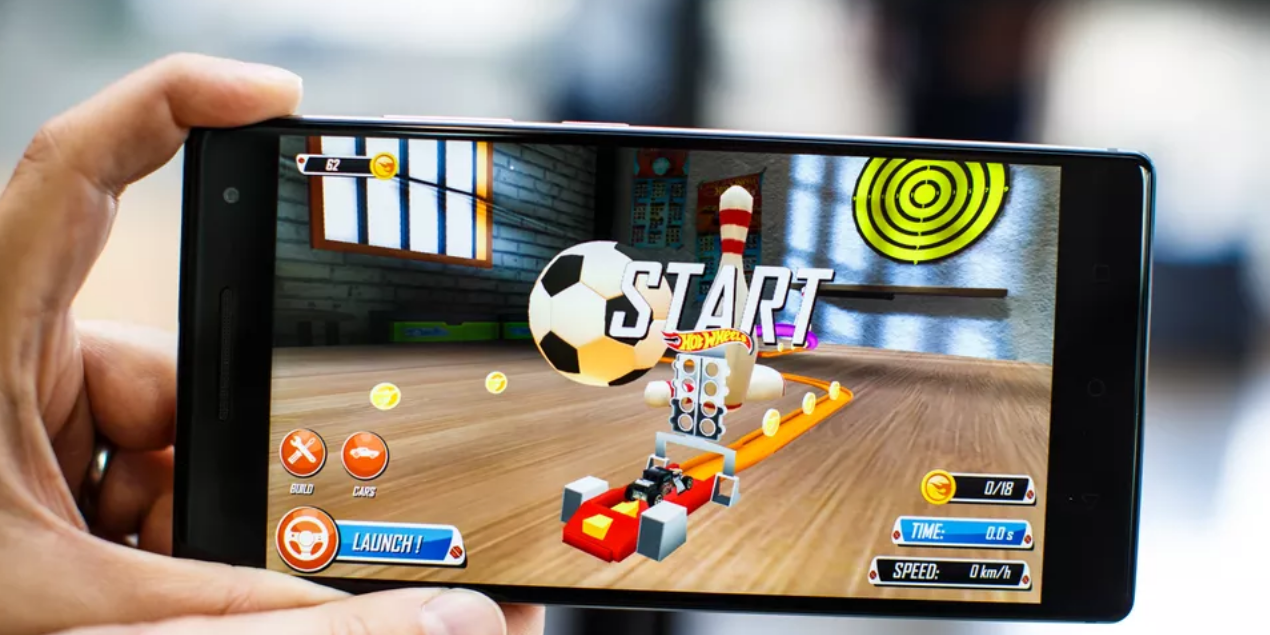
At Lenovo Tech World 2016, Lenovo launched the world's first consumer phone based on Tango, as well as releasing it as "Tango".
On 15 December 2017, Google announced that they will be turning down support for Tango on March 1, 2018, in favor of ARCore.
Omni är politiskt obundna och oberoende. Vi strävar efter att ge fler perspektiv på nyheterna. Har du frågor eller synpunkter kring vår rapportering? Kontakta redaktionen