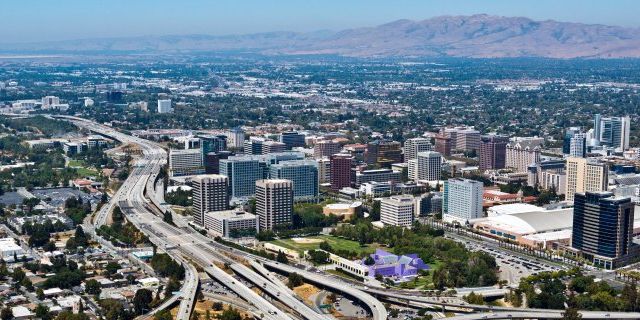
”Trumps politik kan bli ett hot mot Silicon Valley”

Det är ännu osäkert vad Donald Trump vill göra med visaformen H-1B, som gör det möjligt för arbetsgivare i USA att tillfälligt anställa specialiserad utländsk arbetskraft. Men det finns skäl att tro att den nya administrationen vill begränsa dess användande, menar Bloombergs Leonid Bershidsky. Det skulle i så fall äventyra den amerikanska rollen som teknologisk pionjärstat, menar han.

Bershidsky pekar på marknader där USA ännu inte lyckats bli världsledande. Han menar att tyska och skandinaviska bolag inom sol- och vindenergi, exempelvis, mycket väl kan dra ifrån amerikanska konkurrenter om det blir svårare att flytta till USA för att jobba.

”Det kan räcka att USA avfärdar ett par hundra ingenjörer för att drömmen om att vara ledande på en framtida mångmiljardmarknad ska gå i kras.”

Forbeskolumnisten Bryan Rich konstaterar samtidigt att stimulanser och lån flödat till Silicon Valley och bolag som Tesla under Barack Obamas tid vid makten. Han frågar sig om det kommer att fortsätta med Trump. ”Den nya administrationen ser ut att prioritera industri- och energisektorn”, skriver Rich.
bakgrund
 
H-1B visa
Wikipedia (en)
The H-1B is a non-immigrant visa in the United States under the Immigration and Nationality Act, section 101(a)(17)(H). It allows U.S. employers to temporarily employ foreign workers in specialty occupations. If a foreign worker in H-1B status quits or is dismissed from the sponsoring employer, the worker must either apply for and be granted a change of status to another non-immigrant status, find another employer (subject to application for adjustment of status and/or change of visa), or leave the U.S. The regulations define a "specialty occupation" as requiring theoretical and practical application of a body of highly specialized knowledge in a field of human endeavor including but not limited to biotechnology, chemistry, architecture, engineering, mathematics, physical sciences, social sciences, medicine and health, education, law, accounting, business specialties, theology, and the arts, and requiring the attainment of a bachelor's degree or its equivalent as a minimum (with the exception of fashion models, who must be "of distinguished merit and ability"). Likewise, the foreign worker must possess at least a bachelor's degree or its equivalent and state licensure, if required to practice in that field. H-1B work-authorization is strictly limited to employment by the sponsoring employer. On March 3, 2017 the U.S. Citizenship and Immigration Service announced on their website that starting from April 3, 2017 they will temporarily suspend premium processing for all H-1B visa petitions until further notice.
Omni är politiskt obundna och oberoende. Vi strävar efter att ge fler perspektiv på nyheterna. Har du frågor eller synpunkter kring vår rapportering? Kontakta redaktionen