”Sedelkaoset kan ge färre mänskliga bankomater”
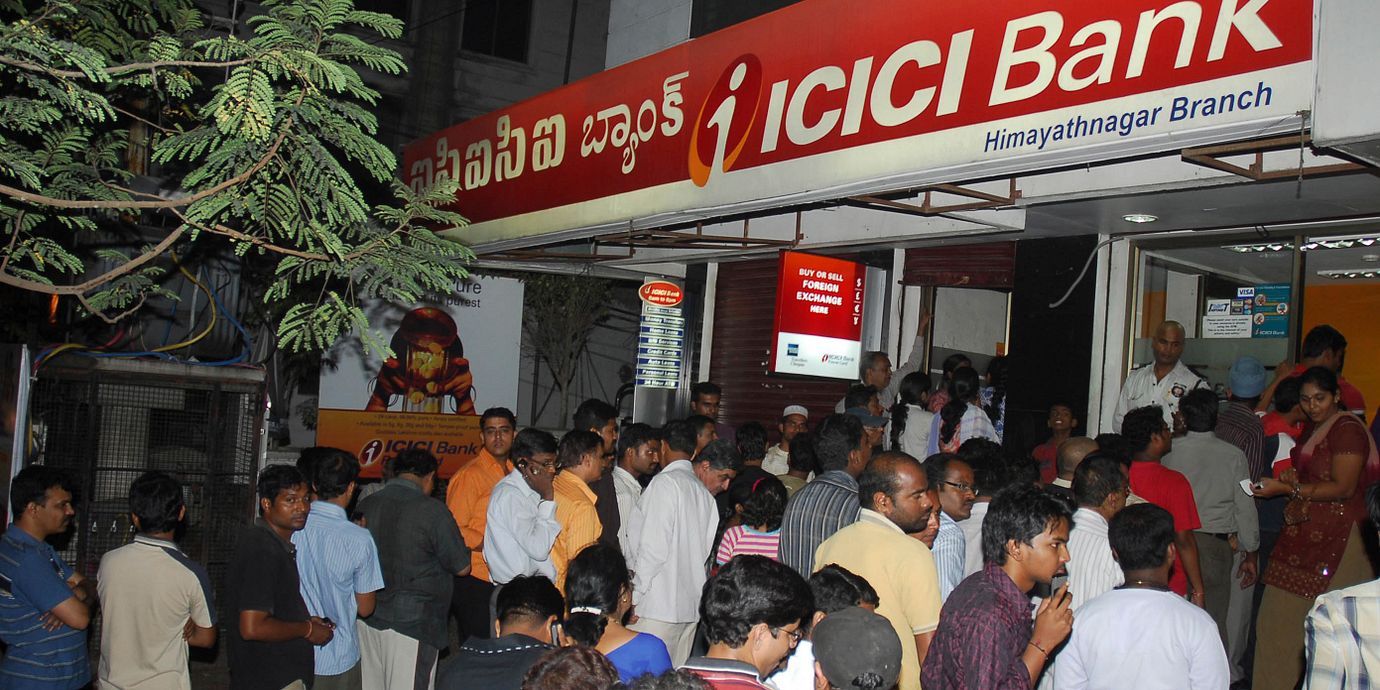
Indiens bankirer slår mynt av regeringens beslut att dra in flera sedlar. Orsaken är att privatpersoners insättningar har skjutit i höjden och därmed minskat bankernas upplåningskostnader, skriver Bloombergs Andy Mukherjee. Men skuggbanksektorn tar däremot mycket stryk och en förändring av hur betalningar sköts i Indien lär följa, enligt honom.
”De traditionella finansbolagens styrka – deras vitt spridda nätverk av ’mänskliga uttagsautomater’ – kan gradvis tappa sin udd”.
bakgrund
500- och 1000-rupiesedlar har ogiltigförklarats
Wikipedia (en)
The demonetisation of ₹500 and ₹1000 banknotes was a step taken by the Government of India on 8 November 2016, ceasing the usage of all ₹500 and ₹1000 banknotes of the Mahatma Gandhi Series as a form of legal tender in India from 9 November 2016.
The announcement was made by the Prime Minister of India Narendra Modi in an unscheduled live televised address to the nation at 20:15 Indian Standard Time (IST) the same day. In the announcement, Modi declared circulation of all ₹500 and ₹1000 banknotes of the Mahatma Gandhi Series as invalid and announced the issuance of new ₹500 and ₹2000 banknotes of the Mahatma Gandhi New Series in exchange for the old banknotes.
The banknote denominations of ₹100, ₹50, ₹20, ₹10 and ₹5 of the Mahatma Gandhi Series continued to remain as legal tender and were unaffected by the policy. The demonetisation was done in an effort to stop counterfeiting of the current banknotes allegedly used for funding terrorism, as well as a crack down on black money in the country. The move is also aimed at reducing corruption, drug menace and smuggling.
Omni är politiskt obundna och oberoende. Vi strävar efter att ge fler perspektiv på nyheterna. Har du frågor eller synpunkter kring vår rapportering? Kontakta redaktionen