Trumps familjebolag krymper redan – nu väntar ny utmaning i rätten

När Donald Trump tillträdde som president blomstrade hans familjeföretag. Nya hotell öppnades världen över och stora golfturneringar hölls på imperiets golfbanor.
Nu är bilden en annan, skriver The New York Times. När domstolsprocessen mot företaget inleds i dagarna, så är det ett vingklippt företag som framträder. Expansionen är satt på paus och Trumphotellet i Washington DC – en gång mittpunkten i hela MAGA-universumet – är sålt.
Inför rättsprocessen så ser åklagaren ut att ha trumf på hand. Trump Organizations 75-årige finanschef, Allen Weisselberg, har erkänt sig skyldig och gått med på att vittna.
 The New York Times
Trump’s Business, Already Shrinking, Faces a Tough Test in Court
The Trump Organization’s trial on tax fraud and other charges begins Monday in Manhattan, raising questions about the future of the former president’s family business.
At the dawn of Donald Trump’s presidency, his family business appeared poised for a windfall: It unveiled new hotel lines, held ribbon-cuttings around the world and attracted major tournaments to its golf clubs, enough for Eric Trump, who ran the company while his father was in the White House, to remark, “The stars have all aligned.”
Five years later, those stars have faded. The former president’s company, grappling with legal and political scrutiny, has halted its expansion to concentrate on its existing properties. It even sold the Trump hotel in Washington, D.C., once the center of the MAGA universe.
This week will drive home that stark reversal of fortune as the company faces a highly public reckoning: a criminal trial in the New York City borough of Manhattan, where the district attorney’s office will accuse it of tax fraud and other crimes.
Although Trump himself was not indicted, he is synonymous with the company he ran for decades, a business that bears his name and served as a launching pad for his presidency.
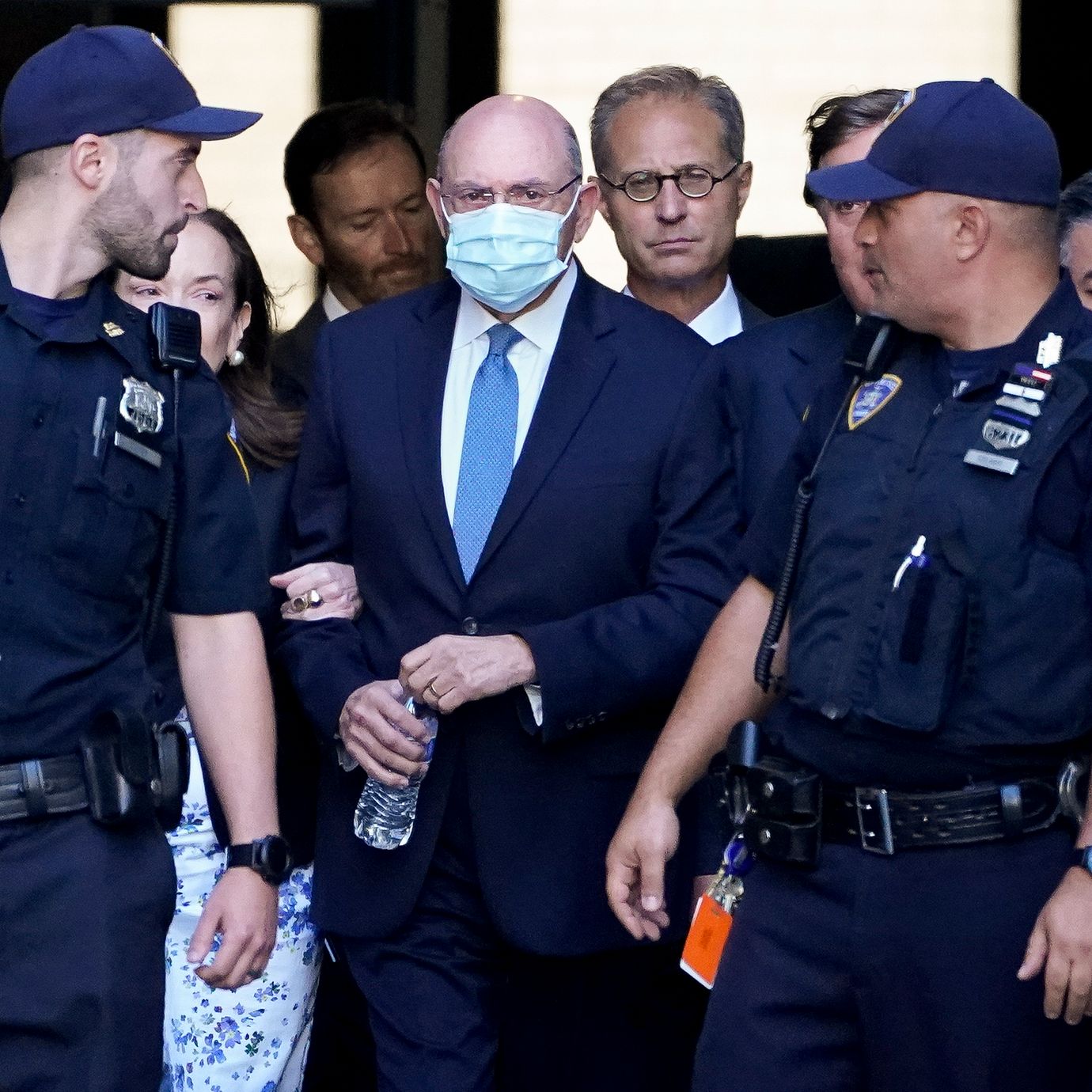
The trial in state Supreme Court will present an embarrassing scene for the former president, pushing to the forefront one of several criminal investigations swirling around him.
This case centers on special perks doled out by the former president’s business, the Trump Organization, which comprises a universe of more than 500 corporate entities. Last year, the district attorney’s office accused two of those entities — The Trump Corp. and Trump Payroll Corp. — of awarding off-the-books benefits such as rent-free apartments and leased luxury vehicles to a few top executives who failed to pay taxes on the perks.
As jury selection begins Monday, District Attorney Alvin Bragg appears to have the upper hand. The Trump Organization’s 75-year-old chief financial officer, Allen Weisselberg, recently pleaded guilty to conspiring with the two corporations to carry out the scheme — and agreed to testify at their trial, tipping the case in favor of Bragg, a Democrat.
“Having the company’s top financial officer as your star witness is a prosecutor’s dream,” said Daniel Horwitz, a former prosecutor in the district attorney’s office who is now a partner at McLaughlin and Stern, where he defends corporations in white collar crime cases.
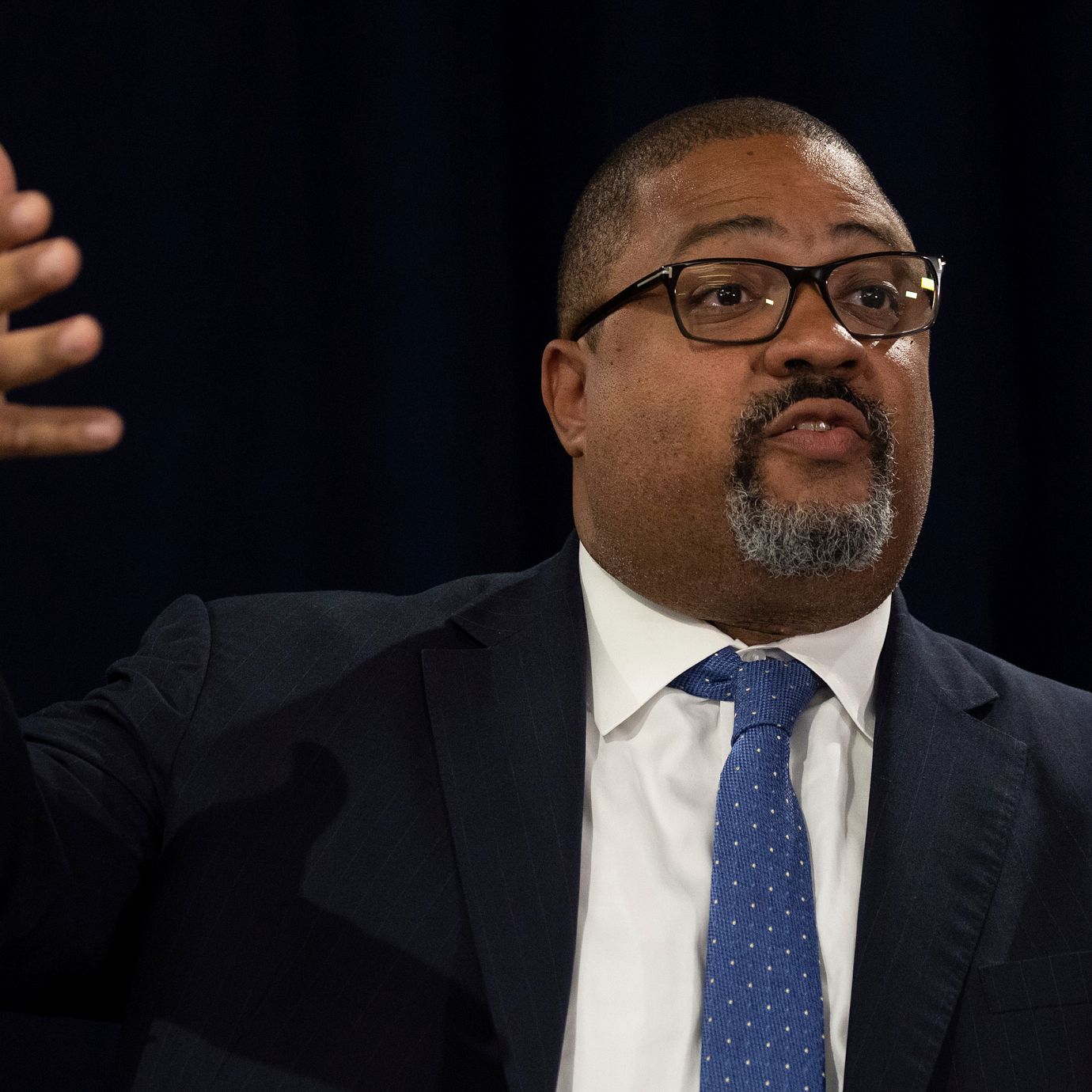
Bragg’s tax case grew out of a broader investigation into the former president and whether he fraudulently inflated the value of his properties to obtain favorable deals from lenders and insurers. Seeking an insider to testify against the former president, the district attorney’s office leaned on Weisselberg, a loyal lieutenant who got his start with Trump’s father a half-century ago and served as the company’s financial gatekeeper for decades. When he resisted their pressure campaign, the office indicted Weisselberg and the two corporations for the special perks.
At the trial, which is expected to last more than a month, lawyers for the Trump corporations will say Weisselberg went behind the Trump family’s back to avoid paying taxes on the perks, and was not conspiring with the company.
“Weisselberg’s acts were done to benefit himself and not done to benefit the company, and we expect to show that at trial and be acquitted,” said one of the company’s lawyers, Susan Necheles. (While the prosecutors could argue that the scheme saved money for the company, which did not pay payroll taxes on the perks, the defense is expected to argue that, in fact, the company lost money as a result of the arrangement.)
The lawyers might also argue that Weisselberg agreed to testify under duress, noting that he could have faced years in prison. The plea deal calls for him to serve five months in jail, but with good behavior, he is likely to spend only 100 days there.
Yet, if he lied on the witness stand, the judge overseeing the case could impose up to a 15-year prison sentence, according to his lawyer, Nicholas Gravante Jr., a partner at Cadwalader, Wickersham & Taft, who said his client was meeting with both prosecutors and the company’s lawyers “to assure that his testimony goes smoothly.”
Weisselberg, who is on paid leave from the company, has still refused to cooperate with the broader investigation into the former president.
Trump, who was not accused of participating in the benefits scheme, has chalked up the case to a “witch hunt” against him, echoing the refrain he uses to leverage legal woes into a rallying cry for his political base.
And for his family business, a conviction would hardly constitute a death blow.
A company, of course, cannot be jailed, and Trump’s corporations are not publicly traded, so there will be no run on the business if the jury convicts. The potential punishments are also relatively minor: The two Trump corporations going to trial, which employ and pay the former president’s top executives, are facing a maximum of about $1.7 million in penalties, a rounding error for Trump, who typically notched hundreds of millions of dollars in revenue during his presidency.
Although a guilty verdict may scare off some potential lenders and business partners, the former president’s business has survived years of scrutiny from prosecutors and lawmakers. It also rebounded from the pandemic, and recently generated hundreds of millions of dollars from selling the Washington hotel, which, along with other deals, enabled it to refinance or retire a significant portion of its debt.
Yet, with its owner distracted by his political pursuits — and a drumbeat of investigations — the company appears to be running in place, tending to properties it has held for years, including office and apartment buildings in New York, a handful of hotels and 16 golf courses that it owns or manages. Although the company won’t stay in neutral forever, a conviction might further impede its growth.
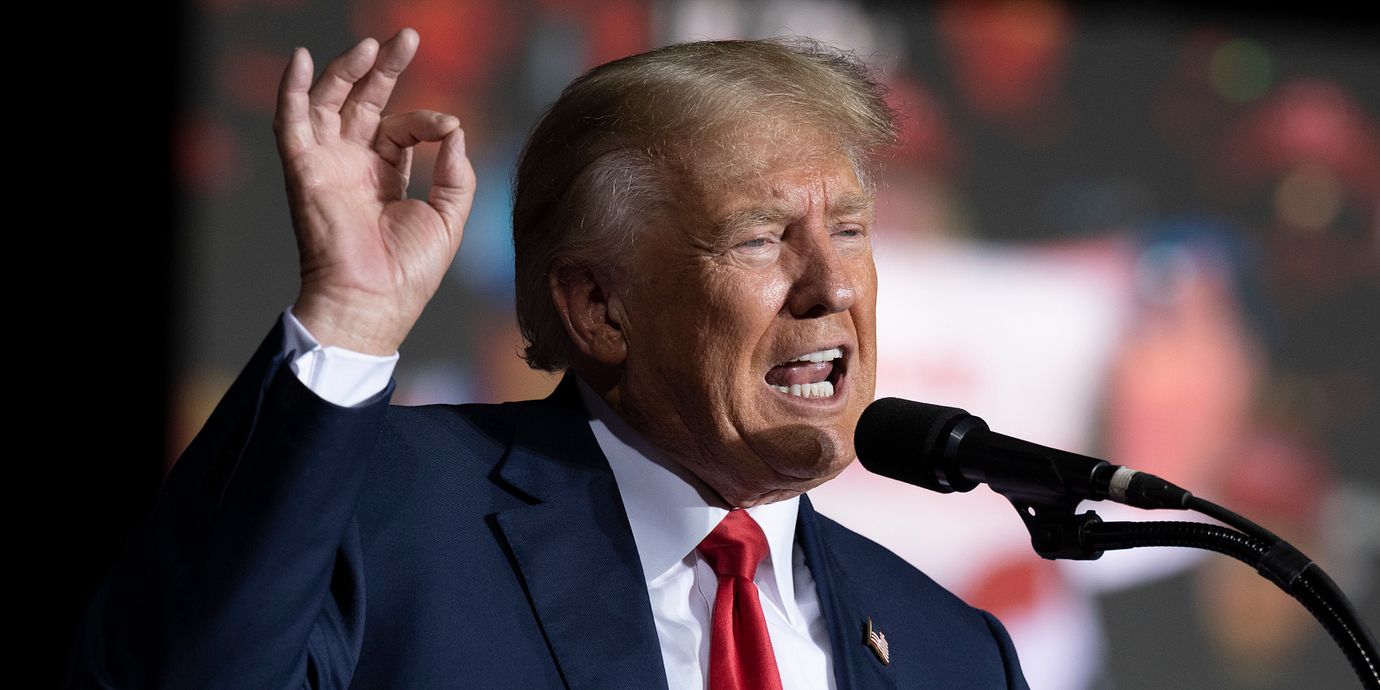
The stakes are high for Bragg as well. The trial represents the highest-profile proceeding of his young tenure. And although a conviction may help endear him to his liberal Manhattan base, the trial will also serve as a daily reminder that he has not secured the bigger prize in this investigation: an indictment of Trump.
Soon after Bragg took office in January, he balked at charging Trump in the broader investigation into how he valued his assets on annual financial statements. Bragg’s decision, which halted an ongoing presentation of evidence to a grand jury, prompted the resignation of two senior prosecutors and fueled a public uproar, even among some of the new district attorney’s supporters.
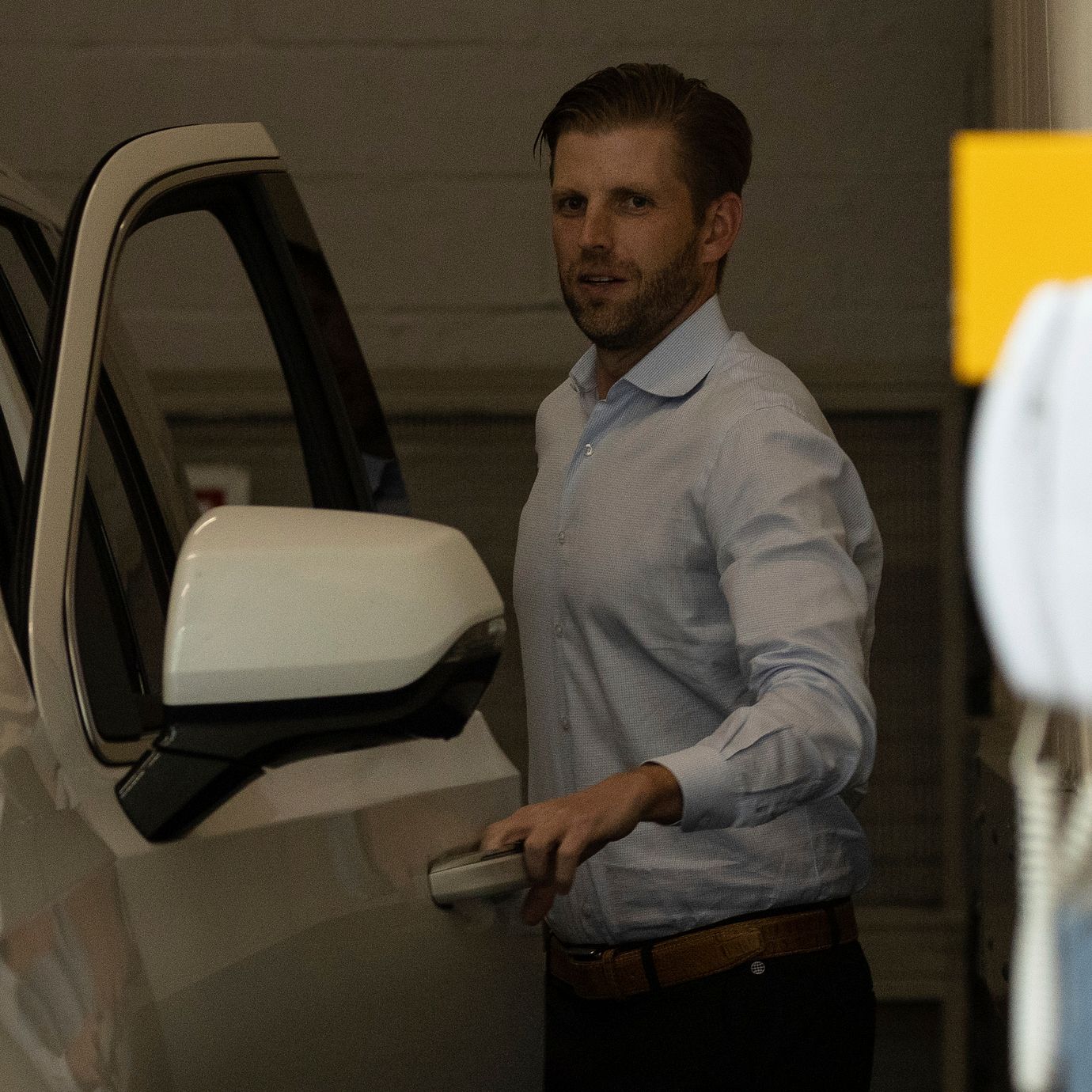
As Bragg’s investigation faded from public view, New York Attorney General Letitia James ramped up her own civil investigation into Trump’s financial statements, recently filing a lawsuit that accused him, his children and his company of “staggering” fraud in how they “grossly inflated” his net worth. The suit seeks to bar the former president, as well as his children — Donald Jr., Eric and Ivanka — from ever running a business in the state again.
Lawyers from James’ office are also participating in the trial and in Bragg’s criminal investigation, which the district attorney recently said is “active and ongoing.”
It is one of several investigations looming over Trump, whose final days in office have drawn wide scrutiny. In August, the FBI searched his Florida compound for sensitive documents he removed from the White House, while prosecutors in Washington and Georgia are examining whether he improperly meddled in the 2020 election results.
The tumultuous period after the election caused headaches for his company as well. After the attack on the U.S. Capitol on Jan. 6, 2021, banks and insurers fled.
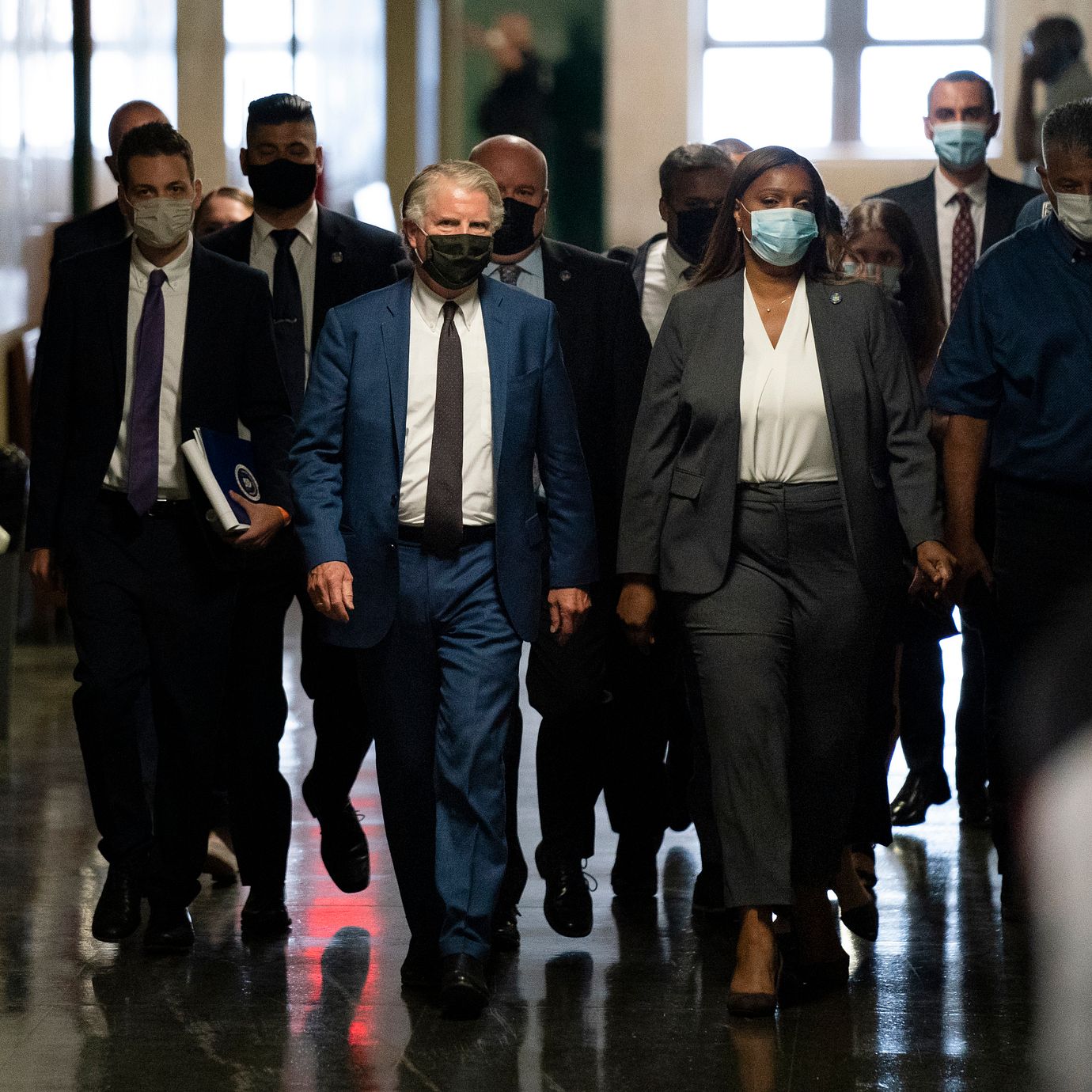
It was a far cry from the period leading up to his presidency, during which the company embarked on years of expansion. It opened five-star hotels in Chicago and Las Vegas, and deployed some of Trump’s newfound riches from “The Apprentice” to snatch up golf courses. He also leveraged his growing celebrity to license his name to properties that other companies developed.
The growth continued through the final stretch of the 2016 presidential campaign, when Trump opened his Washington hotel, which soon became a magnet for Republican lobbyists and lawmakers.
But two years into Trump’s presidency, the company retreated. It shelved two planned hotel brands, and, in the span of a year, the Trump name came off hotels in Panama, Toronto and lower Manhattan.
They blamed self-imposed ethics restrictions, including swearing off new foreign development, as well as congressional and law enforcement investigations.
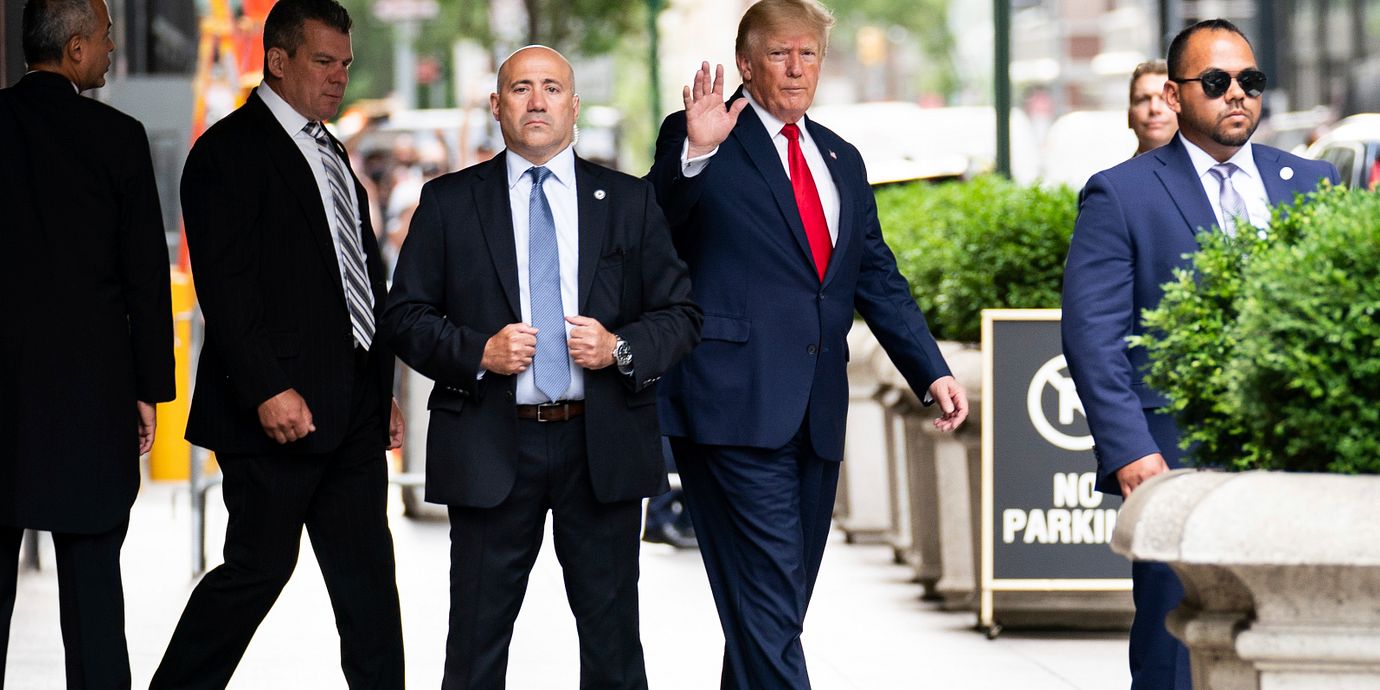
The Manhattan investigation began in earnest in the summer of 2019, when then-District Attorney Cyrus Vance Jr. subpoenaed Trump’s accounting firm for his tax returns, prompting a battle that reached the Supreme Court and resulted in a victory for prosecutors in early 2021.
Later that year, prosecutors charged Weisselberg with reaping about $1.76 million in undisclosed compensation from the perks — including rent on his Upper West Side apartment, leased Mercedes Benzes and private school tuition for his grandchildren — and evaded nearly $1 million in taxes. Together, he and the company were charged with a scheme to defraud, conspiracy, tax fraud and falsifying business records.
Given his rank, Weisselberg is known as a high managerial agent of a company — an employee whose conduct generally represents the conduct of the company. Under New York law, the Trump corporations are guilty if someone like Weisselberg committed a crime “within the scope of his employment and in behalf of the corporation.”
Although a conviction would represent a major symbolic victory for Bragg, even his success is unlikely to have severe consequences.
“It’s a reputational hit, but does that even matter to Trump and his family?” said Jason Berland, a lawyer who previously worked in the district attorney’s office. “It’s not like he’s going to jail because of this. He’s almost like the Teflon Don.”
© 2022 The New York Times Company. Read the original article at The New York Times.