Förbundskanslern: Troligt nästa sommar blir normal
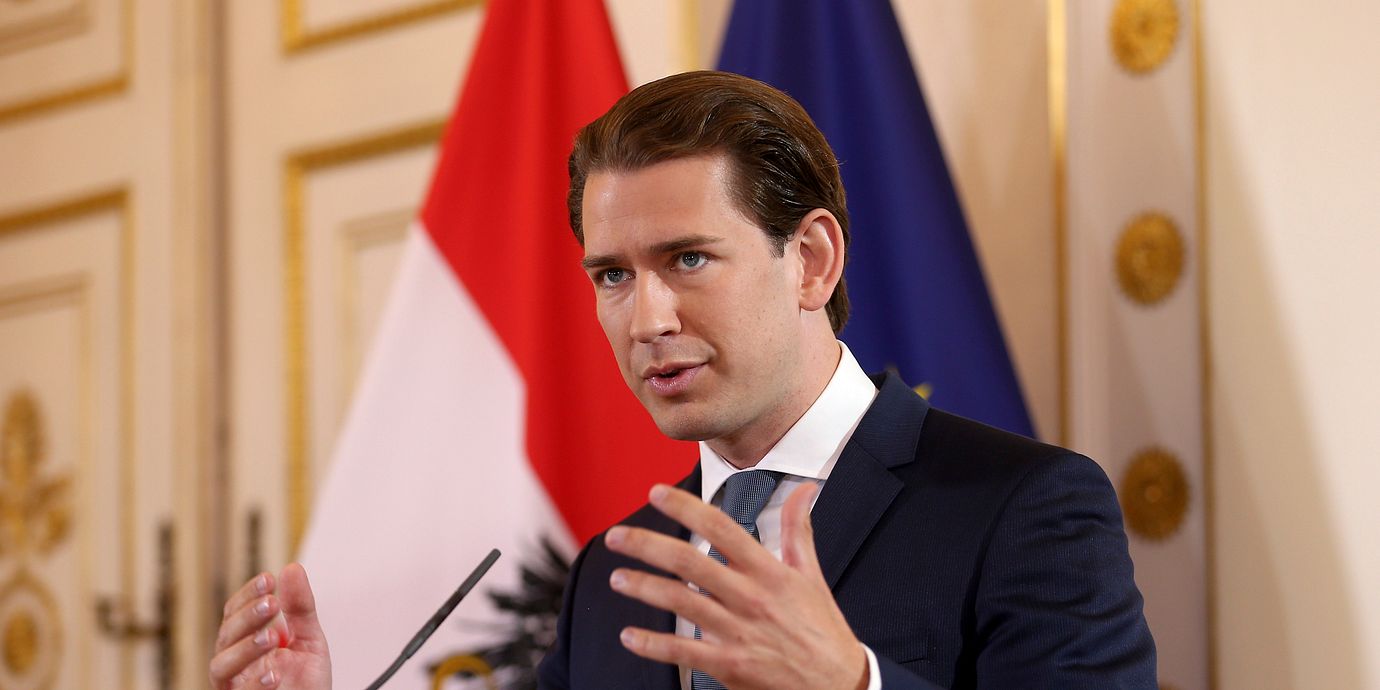
Österrikes förbundskansler Sebastian Kurz gör bedömningen att samhället kommer att återgå till det normala i mitten av nästa år. Det rapporterar AFP och TT.
– Utifrån där vi står i dag är det väldigt sannolikt att nästa sommar kan bli normal, säger han under fredagen.
Innan dess väntar ytterligare flera utmanande månader på grund av skolstart , kallare väder och inledningen av influensasäsongen, menar Kurz.
Nästa vecka kommer regeringen i Wien att besluta ifall restriktionerna för att begränsa smittspridningen ska skärpas ytterligare.
bakgrund
Sebastian Kurz
Wikipedia (en)
Sebastian Kurz (German pronunciation: [zeˈbastˌi̯a:n ˈkʊrt͡s]; born 27 August 1986) has been chancellor of Austria since January 2020, a position he previously held from December 2017 to May 2019. Kurz has also been chairman of the Austrian People's Party since May 2017.
Kurz was born and raised in Meidling, Vienna. He acquired his Matura in 2004 at the GRG 12 Erlgasse and subsequently completed mandatory military service in 2005. Kurz attended the faculty of law at the University of Vienna, and left before graduating to focus on his political career. He entered politics by joining the Young People's Party (JVP) in 2003. Five years later he assumed his first political office there as chairman of the JVP for Vienna. In 2010, Kurz successfully ran for the Viennese State Diet and thereby obtained his first governmental post. Following a reshuffle of the First Faymann cabinet in 2011, Kurz was nominated and appointed state secretary of the Interior Ministry for social integration. After the 2013 legislative election, Kurz became foreign minister of Austria and remained the country's top diplomat until December 2017.
Following the resignation of Vice Chancellor Reinhold Mitterlehner as chairman of the People's Party (ÖVP) in May 2017, Kurz was named his successor. Mitterlehner's withdrawal from politics led to the end of the Kern cabinet and triggered a legislative snap election in 2017; in which Kurz participated as the top candidate of his party. As leader of the largest party after the election, Kurz was charged with forming his first cabinet and subsequently formed a coalition with the Freedom Party (FPÖ). During his chancellorship, Kurz passed many changes and reforms but suffered multiple scandals. Following the Ibiza affair and the end of the ÖVP–FPÖ majority coalition, Kurz was dismissed by the National Council through a motion of no confidence passed by the SPÖ, FPÖ and Jetzt in May 2019. After the 2019 legislative snap elections, he returned to power, forming another coalition – this time with the environmentalist Green Party.
His youth and political tenor have been credited with revitalizing the traditional conservative movement in Austria, and to a larger extent, in Europe. Opponents have, however, denounced him as uncooperative and hasty, particularly with respect to his signature issues: immigration and social politics. Aged 33, Kurz is the youngest head of government in the world, and first elected to the post aged 31, the youngest chancellor in Austrian history.
Omni är politiskt obundna och oberoende. Vi strävar efter att ge fler perspektiv på nyheterna. Har du frågor eller synpunkter kring vår rapportering? Kontakta redaktionen