Ex-minister: Nya Sidenvägen ”motverkar isolationism”
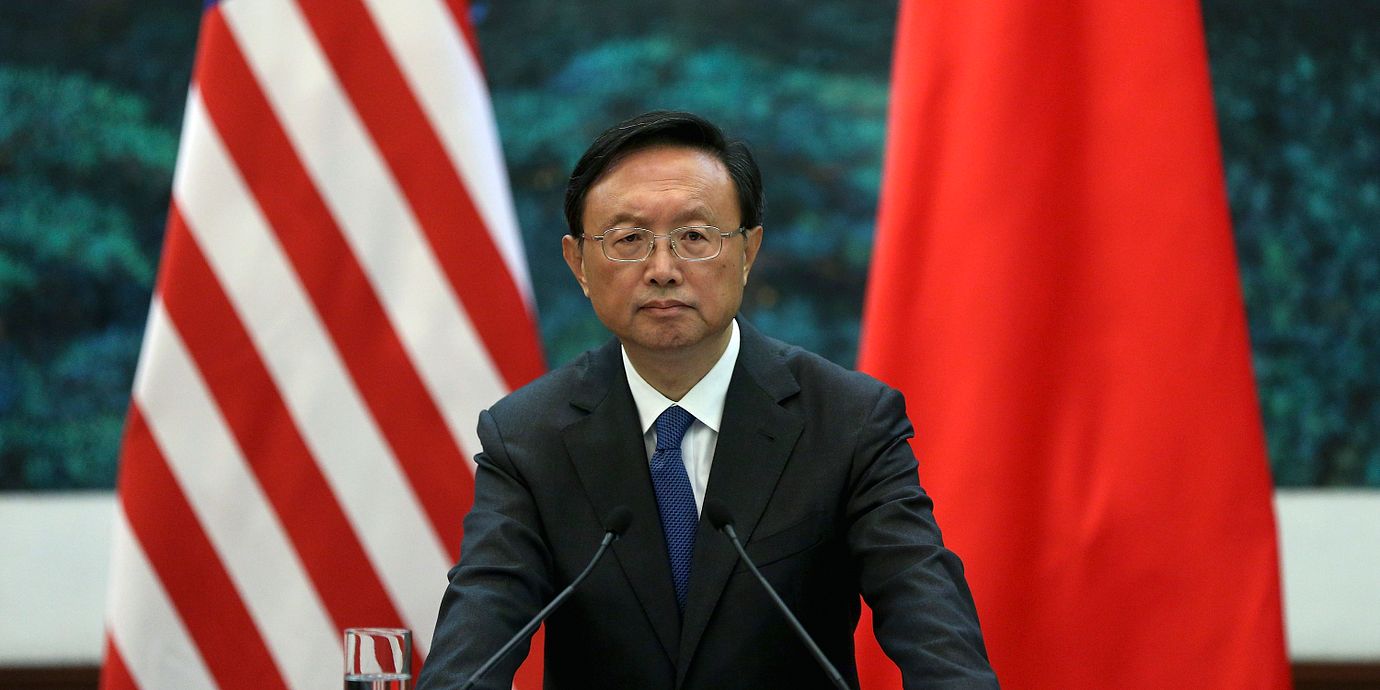
Den förre utrikesministern och president Xi Jinpings särskilde rådgivare Yang Jiechi säger i ett uttalande i statskontrollerade tidningen China Daily att Kinas nysatsning på infrastrukturprojektet Sidenvägen kommer att bidra till ökad internationell handel i en tid när risken för isolationism växer.
Yang framhåller att de ”gemensamma fördelarna” med Sidenvägen kontrasterar med ”allt högre röster mot globalisering” och ett skifte mot ”isolationism, gammaldags tänkande och fragmenterade handelsavtal”, skriver Reuters.

Detta är Kinas nya Sidenvägen
bakgrund
Den historiska Sidenvägen
Wikipedia (en)
The Silk Road or Silk Route was an ancient network of trade routes that were for centuries central to cultural interaction through regions of the Asian continent connecting the East and West from China to the Mediterranean Sea.
While the term is of modern coinage, the Silk Road derives its name from the lucrative trade in Chinese silk carried out along its length, beginning during the Han dynasty (207 BCE – 220 CE). The Han dynasty expanded Central Asian sections of the trade routes around 114 BCE, largely through missions and explorations of the Chinese imperial envoy, Zhang Qian. The Chinese took great interest in the safety of their trade products and extended the Great Wall of China to ensure the protection of the trade route.
Trade on the Silk Road played a significant role in the development of the civilizations of China, the Subcontinent, Persia, Europe, the Horn of Africa and Arabia, opening long-distance political and economic relations between the civilizations. Though silk was certainly the major trade item exported from China, many other goods were traded, and religions, syncretic philosophies, and various technologies, as well as diseases, most notably plague, also spread along the Silk Routes. In addition to economic trade, the Silk Road was a route for cultural trade among the civilizations along its network.
The main traders during antiquity included the Chinese, Arabs, Turkmens, Indians, Persians, Somalis, Greeks, Syrians, Romans, Georgians, Armenians, Bactrians, and (from the 5th to the 8th century) the Sogdians.
In June 2014 UNESCO designated the Chang'an-Tianshan corridor of the Silk Road as a World Heritage Site.
Läs också
Omni är politiskt obundna och oberoende. Vi strävar efter att ge fler perspektiv på nyheterna. Har du frågor eller synpunkter kring vår rapportering? Kontakta redaktionen