Rapport: Födelsetalen i Xinjiang halverade på två år
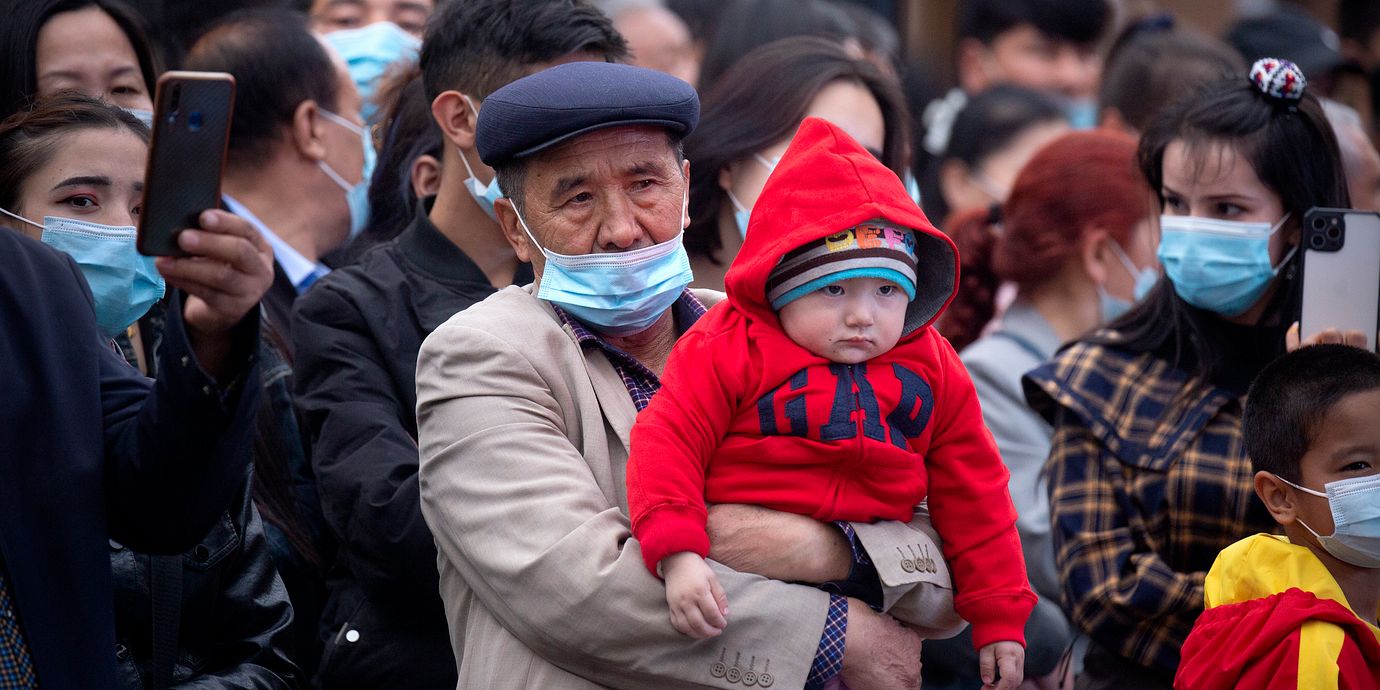
Kina använder repressiva metoder för att kraftigt minska antalet nyfödda barn bland uigurer och andra minoriteter i Xinjiang-provinsen. Det skriver författarna till en australisk rapport som flera internationella medier återger.
Tidigare har det kommit vittnesmål om att Kina tvingar personer ur minoritetsgrupper att sterilisera sig och att använda preventivmedel. Nu kommer siffror som visar att antalet nyfödda barn i Xinjiang minskade med nästan 50 procent mellan 2017 och 2019.
”Vår analys, tillsammans med tidigare rapporter, ger övertygande bevis för att den kinesiska regeringens politik i Xinjiang kan utgöra folkmord”, skriver rapportförfattarna enligt Reuters.
bakgrund
Uigurer
Wikipedia (en)
The Uyghurs ( or ; Uighur: ئۇيغۇرلار, Уйғурлар, IPA: [ujɣurˈlɑr]; simplified Chinese: 维吾尔; traditional Chinese: 維吾爾; pinyin: Wéiwú'ěr, [wěiǔàɚ]), alternatively spelled Uighurs, Uygurs or Uigurs, are a Turkic ethnic group originating from and culturally affiliated with the general region of Central and East Asia. The Uyghurs are recognized as native to the Xinjiang Uyghur Autonomous Region in Northwest China. They are considered to be one of China's 55 officially recognized ethnic minorities. The Uyghurs are recognized by the Chinese government as a regional minority and the titular people of Xinjiang.
The Uyghurs have traditionally inhabited a series of oases scattered across the Taklamakan Desert within the Tarim Basin. These oases have historically existed as independent states or were controlled by many civilizations including China, the Mongols, the Tibetans and various Turkic polities. The Uyghurs gradually started to become Islamized in the 10th century and most Uyghurs identified as Muslims by the 16th century. Islam has since played an important role in Uyghur culture and identity.
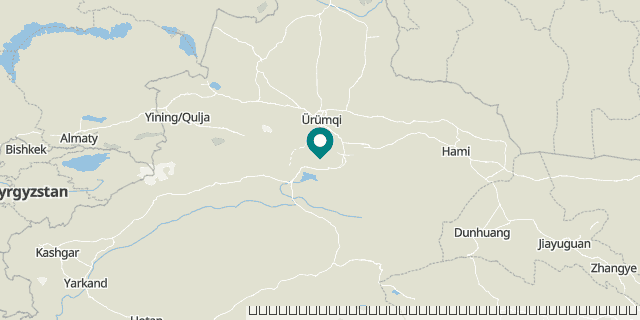
An estimated 80% of Xinjiang's Uyghurs still live in the Tarim Basin. The rest of Xinjiang's Uyghurs mostly live in Ürümqi, the capital city of Xinjiang UAR, which is located in the historical region of Dzungaria. The largest community of Uyghurs living in another region of China are the Uyghurs living in Taoyuan County, in North-Central Hunan. Significant diasporic communities of Uyghurs exist in other Turkic countries such as Kazakhstan, Kyrgyzstan, Uzbekistan, and Turkey. Smaller communities live in Saudi Arabia, Jordan, Australia, Russia and Sweden.
Since 2015, it has been estimated that over a million Uyghurs have been detained in internment camps. The camps were established under General Secretary Xi Jinping's administration with the main goal of ensuring adherence to national ideology. The Chinese government maintains its actions in Xinjiang as justifiable responses to a threat of extremism due to the East Turkestan independence movement and resulting frequent terrorist attacks such as the Baren Township riot, 1997 Ürümqi bus bombings, protests in Ghuljia, June 2009 Shaoguan Incident, the resulting July 2009 Ürümqi riots, 2011 Hotan attack, April 2014 Ürümqi attack, May 2014 Ürümqi attack, 2014 Kunming attack and the 2015 Aksu colliery attack. Critics of China's treatment of Uyghurs have accused the Chinese government of propagating a policy of sinicization in Xinjiang in the 21st century, calling this policy an ethnocide or a cultural genocide, while some governments, activists, independent NGOs, human rights experts, academics, government officials, and the East Turkistan Government-in-Exile have called it a genocide.
Xinjiang
Omni är politiskt obundna och oberoende. Vi strävar efter att ge fler perspektiv på nyheterna. Har du frågor eller synpunkter kring vår rapportering? Kontakta redaktionen