FN överens om historiskt avtal för biologisk mångfald
COP15-länderna har röstat igenom ett ”historiskt” avtal om att skydda den biologiska mångfalden, rapporterar AP. Det kallas för ett slags Parisavtal för naturen. Avtalet kunde röstas igenom trots invändningar från Kongo-Kinshasa.
Huvudpunkten i överenskommelsen är ett mål om att skydda 30 procent av världens land- och havsområden fram till 2030, skriver AP. I nuläget är 17 procent av landområdena och 10 procent av havsområdena skyddade.
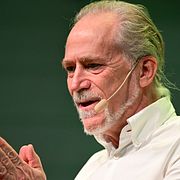
– Det har aldrig funnits ett globalt bevarandemål i den här skalan. Det här ger oss en chans att skydda den biolgiska mångfalden från kollaps, säger Brian O’Donnell, chef för bevarandegruppen Campaign for Nature.
bakgrund
COP15
Wikipedia (en)
The Convention on Biological Diversity (CBD), known informally as the Biodiversity Convention, is a multilateral treaty. The Convention has three main goals: the conservation of biological diversity (or biodiversity); the sustainable use of its components; and the fair and equitable sharing of benefits arising from genetic resources. Its objective is to develop national strategies for the conservation and sustainable use of biological diversity, and it is often seen as the key document regarding sustainable development.
The Convention was opened for signature at the Earth Summit in Rio de Janeiro on 5 June 1992 and entered into force on 29 December 1993. The United States is the only UN member state which has not ratified the Convention. It has two supplementary agreements, the Cartagena Protocol and Nagoya Protocol.
The Cartagena Protocol on Biosafety to the Convention on Biological Diversity is an international treaty governing the movements of living modified organisms (LMOs) resulting from modern biotechnology from one country to another. It was adopted on 29 January 2000 as a supplementary agreement to the CBD and entered into force on 11 September 2003.
The Nagoya Protocol on Access to Genetic Resources and the Fair and Equitable Sharing of Benefits Arising from their Utilization (ABS) to the Convention on Biological Diversity is another supplementary agreement to the CBD. It provides a transparent legal framework for the effective implementation of one of the three objectives of the CBD: the fair and equitable sharing of benefits arising out of the utilization of genetic resources. The Nagoya Protocol was adopted on 29 October 2010 in Nagoya, Japan, and entered into force on 12 October 2014.
2010 was also the International Year of Biodiversity, and the Secretariat of the CBD was its focal point. Following a recommendation of CBD signatories at Nagoya, the UN declared 2011 to 2020 as the United Nations Decade on Biodiversity in December 2010. The Convention's Strategic Plan for Biodiversity 2011-2020, created in 2010, include the Aichi Biodiversity Targets.
The meetings of the Parties to the Convention are known as Conferences of the Parties (COP), with the first one (COP 1) held in Nassau, Bahamas, in 1994 and the most recent one (COP 15) in 2021/2022 in Kunming, China and Montreal, Canada.In the area of marine and coastal biodiversity CBD's focus at present is to identify Ecologically or Biologically Significant Marine Areas (EBSAs) in specific ocean locations based on scientific criteria. The aim is to create an international legally binding instrument (ILBI) involving area-based planning and decision-making under UNCLOS to support the conservation and sustainable use of marine biological diversity beyond areas of national jurisdiction (BBNJ).
Omni är politiskt obundna och oberoende. Vi strävar efter att ge fler perspektiv på nyheterna. Har du frågor eller synpunkter kring vår rapportering? Kontakta redaktionen