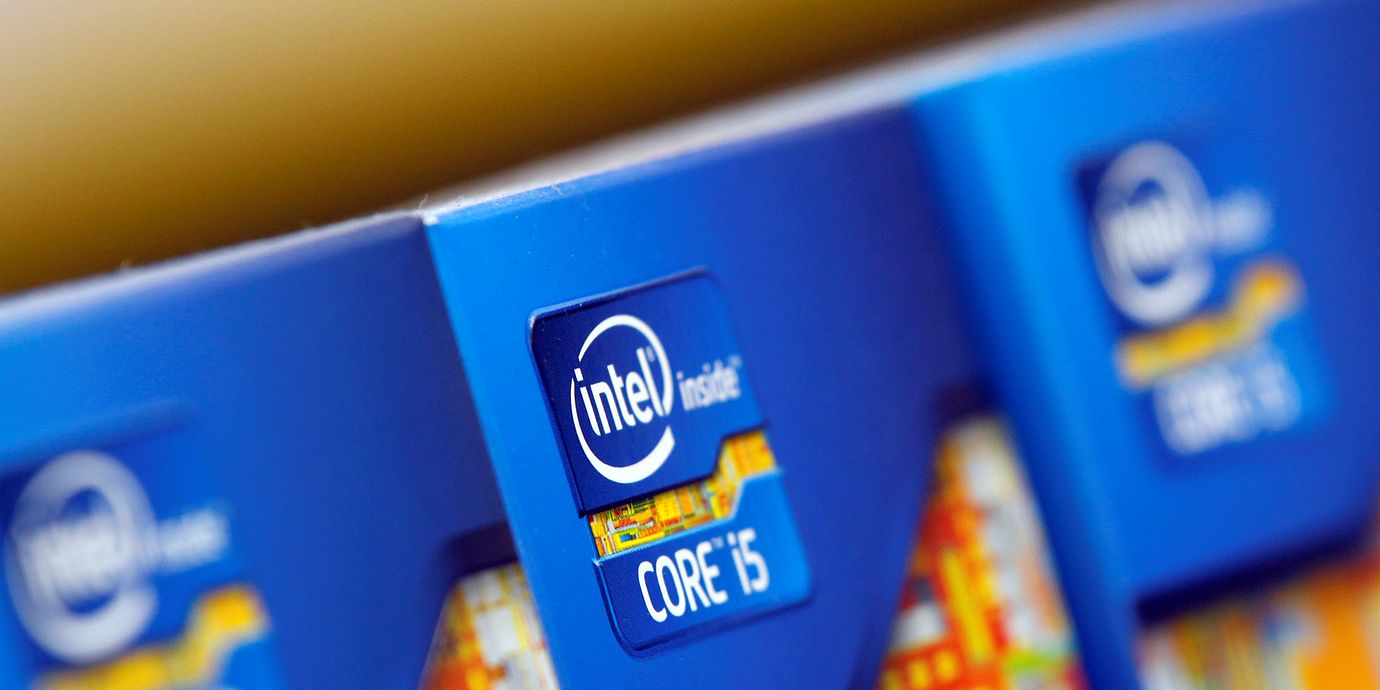
Analys: Chiptillverkarna kan bli ”too big to fail”
Säkerhetshålen i chip från Intel, ARM och Advanced Micro kastar ljus på den förödelse som buggar i en hårdvara som finns i allt fler produkter kan medföra, skriver Breaking Views Liam Proud och Robert Cyran.
”I takt med att halvledare sprider sig till hem, bilar och fabriker genom utvecklingen av ’sakernas internet’ så uppstår risken att ett marknadsledande chip kan göra ett par tillverkare ’too big to fail’”, skriver de syftandes på begreppet som används för att beskriva banker vars existens är viktiga för hela samhället och som inte kan tillåtas gå under.
bakgrund
Too big to fail
Wikipedia (en)
The "too big to fail" theory asserts that certain corporations, particularly financial institutions, are so large and so interconnected that their failure would be disastrous to the greater economic system, and that they therefore must be supported by government when they face potential failure. The colloquial term "too big to fail" was popularized by U.S. Congressman Stewart McKinney in a 1984 Congressional hearing, discussing the Federal Deposit Insurance Corporation's intervention with Continental Illinois. The term had previously been used occasionally in the press.
Proponents of this theory believe that some institutions are so important that they should become recipients of beneficial financial and economic policies from governments or central banks. Some economists such as Paul Krugman hold that economies of scale in banks and in other businesses are worth preserving, so long as they are well regulated in proportion to their economic clout, and therefore that "too big to fail" status can be acceptable. The global economic system must also deal with sovereign states being too big to fail.
Opponents believe that one of the problems that arises is moral hazard whereby a company that benefits from these protective policies will seek to profit by it, deliberately taking positions (see asset allocation) that are high-risk high-return, as they are able to leverage these risks based on the policy preference they receive. The term has emerged as prominent in public discourse since the 2007–08 global financial crisis. Critics see the policy as counterproductive and that large banks or other institutions should be left to fail if their risk management is not effective. Some critics, such as Alan Greenspan, believe that such large organisations should be deliberately broken up: "If they're too big to fail, they're too big". More than fifty prominent economists, financial experts, bankers, finance industry groups, and banks themselves have called for breaking up large banks into smaller institutions.
In 2014, the International Monetary Fund and others said the problem still had not been dealt with. While the individual components of the new regulation for systemically important banks (additional capital requirements, enhanced supervision and resolution regimes) likely reduced the prevalence of TBTF, the fact that there is a definite list of systemically important banks considered TBTF has a partly offsetting impact.
Omni är politiskt obundna och oberoende. Vi strävar efter att ge fler perspektiv på nyheterna. Har du frågor eller synpunkter kring vår rapportering? Kontakta redaktionen