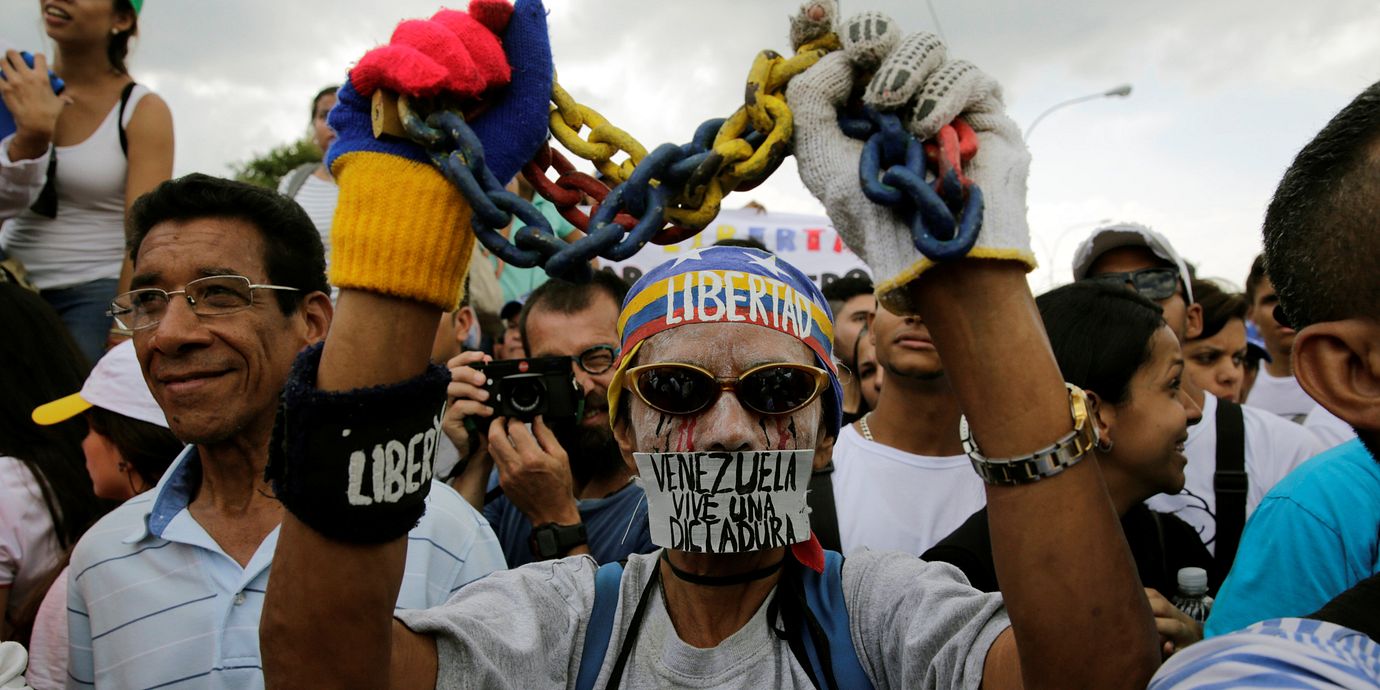
Massprotester i Venezuela – uppgifter om skjutna
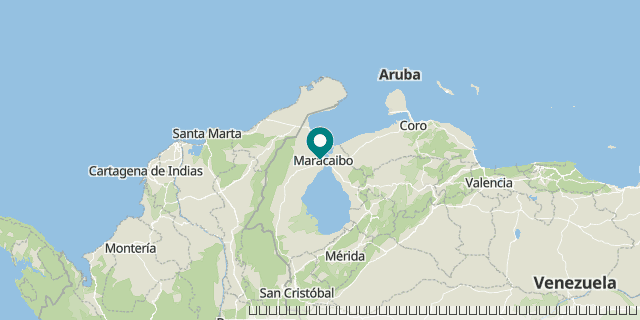
Hundratusentals människor deltog i demonstrationer mot president Nicolas Maduro runt om i Venezuela på onsdagen. Över 20 personer ska ha skadats och ytterligare 39 gripits av polisen, uppger en representant för en aktivistgrupp för AFP. Enligt aktivisterna ska minst tre personer ha skjutits i staden Maracaibo i landets nordvästra delar.
Oppositionen utlyste under dagen en generalstrejk som ska gälla i tolv timmar på fredagen, för att ytterligare öka pressen på Maduro.
bakgrund
Protesterna i Venezuela
Wikipedia (en)
In 2014, a series of protests, political demonstrations, and civil insurrection began in Venezuela due to the country's high levels of urban violence, inflation, and chronic shortages of basic goods attributed to economic policies such as strict price controls. While protests occurred in January 2014, after the murder of actress and former Miss Venezuela Mónica Spear, mass protesting began in earnest that February following the attempted rape of a student on a university campus in San Cristóbal. Subsequent arrests of student protestors spurred their expansion to neighboring cities and the involvement of opposition leaders. The year's early months were characterized by large demonstrations and violent clashes between protestors and government forces that resulted in over 3,000 arrests and 43 deaths, including both supporters and opponents of the government. Toward the end of 2014, and into 2015, continued shortages and low oil prices caused renewed protesting. Into 2016, protests occurred following the controversy surrounding the 2015 Venezuelan parliamentary elections as well as the incidents surrounding the 2016 recall referendum. On 1 September 2016, the largest demonstration of the protests occurred, with over 1 million Venezuelans, or over 3% of the entire nation's population, gathered to demand a recall election against President Maduro, with the event being described as the "largest demonstration in the history of Venezuela".
The majority of protests have been peaceful, consisting of demonstrations, sit-ins, and hunger strikes, with an estimated 52% of protests in opposition to the government and smaller numbers in support of various economic and social policy changes. However, small groups of protestors have been responsible for attacks on public property, such as government buildings and public transportation. Erecting improvised street barricades, dubbed guarimbas, has been the most common form of protest, although their use is controversial. Publications like The New York Times have observed that the protests have exposed a class divide in Venezuela, as the protests have primarily occurred in wealthier urban areas with limited participation from the working-class, despite lower-income areas being hit especially hard by the country's economic struggles.
Nicolas Maduro's government characterized the protests as an undemocratic coup d'etat attempt orchestrated by "fascist" opposition leaders and the United States; he blames capitalism and speculation for causing high inflation rates and goods scarcities as part of an "economic war" being waged on his government. Although Maduro, a former trade union leader, says he supports peaceful protesting, the Venezuelan government has been widely condemned for its handling of the protests. Venezuelan authorities have reportedly gone beyond the use of rubber pellets and tear gas to instances of live ammunition use and torture of arrested protestors, according to organizations like Amnesty International and Human Rights Watch, while the United Nations has accused the Venezuelan government of politically-motivated arrests, most notably former Chacao mayor and leader of Popular Will, Leopoldo Lopez, who has used the controversial charges of murder and inciting violence against him to protest the government's "criminalization of dissent." Other controversies reported during the protests include media censorship and violence by pro-government militant groups known as colectivos.
Maracaibo, Venezuela
Omni är politiskt obundna och oberoende. Vi strävar efter att ge fler perspektiv på nyheterna. Har du frågor eller synpunkter kring vår rapportering? Kontakta redaktionen