Så splittrar brexitbråken ett helt parti: ”Sliter sig självt i stycken”
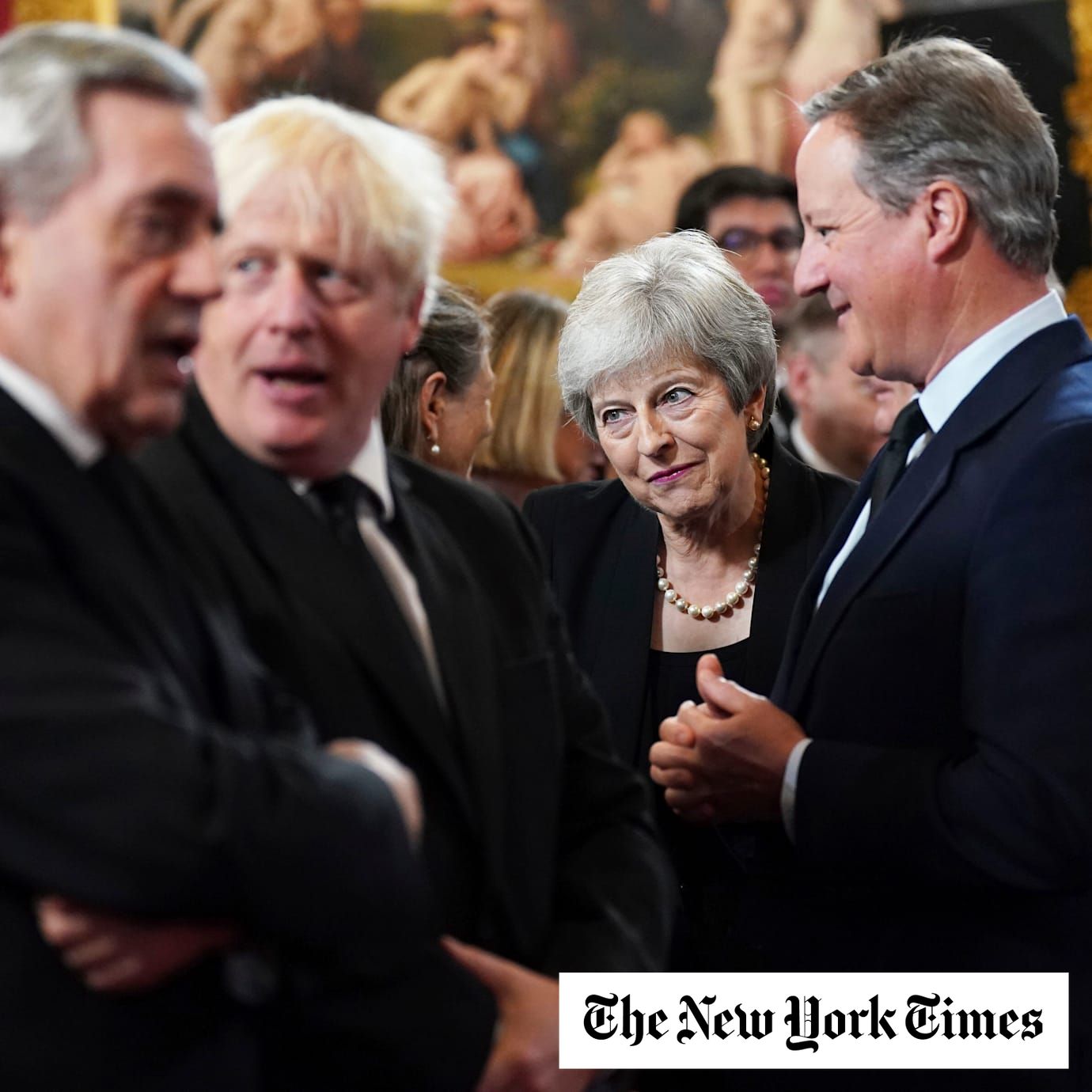
Ideologiskt motsatta fraktioner tycks mer intresserade av att bråka med varandra inom Torypartiet än att styra Storbritannien. Det skriver New York Times efter Lis Truss besked att hon avgår som premiärminister.
Förutom Boris Johnson, som tvingades bort på grund av skandaler kopplade till honom som person, så har varje konservativ premiärminister sedan 2016 – Cameron, May och Truss – fått sluta på grund av brexit.
Tidningen har talat med Oxfordprofessorn Timothy Garton Ash - en uttalad brexitkritiker – som säger att Torypartiet aldrig kommer att kunna samlas på det sätt som krävs för att kunna styra på ett bra sätt.
– Det här är ett parti som sliter sig självt i stycken.
 The New York Times
How Tumultuous Forces of Brexit Divided U.K.’s Conservative Party
Some experts link Liz Truss’s downfall to the ripple effect of Britain’s departure from the European Union and the bitter, ideologically opposed factions it created in her party.
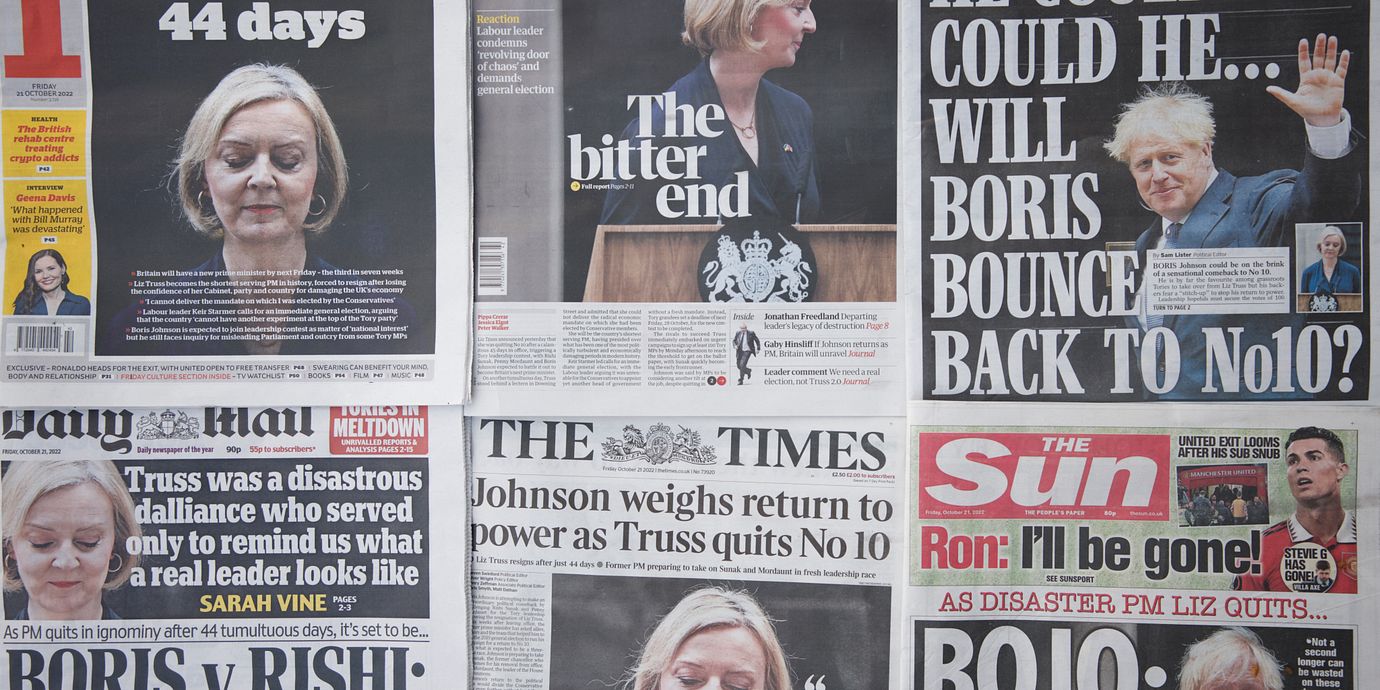
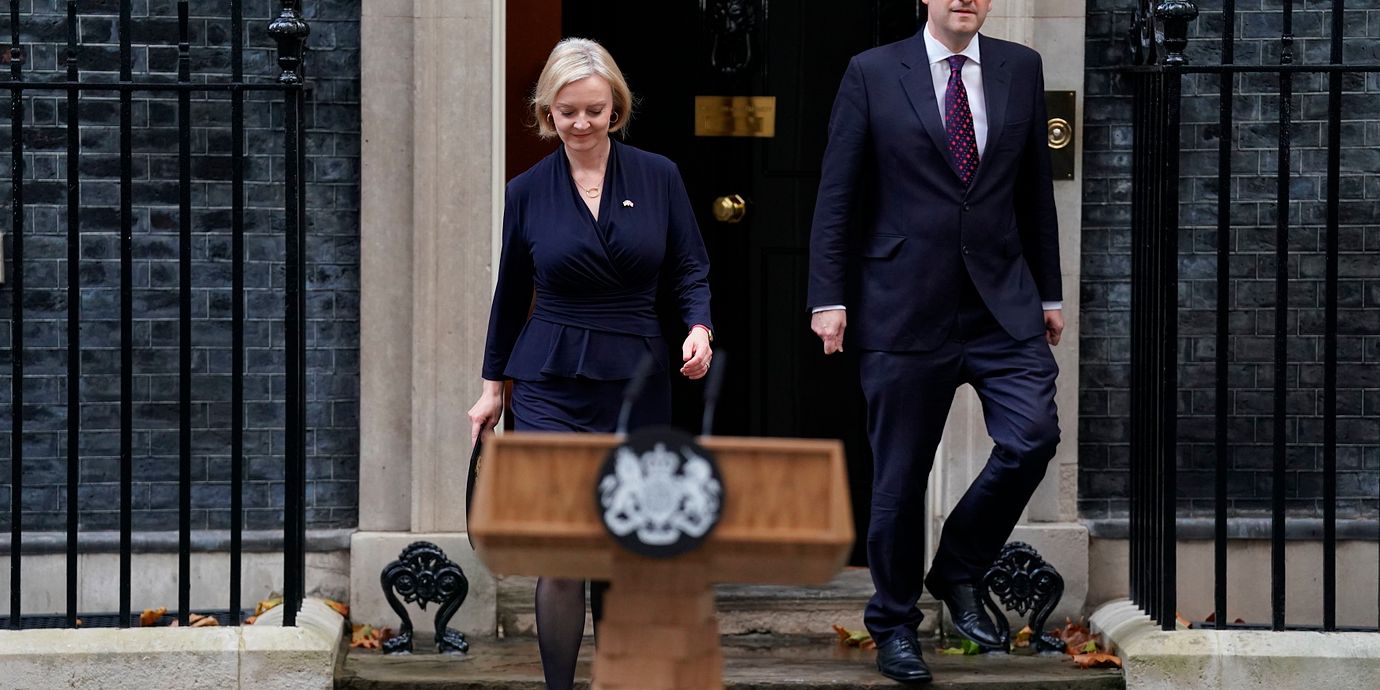
LONDON — When British Prime Minister Liz Truss resigned Thursday after only 44 days in office, she spoke almost wistfully about how the collapse of her economic plans meant she would never achieve her goal of creating a “low-tax, high-growth economy that would take advantage of the freedoms of Brexit.”
Her nostalgia for Britain’s exit from the European Union might be misplaced, at least when it comes to her Conservative Party. Brexit is the fault line that runs through Truss’ ill-fated attempt to transform Britain’s economy, just as it ran through Prime Minister Theresa May’s doomed government, and David Cameron’s before hers.
Except for Boris Johnson, who was forced out because of scandals related to his personal conduct, the forces unleashed by Brexit have undone every Conservative prime minister since 2016. They have also severely divided the party, creating bitter, ideologically opposed factions seemingly more interested in warring with each other than in governing a country with the world’s sixth-largest economy.
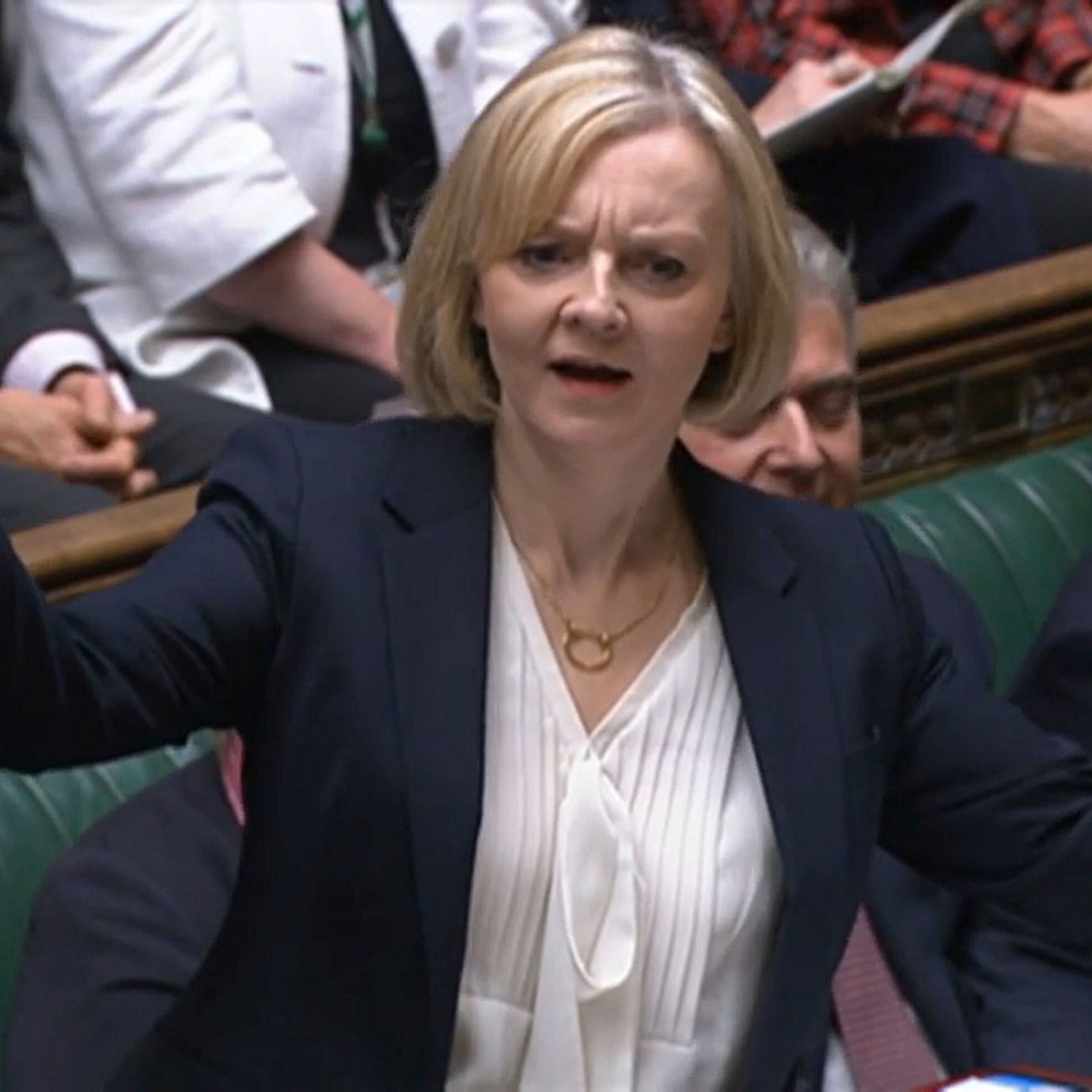
Truss’ calamitous tenure, critics said, is the most extreme example of post-Brexit politics that have now brought the Conservatives to crisis. In the process, it has damaged Britain’s economic standing, its credibility in the markets, and its reputation with the public, which is watching a leadership contest that may return Johnson to the helm of a party that tossed him out only three months ago.
“The Conservatives are never going to recover the coherence that will make for good governance,” said Timothy Garton Ash, a professor of European studies at Oxford University. “This is a party that is tearing itself apart.”
He traced the party’s unraveling from the 2016 referendum, called by Cameron, through May’s futile efforts to craft a softer form of Brexit, to the uncompromising “hard Brexit” of Johnson, and finally to Truss’ experiment in trickle-down economics, which he said bore all of the hallmarks of Brexit thinking, from the derision of expert opinion to the disregard of Britain’s neighbors and the market.
“It’s taking the logic of Brexit to the absurd,” said Garton Ash, who has long lamented the vote to leave.
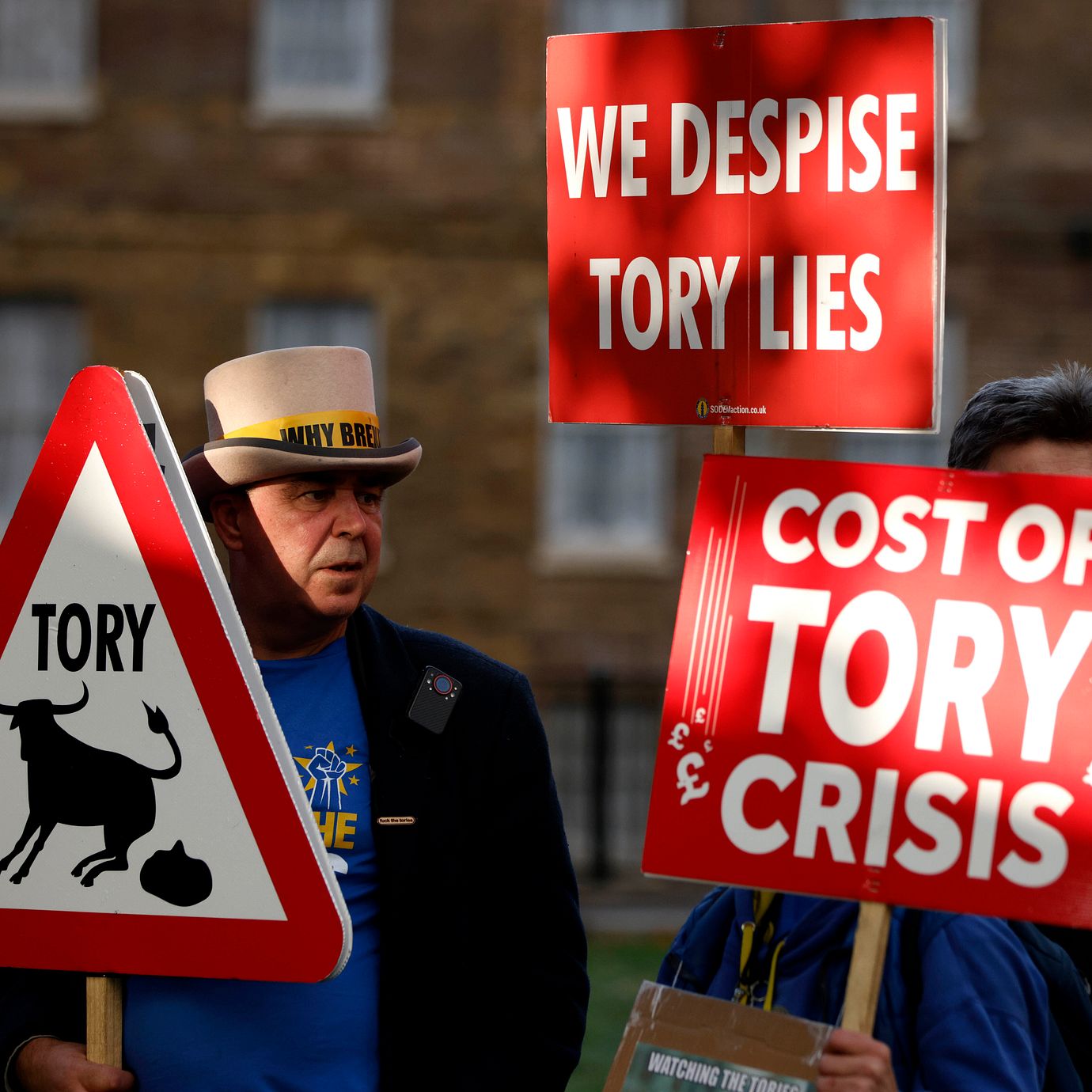
Truss’ tax cuts made Britain an outlier among Western countries, but the factionalism of post-Brexit Britain plagues other European countries, from Italy to Germany, as well as the United States, where some may view the potential return of Johnson as a harbinger for another restless populist, former U.S. President Donald Trump.
In announcing her trickle-down policies, Truss was an evangelist for a particular model of Brexit, an agile, fast-growing, lightly regulated Britain that its backers once branded Singapore-on-Thames. Whether that is a viable economic construct was never tested. Her policies were swiftly rejected by the markets because they were judged to be reckless at a time of double-digit inflation.
But Truss faced equally hostile forces within her own Cabinet, which are fueled by the same nationalistic passions that drove Brexit.
Suella Braverman, the home secretary whom Truss fired this past week ostensibly for violating security rules, attacked Truss for abandoning the party’s promise to cut down immigration numbers. Truss talks tough about illegal immigrants, too, but her policies were shaping up to be more moderate because she believes new arrivals are needed to accelerate Britain’s growth.
The clash between Truss and Braverman was part of a bigger clash between rival camps in the party — a free-market, libertarian wing, exemplified by the prime minister, and a hard-line anti-immigration wing, represented by Braverman. Those views, Braverman argues, are critical to retaining the loyalty of working-class voters in the north of England, who used to back the Labour Party but who propelled the Conservatives to a landslide general election victory in 2019.
The party also has a centrist faction — personified by Truss’ chancellor of the Exchequer, Jeremy Hunt — which embraces small-government, business-friendly policies that predate Brexit. The centrists regained some influence after the market’s repudiation of Truss, when she was forced to hand over the Treasury to Hunt and the home office to one of his allies, Grant Shapps.
Some major party figures, such as Rishi Sunak, who served as chancellor under Johnson and is expected to run in next week’s leadership contest, do not fit neatly into a single group. He voted in favor of Brexit but opposed Truss’ tax cuts, warning that they would cause havoc in the markets.
Quarrels over Britain’s relationship with Europe date back decades in the Conservative Party, of course. Cameron had little choice but to resign after failing to persuade voters to reject a motion to leave in his referendum. May was forced out by her party’s lawmakers after trying to strike compromises with the European Union that made her look, to some, as too conciliatory.
With Johnson having led Britain out of the European Union in 2020, the battles are now over how to shape its post-Brexit society. But they still revolve to a great degree around Europe-related issues, including the flow of asylum-seekers across the English Channel or trade rules in Northern Ireland. Pressure from the party’s hard-liners forced Johnson and Truss to toughen their approach to Northern Ireland, for example.
“The factions are on display in this leadership campaign,” said Tony Travers, a professor of politics at the London School of Economics. “But this is now on a bigger scale and profoundly affects what was once the incredible adherence of the Conservative Party to common-sense and pragmatism.”
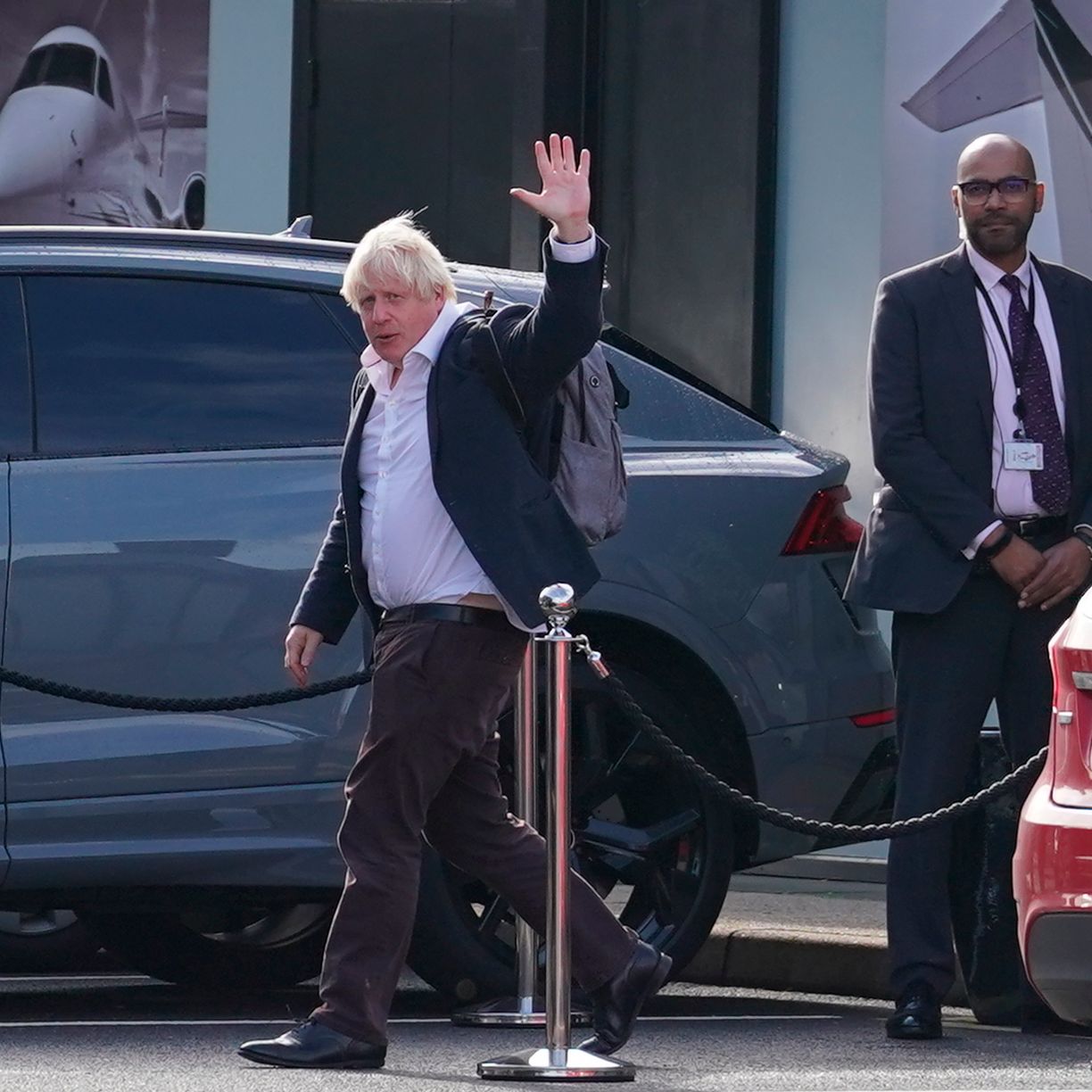
It also helps explain why Johnson, who only six weeks ago left Downing Street under a wreath of scandal that prompted a wholesale mutiny of Conservative lawmakers and a mass walkout of his ministers, suddenly finds himself a plausible candidate to retake control of the party. He returned Saturday from a vacation in the Dominican Republic to lobby lawmakers for votes.
Many Conservative lawmakers, fearful of losing their seats in the next general election, yearn for the political magic of “Get Brexit Done,” the upbeat slogan that Johnson used to unite the party’s affluent southeastern suburbanites with the so-called red wall voters in the Midlands and north. They are willing to accept Johnson, even with his ethical flaws, for the big-tent appeal he once commanded.
“The advantage that Boris has is that he’s not interested in these factions,” Travers said. “He’s not interested in ideology but in power. And the reason the members want him back is because they think he can help them stay in power.”
© 2022 The New York Times Company. Read the original article at The New York Times.