Ny kärnkraftsvår i USA: ”Mer upplysningstid än renässans”
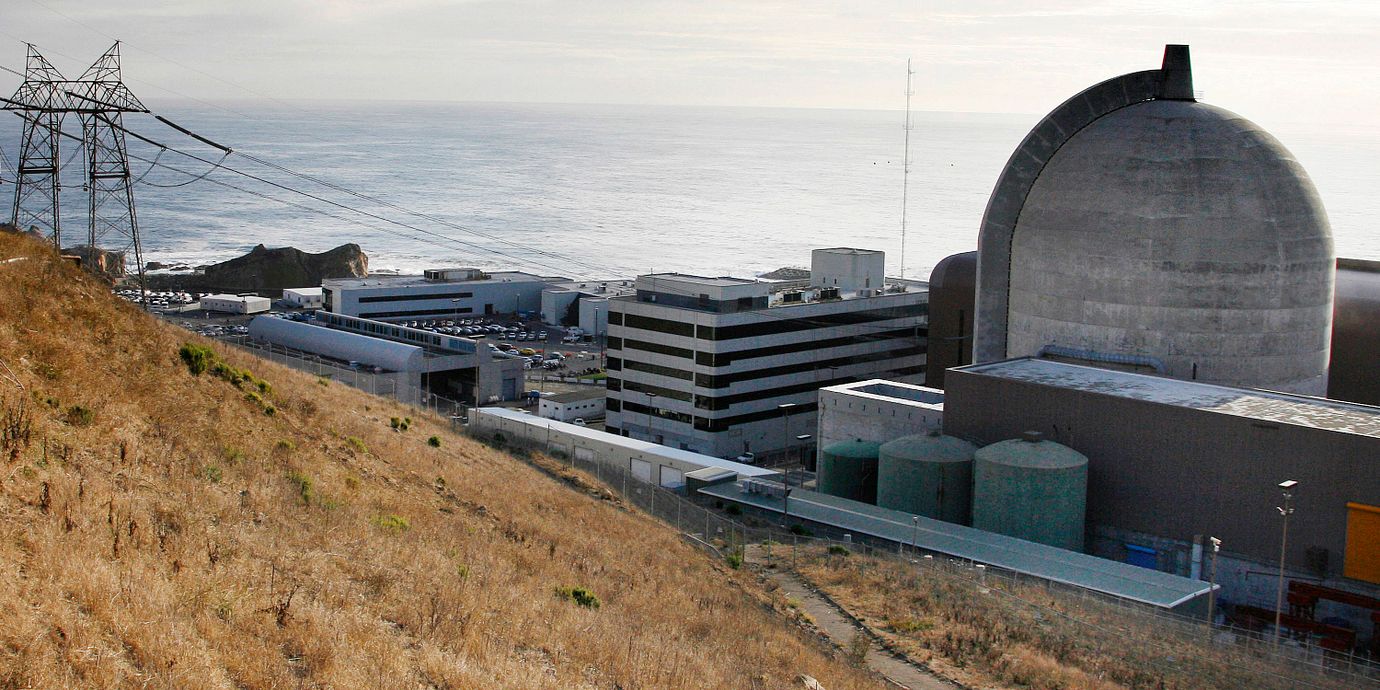
Synen på kärnkraft har svängt kraftigt i USA och nytt statligt stöd blåste liv i sektorn 2022, skriver Financial Times. Omkring 5 miljarder dollar i privat kapital investerades under året i företag som arbetar med utvecklingen av nya reaktorer. Ovanpå det är statliga investeringar på uppemot 40 miljarder dollar på väg.
Ryan Norman på tankesmedjan Third Way pekar på att Vita huset varit tydliga med att kärnkraften kommer att fortsätta spela en avgörande roll för energiförsörjningen.
Craig Piercy på American Nuclear Society beskriver investeringarna under de senaste 18 månaderna som början på en historisk vändpunkt för tekniken.
– Det vi ser just nu är mer av upplysningstid än en renässans, säger han till FT
bakgrund
Kärnkraft i USA
Wikipedia (en)
Nuclear power in the United States is provided by 92 commercial reactors with a net capacity of 94.7 gigawatts (GW), with 61 pressurized water reactors and 31 boiling water reactors. In 2019, they produced a total of 809.41 terawatt-hours of electricity, which accounted for 20% of the nation's total electric energy generation. In 2018, nuclear comprised nearly 50 percent of US emission-free energy generation.As of September 2017, there are two new reactors under construction with a gross electrical capacity of 2,500 MW, while 39 reactors have been permanently shut down. The United States is the world's largest producer of commercial nuclear power, and in 2013 generated 33% of the world's nuclear electricity. With the past and future scheduled plant closings, China and Russia could surpass the United States in nuclear energy production.As of October 2014, the Nuclear Regulatory Commission (NRC) has granted license renewals providing 20-year extensions to a total of 74 reactors. In early 2014, the NRC prepared to receive the first applications of license renewal beyond 60 years of reactor life as early as 2017, a process which by law requires public involvement. Licenses for 22 reactors are due to expire before the end of 2029 if no renewals are granted. Pilgrim Nuclear Power Station in Massachusetts was the most recent nuclear power plant to be decommissioned, on June 1, 2019. Another five aging reactors were permanently closed in 2013 and 2014 before their licenses expired because of high maintenance and repair costs at a time when natural gas prices had fallen: San Onofre 2 and 3 in California, Crystal River 3 in Florida, Vermont Yankee in Vermont, and Kewaunee in Wisconsin. In April 2021, New York State permanently closed Indian Point in Buchanan, 30 miles from New York City.Most reactors began construction by 1974; following the Three Mile Island accident in 1979 and changing economics, many planned projects were cancelled. More than 100 orders for nuclear power reactors, many already under construction, were canceled in the 1970s and 1980s, bankrupting some companies. Up until 2013, there had also been no ground-breaking on new nuclear reactors at existing power plants since 1977. Then in 2012, the NRC approved construction of four new reactors at existing nuclear plants. Construction of the Virgil C. Summer Nuclear Generating Station Units 2 and 3 began on March 9, 2013, but was abandoned on July 31, 2017, after the reactor supplier Westinghouse filed for bankruptcy protection in March 2017. On March 12, 2013, construction began on the Vogtle Electric Generating Plant Units 3 and 4. The target in-service date for Unit 3 is November 2021. On October 19, 2016, TVA's Unit 2 reactor at the Watts Bar Nuclear Generating Station became the first US reactor to enter commercial operation since 1996.
In 2006 the Brookings Institution, a public policy organization, stated that new nuclear units had not been built in the United States because of soft demand for electricity, the potential cost overruns on nuclear reactors due to regulatory issues and resulting construction delays.There was a revival of interest in nuclear power in the 2000s, with talk of a "nuclear renaissance", supported particularly by the Nuclear Power 2010 Program. A number of applications were made, but facing economic challenges, and later in the wake of the 2011 Fukushima Daiichi nuclear disaster, most of these projects have been cancelled.
Omni är politiskt obundna och oberoende. Vi strävar efter att ge fler perspektiv på nyheterna. Har du frågor eller synpunkter kring vår rapportering? Kontakta redaktionen