Modi lovar kontanter och billiga lån efter sedelkaos
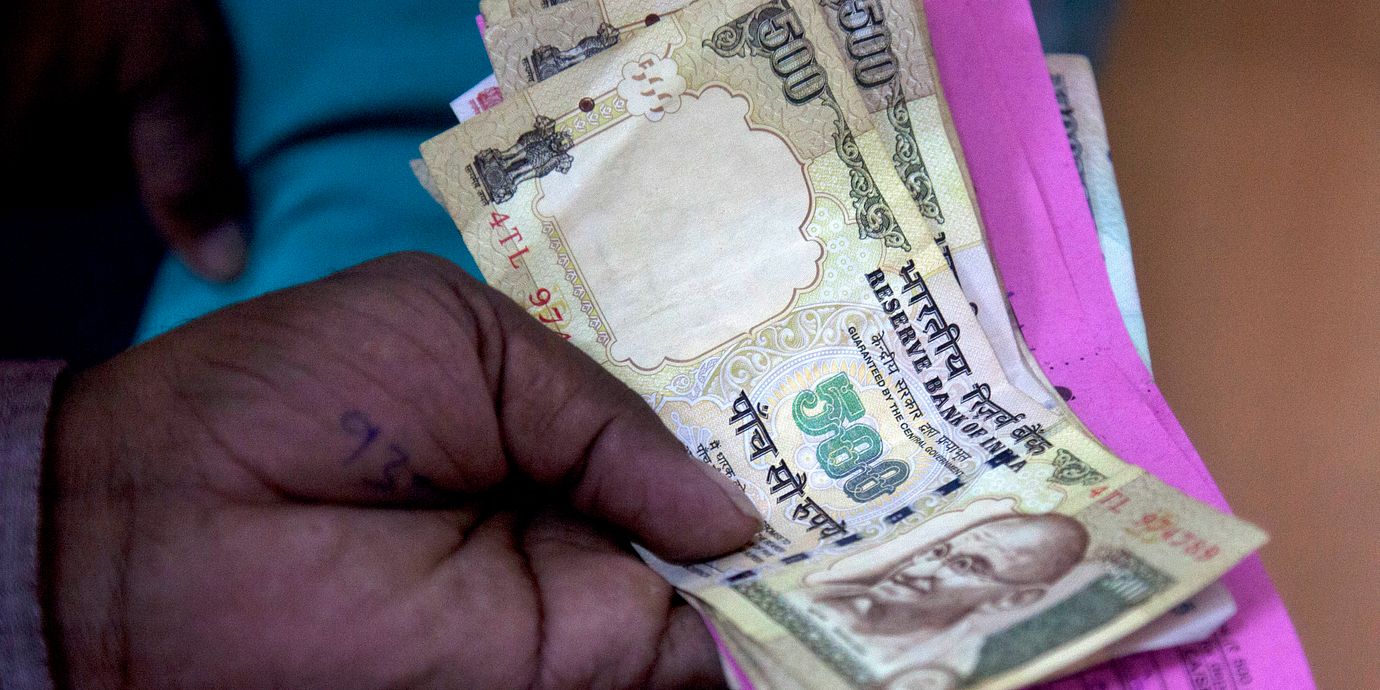
Indiens premiärminister Narendra Modi lovar sänkta räntor på bostadslån, ökade kreditgarantier för småföretagare, sänkta skatter för kvinnor och kontantutdelningar. De ekonomiska lättnaderna för delar av befolkningen följer på veckor av oro sedan regeringen i november beslutade att ogiltigförklara alla sedlar av valörerna 500 och 1 000, som utgjorde 85 procent av kontanterna i landet. I sitt nyårstal sa Modi att beslutet var en ”historisk reningsritual”, skriver AP.
Om några veckor väntas regeringen presentera sin budget.
bakgrund
Indiska sedelbeslutet
Wikipedia (en)
Demonetization is the act of stripping a currency unit of its status as legal tender. The demonetisation of ₹500 and ₹1,000 banknotes was a policy enacted by the Government of India on 8 November 2016, ceasing the usage of all ₹500 (US$7.40) and ₹1,000 (US$15) banknotes of the Mahatma Gandhi Series as legal tender in India from 9 November 2016.
The announcement was made by the Prime Minister of India Narendra Modi in an unscheduled live televised address at 20:00 Indian Standard Time (IST) on 8 November. In the announcement, Modi declared that use of all ₹500 and ₹1,000 banknotes of the Mahatma Gandhi Series would be invalid after midnight of that day, and announced the issuance of new ₹500 and ₹2,000 banknotes of the Mahatma Gandhi New Series in exchange for the old banknotes. However, the banknote denominations of ₹100, ₹50, ₹20, ₹10 and ₹5 of the Mahatma Gandhi Series and ₹2 and ₹1 remained legal tender and were unaffected by the policy.
The government claimed that the demonetization was an effort to stop counterfeiting of the current banknotes allegedly used for funding terrorism, as well as a crack down on black money in the country. The move was also described as an effort to reduce corruption, the use of drugs, and smuggling.
However, in the days following the demonetization, banks and ATMs across the country faced severe cash shortages with severe detrimental effects on a number of small businesses, agriculture, and transportation. People seeking to exchange their notes had to stand in lengthy queues, and several deaths were linked to the inconveniences caused due to the rush to exchange cash. Also, following the announcement, the BSE SENSEX and NIFTY 50 stock indices crashed for the next two days.
Initially, the move received support from several bankers as well as from some international commentators. It was heavily criticised by members of the opposition parties, leading to debates in both houses of parliament and triggering organised protests against the government in several places across India. As the cash shortages grew in the weeks following the move, the demonetisation was heavily criticised by prominent economists, such as Kaushik Basu, Paul Krugman, Amartya Sen and Steve Forbes.
Omni är politiskt obundna och oberoende. Vi strävar efter att ge fler perspektiv på nyheterna. Har du frågor eller synpunkter kring vår rapportering? Kontakta redaktionen