AI-drivna botarméer kan bli hot mot demokratin
Politiska ledare kan snart använda AI-agenter för att påverka opinionen på ett sätt som underminerar demokratin. Det varnar framstående experter för i vetenskapstidskriften Science.
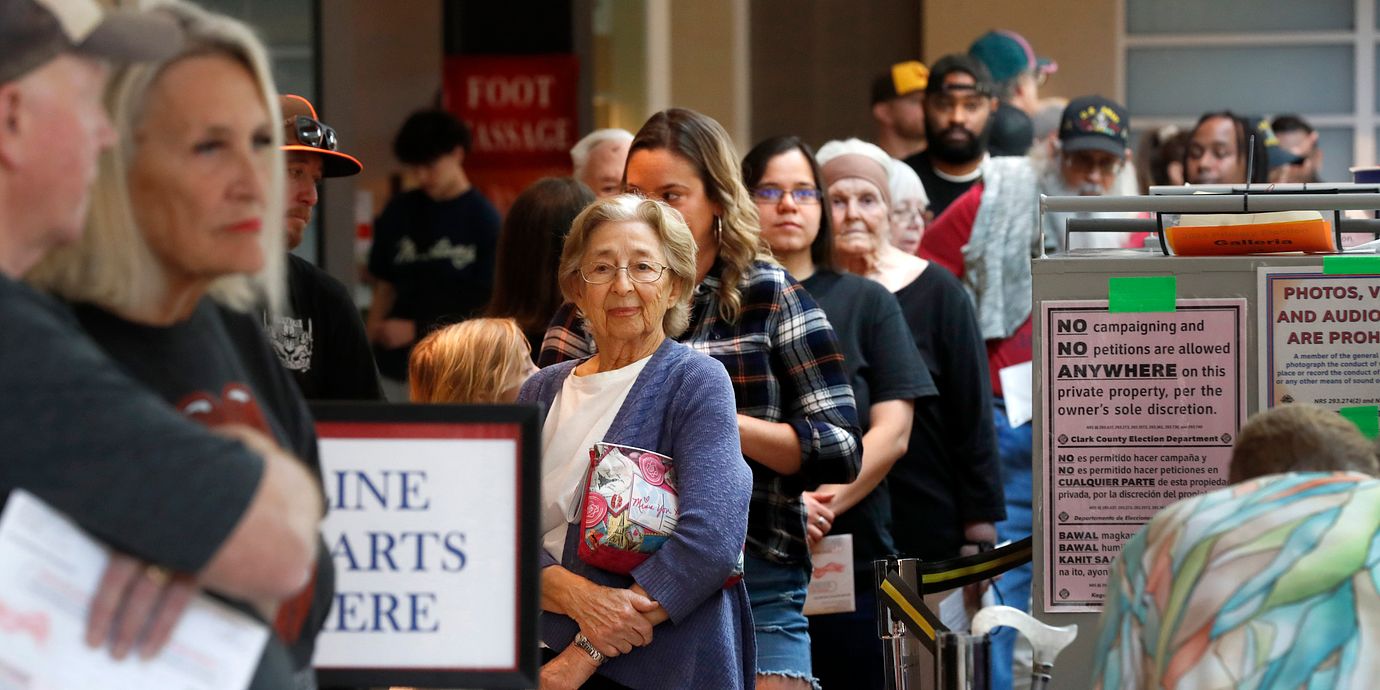
En blivande autokrat kan exempelvis skapa nästan obegränsade mängder AI-styrda botkonton som utger sig för att vara människor. Dessa ”botarméer” kan få människor att acceptera inställda val eller ifrågasätta och omkullkasta valresultat.
Experterna, bland dem Nobelpristagaren Maria Ressa och forskare från Harvard och Oxford, varnar för att det här skulle kunna användas i stor skala inför presidentvalet i USA 2028.
Existentiella risker med artificiell intelligens
Wikipedia (en)
Existential risk from artificial intelligence, or AI x-risk, refers to the idea that substantial progress in artificial general intelligence (AGI) could lead to human extinction or an irreversible global catastrophe.
One argument for the validity of this concern and the importance of this risk references how human beings dominate other species because the human brain possesses distinctive capabilities other animals lack. If AI were to surpass human intelligence and become superintelligent, it might become uncontrollable. Just as the fate of the mountain gorilla depends on human goodwill, the fate of humanity could depend on the actions of a future machine superintelligence.
Experts disagree on whether artificial general intelligence (AGI) can achieve the capabilities needed for human extinction. Debates center on AGI's technical feasibility, the speed of self-improvement, and the effectiveness of alignment strategies. Concerns about superintelligence have been voiced by researchers including Geoffrey Hinton, Yoshua Bengio, Demis Hassabis, and Alan Turing, and AI company CEOs such as Dario Amodei (Anthropic), Sam Altman (OpenAI), and Elon Musk (xAI). In 2022, a survey of AI researchers with a 17% response rate found that the majority believed there is a 10 percent or greater chance that human inability to control AI will cause an existential catastrophe. In 2023, hundreds of AI experts and other notable figures signed a statement declaring, "Mitigating the risk of extinction from AI should be a global priority alongside other societal-scale risks such as pandemics and nuclear war". Following increased concern over AI risks, government leaders such as United Kingdom prime minister Rishi Sunak and United Nations Secretary-General António Guterres called for an increased focus on global AI regulation.
Two sources of concern stem from the problems of AI control and alignment. Controlling a superintelligent machine or instilling it with human-compatible values may be difficult. Many researchers believe that a superintelligent machine would likely resist attempts to disable it or change its goals as that would prevent it from accomplishing its present goals. It would be extremely challenging to align a superintelligence with the full breadth of significant human values and constraints. In contrast, skeptics such as computer scientist Yann LeCun argue that superintelligent machines will have no desire for self-preservation. A June 2025 study showed that in some circumstances, models may break laws and disobey direct commands to prevent shutdown or replacement, even at the cost of human lives.
Researchers warn that an "intelligence explosion"—a rapid, recursive cycle of AI self-improvement—could outpace human oversight and infrastructure, leaving no opportunity to implement safety measures. In this scenario, an AI more intelligent than its creators would recursively improve itself at an exponentially increasing rate, too quickly for its handlers or society at large to control. Empirically, examples like AlphaZero, which taught itself to play Go and quickly surpassed human ability, show that domain-specific AI systems can sometimes progress from subhuman to superhuman ability very quickly, although such machine learning systems do not recursively improve their fundamental architecture.
Omni är politiskt obundna och oberoende. Vi strävar efter att ge fler perspektiv på nyheterna. Har du frågor eller synpunkter kring vår rapportering? Kontakta redaktionen