Beduiner: Vi bekämpar IS utan att skjuta ett skott
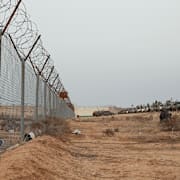
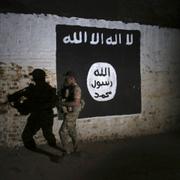
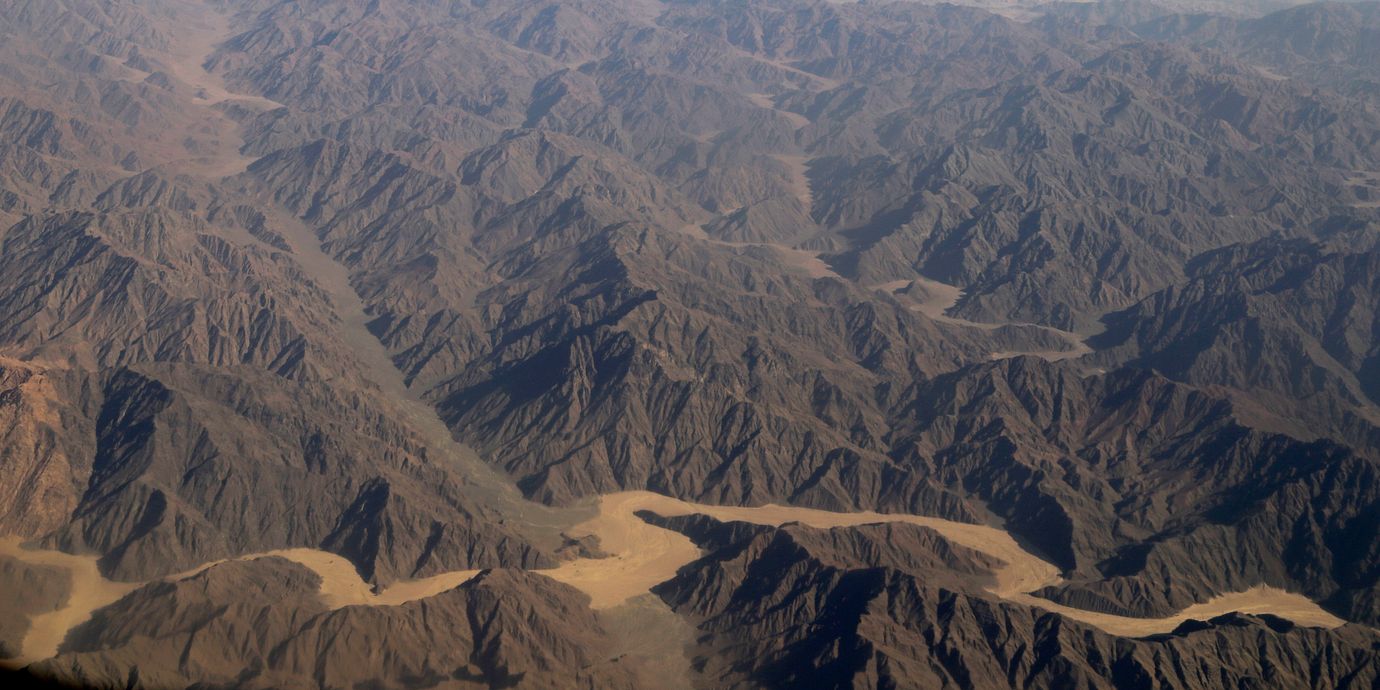
Beduinska klaner tar på sig äran för att terrorgruppen Islamiska staten hindras från att göra landvinningar längre söderut på Sinaihalvön i Egypten.
– Vi har stoppat IS ett tjugotal gånger. Vi åkte ut med över 50 bilar och slog tillbaka, och lät dem veta att de inte är tillåtna i vårt område. Vi avfyrade inte ett enda skott för då skulle vi ha fått (klan)krig, säger beduinledare som CNN träffat på plats.
De menar att IS skräms av beduinklanernas enighet och mängden vapen som de har tillgång till.
På den norra delen av Sinai har egyptiska trupper stridit mot IS-grupperingar under flera år. Enligt armén har hundratals militanta extremister dödats.
bakgrund
Bedouin
Wikipedia (en)
The Bedouin (/ˈbɛdʉ.ɪn/, also Bedouins; from the Arabic badw بَدْو or badawiyyīn/badawiyyūn/"Al Buainain بَدَوِيُّون, plurals of badawī بَدَوِي) are an Arab seminomadic group, descended from nomads who have historically inhabited the Arabian and Syrian Deserts. Their name means "desert dwellers" in Arabic. Their territory stretches from the vast deserts of North Africa to the rocky sands of the Middle East. They are traditionally divided into tribes, or clans (known in Arabic as ʿashāʾir; عَشَائِر) and share a common culture of herding camels and goats.
The Bedouin form a part of, but are not synonymous with, the modern concept of the Arabs. Bedouins have been referred to by various names throughout history, including Qedarites in the Old Testament and "Araba'a" by the Assyrians (ar-ba-a-a being a nisba of the noun Arab, a name still used for Bedouins today). They are referred to as the A'raab (أعراب) in the Koran.
While many Bedouins have abandoned their nomadic and tribal traditions for modern urban lifestyle, they retain traditional Bedouin culture with concepts of belonging to ʿašāʾir, traditional music, poetry, dances (like Saas), and many other cultural practices. Urbanised Bedouins also organise cultural festivals, usually held several times a year, in which they gather with other Bedouins to partake in, and learn about, various Bedouin traditions - from poetry recitation and traditional sword dances, to classes teaching traditional tent knitting and playing traditional Bedouin musical instruments. Traditions like camel riding and camping in the deserts are also popular leisure activities for urbanised Bedouins who live within close proximity to deserts or other wilderness areas.
bakgrund
Grupper bland beduiner har gjort sig ökända för att kidnappa och tortera eritreaner
Wikipedia (en)
Since 2011, reports of a series of organized kidnappings for ransom have emerged from Sinai. Refugees from various countries, are transported to Sinai and held hostage by members of Bedouin tribes. Typically, the hostages are forced to give up phone numbers of relatives and are tortured with the relatives on the phone, in order to obtain ransoms in the range of $20,000 - $40,000. If the families can't pay, the hostages are killed.
Many of the hostages, refugees from Sudan, Ethiopia or Eritrea, paid traffickers for transport to the Israeli border, hoping to cross into that country. They were instead taken hostage by those they had paid. Others were taken by force from refugee camps in Sudan, as reported by the United Nations Refugee Agency in January 2013. Amnesty International published a report about numerous kidnappings in 2011-2013 in the Shagarab refugee camps in eastern Sudan, carried out by members of the Rashaida tribe, with victims being sold off to gangs in Sinai, where they would be brutally mistreated to extract ransoms. In 2012 Israel constructed a fence at its border to Sinai to keep out African migrants, causing the Rashaida to lose income from transporting refugees to the border; they then started to concentrate on kidnappings instead.
German journalist Michael Obert visited the region in 2013, met a victim and a torturer and talked to an activist of the New Generation Foundation for Human Rights in Al-Arish. The organization has documented hundreds of cases of mutilated corpses of Africans found in the desert. Obert reported that some Islamist militants were using force to try to stop the kidnapper gangs. He described a lawless and impoverished region where children were looking forward to grow up to become kidnappers.
The Egypt–Israel Peace Treaty of 1979 limits the number of Egyptian forces that can be deployed in Sinai. After the Egyptian Revolution of 2011, security forces have largely abandoned the peninsula.
A 2011 CNN documentary reported on Eritrean refugees who had paid Bedouin traffickers for transport to Israel but were instead held in bondage before their organs were harvested. In 2013 the Al-Arish activist presented photos of corpses from which organs had been professionally removed and claimed to have seen mobile operation units.
In February 2011, Physicians for Human Rights-Israel reported that some 190 Eritrean and Ethiopian refugees were being held hostage in Sinai, and that numerous refugee women reported having been raped on their trip to Israel. In 2013, the same organization estimated that about 1,000 refugees were being held in Sinai hostage camps, and that in total about 7,000 refugees had been abused in these camps, resulting in more than 4,000 deaths.
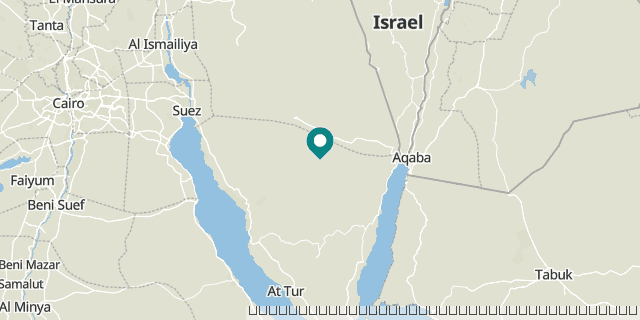
Sinaihalvön
Omni är politiskt obundna och oberoende. Vi strävar efter att ge fler perspektiv på nyheterna. Har du frågor eller synpunkter kring vår rapportering? Kontakta redaktionen