Biden säkrar majoritet av delegaterna i primärvalet
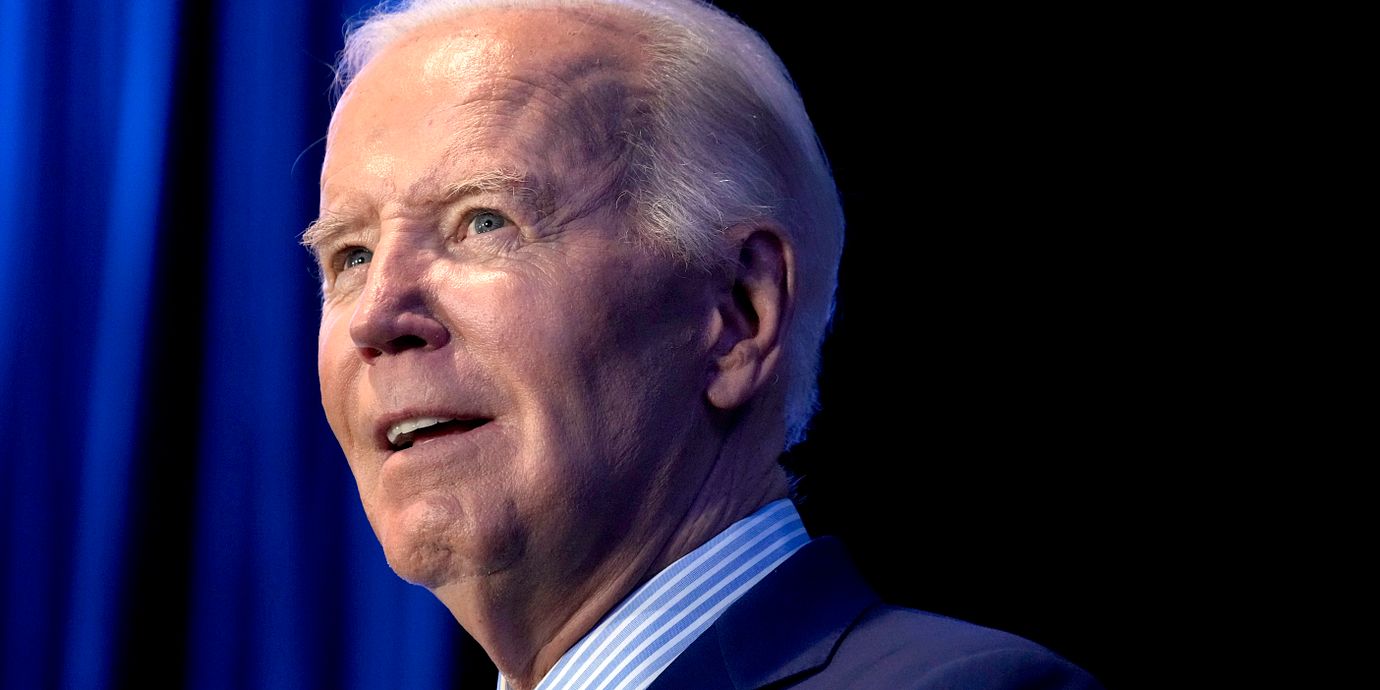
USA:s president Joe Biden har säkrat en majoritet av delegaterna i demokraternas primärval, enligt flera amerikanska medier.
Beskedet innebär att Biden officiellt kommer bli partiets presidentkandidat i valet i höst.
Att Joe Biden skulle knipa nomineringen var mycket väntat då han inte har kvar några motståndare av betydelse. De sista delegaterna säkrades under nattens val i delstaten Georgia.
bakgrund
Amerikanska primärvalen
Wikipedia (en)
Each of the 50 U.S. states, the District of Columbia, and territories of the United States holds either primary elections or caucuses to help nominate individual candidates for president of the United States. This process is designed to choose the candidates that will represent their political parties in the general election.
The United States Constitution has never specified this process; political parties have developed their own procedures over time. Some states hold only primary elections, some hold only caucuses, and others use a combination of both. These primaries and caucuses are staggered, generally beginning sometime in January or February, and ending about mid-June before the general election in November. State and local governments run the primary elections, while caucuses are private events that are directly run by the political parties themselves. A state's primary election or caucus is usually an indirect election: instead of voters directly selecting a particular person running for president, they determine the number of delegates each party's national convention will receive from their respective state. These delegates then in turn select their party's presidential nominee. The first state in the United States to hold its presidential primary was North Dakota in 1912, following on Oregon's successful implementation of its system in 1910.Each party determines how many delegates it allocates to each state. Along with those "pledged" delegates chosen during the primaries and caucuses, state delegations to both the Democratic and Republican conventions also include "unpledged" delegates who have a vote. For Republicans, they consist of the three top party officials who serve At Large from each state and territory. Democrats have a more expansive group of unpledged delegates called "superdelegates", who are party leaders and elected officials (PLEO). If no single candidate has secured an absolute majority of delegates (including both pledged and unpledged), then a "brokered convention" occurs: all pledged delegates are "released" after the first round of voting and are able to switch their allegiance to a different candidate, and then additional rounds take place until there is a winner with an absolute majority.
The staggered nature of the presidential primary season allows candidates to concentrate their resources in each area of the country one at a time instead of campaigning in every state simultaneously. In some of the less populous states, this allows campaigning to take place on a much more personal scale. However, the overall results of the primary season may not be representative of the U.S. electorate as a whole: voters in Iowa, New Hampshire and other less populous states which traditionally hold their primaries and caucuses in late-January/February usually have a major impact on the races, while voters in California and other large states which traditionally hold their primaries in June generally end up having no say because the races are usually over by then. As a result, more states vie for earlier primaries, known as "front-loading", to claim a greater influence in the process. The national parties have used penalties and awarded bonus delegates in efforts to stagger the system over broadly a 90-day window. Where state legislatures set the primary or caucus date, sometimes the out-party in that state has endured penalties in the number of delegates it can send to the national convention.
Omni är politiskt obundna och oberoende. Vi strävar efter att ge fler perspektiv på nyheterna. Har du frågor eller synpunkter kring vår rapportering? Kontakta redaktionen