Efter Netanyahu – nu får Trump besök av Abbas
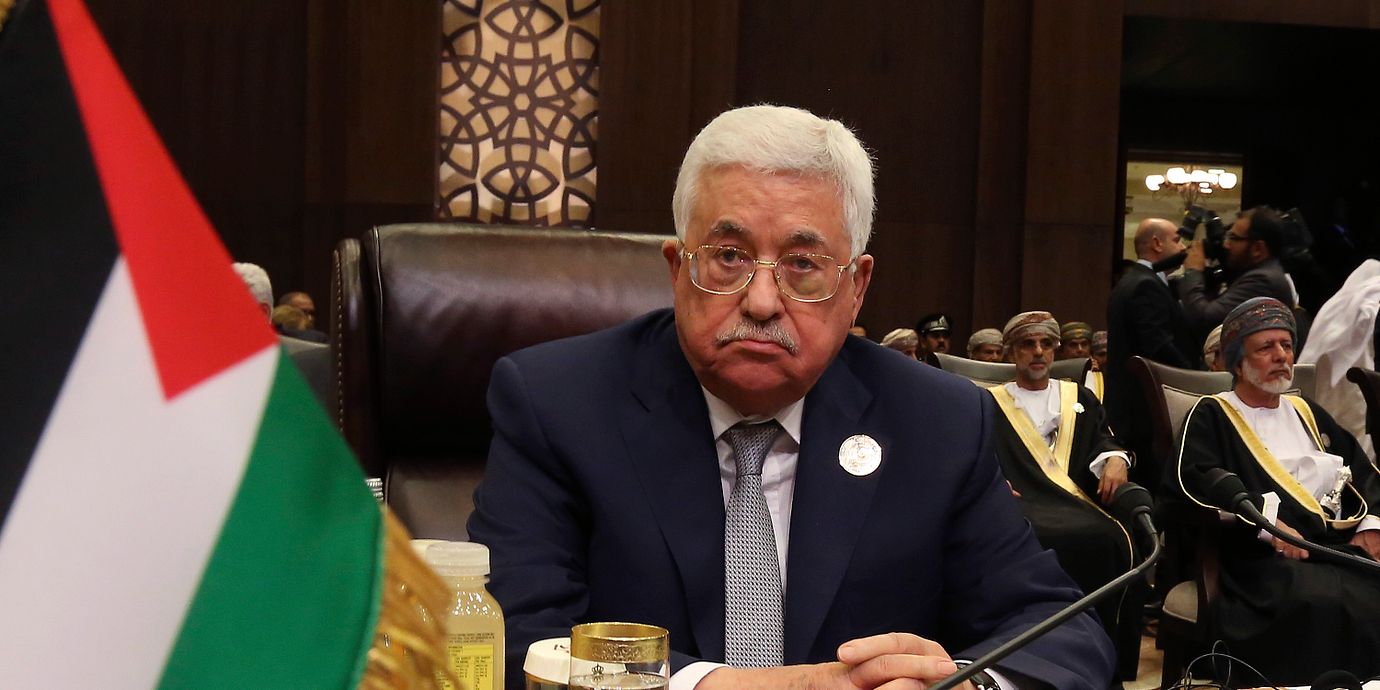
President Donald Trump har under onsdagen haft den palestinske ledaren Mahmoud Abbas på besök, som ett led i försöken att få ett slut på konflikten mellan Israel och Palestina. Det skriver AFP. Besöket i Vita huset är det första för Abbas del sedan Trump tillträdde.
– Presidentens målsättning är att mäkla fred i regionen, säger Vita husets pressekreterare Sean Spicer enligt nyhetsbyrån.
I februari besöktes Trump av Israels premiärminister Benjamin Netanyahu. Då lovade presidenten att den amerikanska ambassaden ska flyttas från Tel Aviv till Jerusalem, samtidigt som han drog tillbaka USA:s stöd för tvåstatslösningen. Båda beskeden gick stick i stäv med den traditionella amerikanska linjen.
bakgrund
Israel–Palestina-konflikten
Wikipedia (sv)
Israel–Palestina-konflikten är en aspekt av Mellanösternkonflikten och åsyftar de motsättningar som uppstått mellan Israel och de palestinska araberna efter att staten Israel grundades år 1948 i Palestina.
Tidigare artiklar
bakgrund
Tvåstatslösning
Wikipedia (en)
The two-state solution refers to a solution of the Israeli–Palestinian conflict which calls for "two states for two groups of people." The two-state solution envisages an independent State of Palestine alongside the State of Israel, west of the Jordan River. The boundary between the two states is still subject to dispute and negotiation, with Palestinian and Arab leadership insisting on the "1967 borders", which is not accepted by Israel. The territory of the former Mandate Palestine which shall not form part of the Palestinian State, shall be part of Israeli territory.
The framework of the solution is set out in UN resolutions on the "Peaceful settlement of the question of Palestine", going back to 1974. The resolution calls for "two States, Israel and Palestine … side by side within secure and recognized borders" together with "a just resolution of the refugee question in conformity with UN resolution 194". The borders of the state of Palestine are "based on the pre-1967 borders". The latest resolution in November 2013 was passed 165 to 6, with 6 abstentions. The countries voting against were Canada, Israel, the United States, the Federated States of Micronesia, Marshall Islands, and Palau.
The Palestinians have "shown serious interest" in a two-state solution since the mid-1970s, and its mainstream leadership has embraced the concept since the 1982 Arab Summit in Fez.
Over the years, polls have consistently shown "respectable Israeli and Palestinian majorities in favor of a negotiated two-state settlement."
There have been many diplomatic efforts to realize a two state solution, starting from the 1991 Madrid Conference. There followed the 1993 Oslo Accords and the failed 2000 Camp David Summit followed by the Taba negotiations in early 2001. In 2002, the Arab League proposed the Arab Peace Initiative. The latest initiative, which also failed, was the 2013–14 peace talks.
Omni är politiskt obundna och oberoende. Vi strävar efter att ge fler perspektiv på nyheterna. Har du frågor eller synpunkter kring vår rapportering? Kontakta redaktionen