Källa: Samsung överväger förslag om styckning
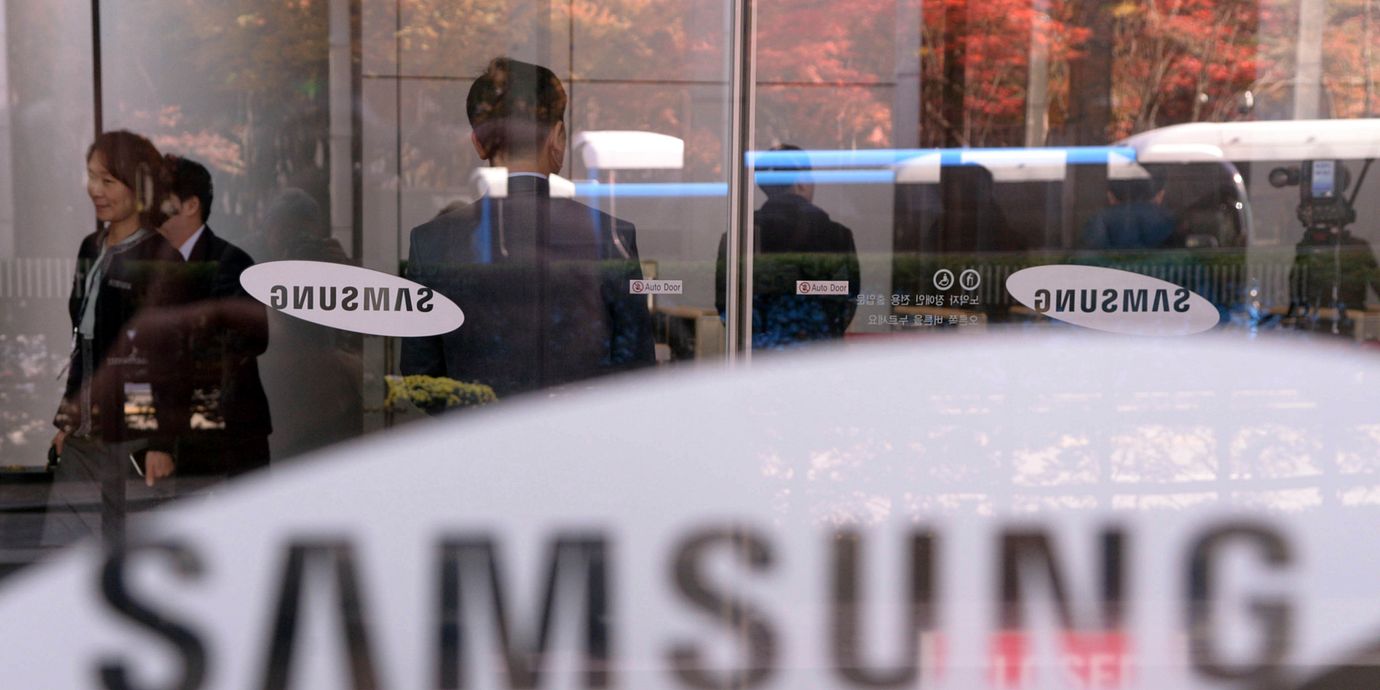
Den sydkoreanska smartphonejätten Samsung fick tidigare i höstas ett förslag från aktivistfonden Elliott Management om att stycka upp verksamheten i två delar. Nu ska bolagets styrelse diskutera saken, skriver Reuters. Nyhetsbyrån hänvisar till den sydkoreanska tidningen Seoul Economic Daily, som citerar anonyma källor.
Styrelsen ska enligt källorna mötas på tisdagen och sedan ge ett formellt svar på förslaget. Bolaget har inte kommenterat uppgifterna.
Tidigare artiklar
bakgrund
Paul Singer driver fonden Elliott Management
Wikipedia (en)
Paul Elliott Singer (born August 22, 1944) is an American hedge fund manager, activist investor, and philanthropist. His hedge fund, Elliott Management Corporation (EMC)—specializes in distressed debt acquisitions. Singer is also the founder and CEO of NML Capital Limited, a Cayman Islands-based offshore unit of Elliott Management Corporation. In 2016, Forbes rated Singer's net worth as $2.2 billion.
Singer's philanthropic activities include financial support for LGBTQ rights,—since his son came out as gay in 1998. His political activities include funding the Manhattan Institute for Policy Research and he has written against raising taxes for the 1% and aspects of the Dodd-Frank Act. Singer is active in Republican Party politics and collectively, Singer and others affiliated with Elliott Management are "the top source of contributions" to the National Republican Senatorial Committee.
Fortune magazine described him as one of the "smartest and toughest money managers" in the hedge fund industry. A number of sources have branded him a "vulture capitalist", largely on account of his role at EMC, which has been called a vulture fund. Elliott was termed by The Independent as "a pioneer in the business of buying up sovereign bonds on the cheap, and then going after countries for unpaid debts", and in 1996, Singer began using the strategy of purchasing sovereign debt from nations in or near default—such as Argentina, Peru—through his NML Capital Limited and Congo-Brazzaville through Kensington International Inc. Singer’s business model of purchasing distressed debt from companies and sovereign states and pursuing full payment through the courts has led to criticism, while Singer and EMC defend their model as "a fight against charlatans who refuse to play by the market’s rules.”
bakgrund
Samsung
Wikipedia (en)
Samsung (Hangul: 삼성; hanja: 三星; Korean pronunciation: [sʰamsʰʌŋ]) is a South Korean multinational conglomerate company headquartered in Samsung Town, Seoul. It comprises numerous subsidiaries and affiliated businesses, most of them united under the Samsung brand, and is the largest South Korean chaebol (business conglomerate).
Samsung was founded by Lee Byung-chul in 1938 as a trading company. Over the next three decades, the group diversified into areas including food processing, textiles, insurance, securities and retail. Samsung entered the electronics industry in the late 1960s and the construction and shipbuilding industries in the mid-1970s; these areas would drive its subsequent growth. Following Lee's death in 1987, Samsung was separated into four business groups – Samsung Group, Shinsegae Group, CJ Group and Hansol Group. Since 1990, Samsung has increasingly globalized its activities and electronics; in particular, its mobile phones and semiconductors have become its most important source of income.
Notable Samsung industrial subsidiaries include Samsung Electronics (the world's largest information technology company measured by 2012 revenues, and 4th in market value), Samsung Heavy Industries (the world's 2nd-largest shipbuilder measured by 2010 revenues), and Samsung Engineering and Samsung C&T (respectively the world's 13th and 36th-largest construction companies). Other notable subsidiaries include Samsung Life Insurance (the world's 14th-largest life insurance company), Samsung Everland (operator of Everland Resort, the oldest theme park in South Korea) and Cheil Worldwide (the world's 15th-largest advertising agency measured by 2012 revenues).
Samsung has a powerful influence on South Korea's economic development, politics, media and culture and has been a major driving force behind the "Miracle on the Han River". Its affiliate companies produce around a fifth of South Korea's total exports. Samsung's revenue was equal to 17% of South Korea's $1,082 billion GDP.
Omni är politiskt obundna och oberoende. Vi strävar efter att ge fler perspektiv på nyheterna. Har du frågor eller synpunkter kring vår rapportering? Kontakta redaktionen