Kedjereaktioner riskerar göra permanent klimatskada
Ett 30-tal pågående kedjereaktioner driver upp de globala temperaturerna och riskerar att göra permanent skada på klimatet, visar en ny studie enligt CNN.
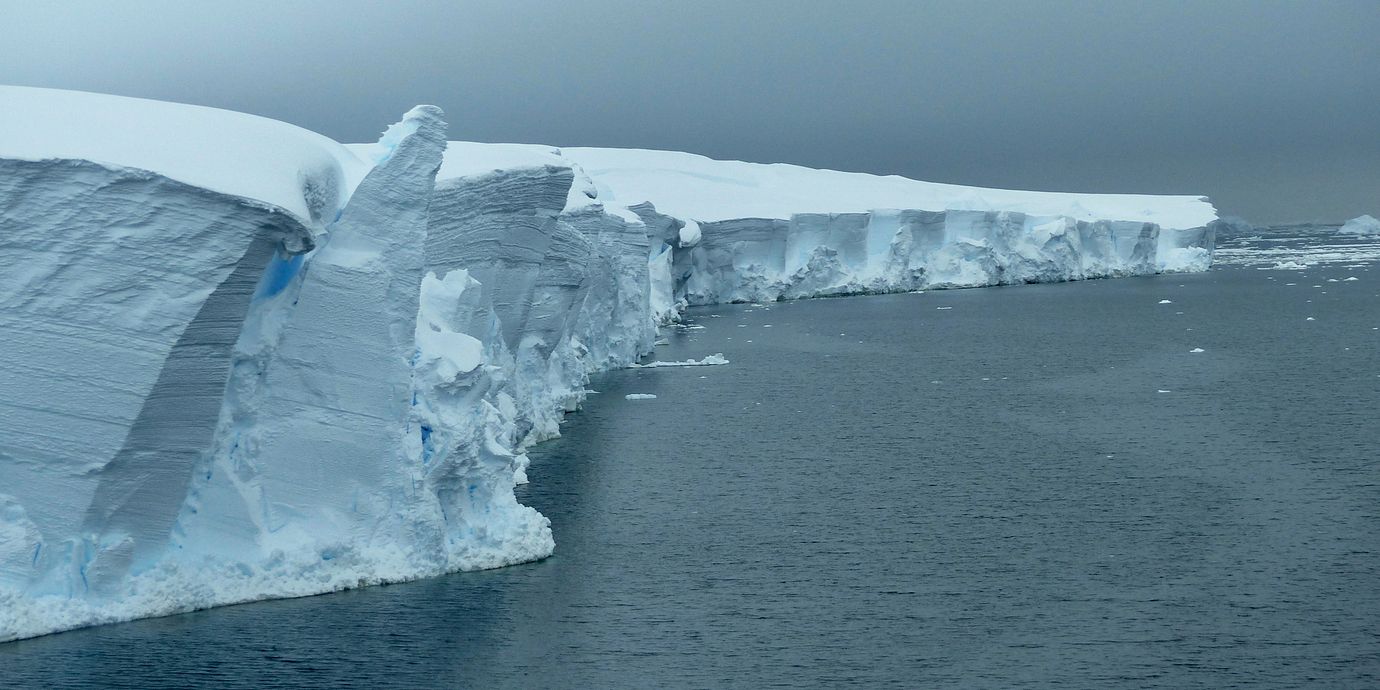
Ett exempel är den smältande arktiska havsisen. När isen smälter blottas den mörka havsytan under. Då mörka ytor absorberar mer värme än ljusreflekterande ytor som is blir havet allt varmare, vilket i sin tur leder till snabbare isavsmältning.
– I värsta fall, om de självförstärkande kedjereaktionerna är kraftiga nog, blir resultatet sannolikt tragiska klimatförändringar bortom mänsklig kontroll, säger William Ripple, ekologiprofessor vid Oregon State University och en av studiens huvudförfattare.
bakgrund
Klimatkedjereaktioner
Wikipedia (en)
Climate change feedbacks are important in the understanding of global warming because feedback processes amplify or diminish the effect of each climate forcing, and so play an important part in determining the climate sensitivity and future climate state. Feedback in general is the process in which changing one quantity changes a second quantity, and the change in the second quantity in turn changes the first. Positive (or reinforcing) feedback amplifies the change in the first quantity while negative (or balancing) feedback reduces it.The term "forcing" means a change which may "push" the climate system in the direction of warming or cooling. An example of a climate forcing is increased atmospheric concentrations of greenhouse gases. By definition, forcings are external to the climate system while feedbacks are internal; in essence, feedbacks represent the internal processes of the system. Some feedbacks may act in relative isolation to the rest of the climate system; others may be tightly coupled; hence it may be difficult to tell just how much a particular process contributes.Forcings and feedbacks together determine how much and how fast the climate changes. The main positive feedback in global warming is the tendency of warming to increase the amount of water vapor in the atmosphere, which in turn leads to further warming. The main cooling response comes from the Stefan–Boltzmann law, the amount of heat radiated from the Earth into space changes with the fourth power of the temperature of Earth's surface and atmosphere. It is typically not considered a feedback. Observations and modelling studies indicate that there is a net positive feedback to warming. Large positive feedbacks can lead to tipping points—abrupt or irreversible changes in the climate system—depending upon the rate and magnitude of the climate change.
Omni är politiskt obundna och oberoende. Vi strävar efter att ge fler perspektiv på nyheterna. Har du frågor eller synpunkter kring vår rapportering? Kontakta redaktionen