Offrets familj: Polisen brände hennes kropp
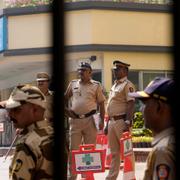
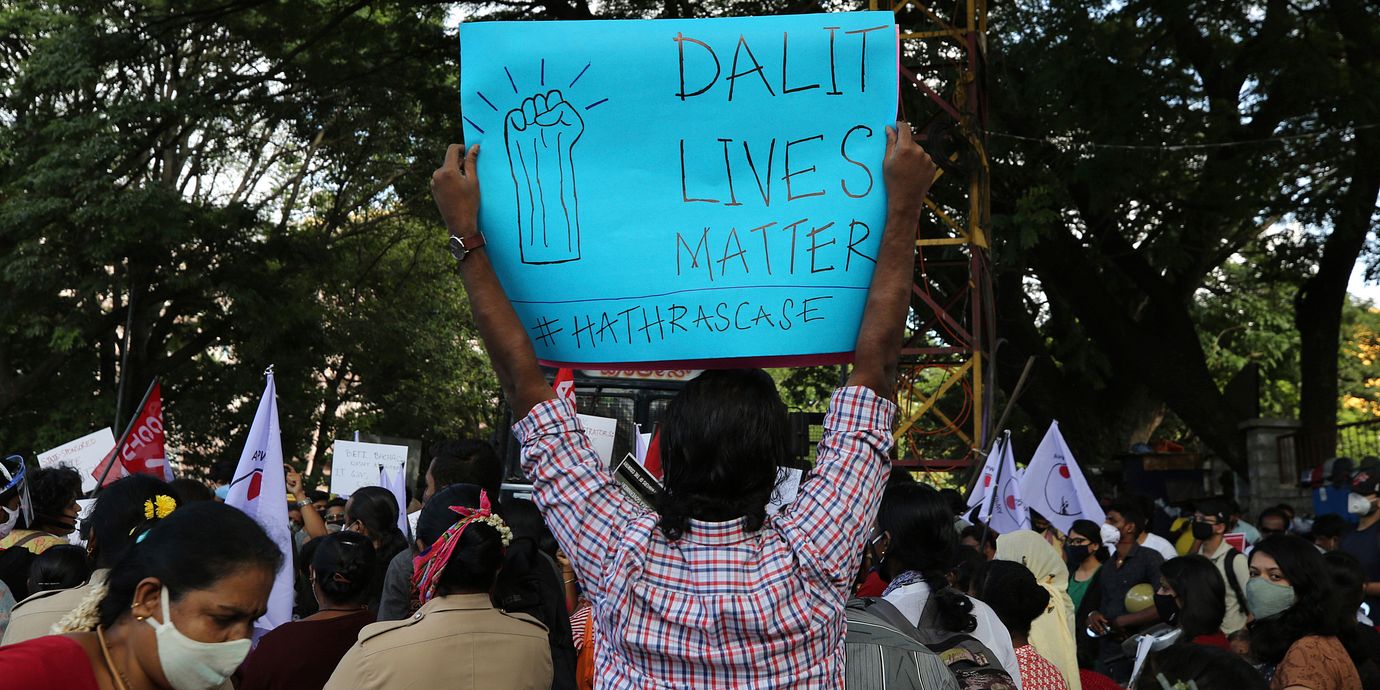
Polisen brände kroppen efter en 19-årig kvinna som utsatts för en gruppvåldtäkt i delstaten Uttar Pradesh i norra Indien mot hennes familjs vilja. Det säger hennes bror till Reuters.
Hon försvann på morgonen 14 september och hittades svårt skadad på ett fält nära familjens bostad. Hon dog i tisdags av skadorna. Enligt familjen kremerades kroppen mot deras vilja, något som lokal myndigheter förnekar.
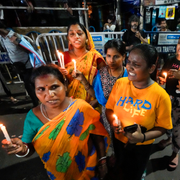
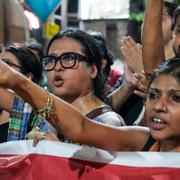
Våldtäkten har väckt stor uppmärksamhet i landet och är andra kända fallet inom en vecka. Både 19-åringen och den andra kvinnan tillhörde gruppen dalit, det vill säga kastlös eller så kallad ”oberörbar”.
bakgrund
Dalit
Wikipedia (en)
Dalit (Sanskrit: दलित, romanized: dälit), meaning "broken/scattered" in Sanskrit and Hindi, is a term used for people belonging to castes in India who have been subjected to untouchability. Dalits were excluded from the four-fold varna system of Hinduism and were seen as forming a fifth varna, also known by the name of Panchama. Dalits now profess various religious beliefs, including Hinduism, Buddhism, Sikhism, Christianity, Islam and various other belief systems.
The term dalits was in use as a translation for the British Raj census classification of Depressed Classes prior to 1935. It was popularised by the economist and reformer B. R. Ambedkar (1891–1956), who included all depressed people irrespective of their caste into the definition of Dalits. Hence the first group he made was called the "Labour Party" and included as its members all people of the society who were kept depressed, including women, small scale farmers and people from backward castes. Leftists like Kanhaiya Kumar subscribe to this definition of "dalits"; thus a Brahmin marginal farmer trying to eke out a living, but unable to do so also falls in the "dalit" category. Ambedkar himself was a Mahar, and in the 1970s the use of the word "dalit" was invigorated when it was adopted by the Dalit Panthers activist group. Gradually, political parties used it to gain mileage.
India's National Commission for Scheduled Castes considers official use of dalit as a label to be "unconstitutional" because modern legislation prefers Scheduled Castes; however, some sources say that Dalit has encompassed more communities than the official term of Scheduled Castes and is sometimes used to refer to all of India's oppressed peoples. A similar all-encompassing situation prevails in Nepal.
Scheduled Caste communities exist across India, although they are mostly concentrated in four states; they do not share a single language or religion. They comprise 16.6 per cent of India's population, according to the 2011 Census of India. Similar communities are found throughout the rest of South Asia, in Nepal, Pakistan, Bangladesh and Sri Lanka, and are part of the global Indian diaspora.
In 1932, the British Raj recommended separate electorates to select leaders for Dalits in the Communal Award. This was favoured by Ambedkar but when Mahatma Gandhi opposed the proposal it resulted in the Poona Pact. That in turn influenced the Government of India Act, 1935, which introduced the reservation of seats for the Depressed Classes, now renamed as Scheduled Castes.
From soon after its independence in 1947, India introduced a reservation system to enhance the ability of Dalits to have political representation and to obtain government jobs and education. In 1997, India elected its first Dalit President, K. R. Narayanan. Many social organisations have promoted better conditions for Dalits through education, healthcare and employment. Nonetheless, while caste-based discrimination was prohibited and untouchability abolished by the Constitution of India, such practices are still widespread. To prevent harassment, assault, discrimination and similar acts against these groups, the Government of India enacted the Prevention of Atrocities Act, also called the SC/ST Act, on 31 March 1995.
In accordance with the order of the Bombay High Court, the Information and Broadcasting Ministry (I&B Ministry) of the Government of India issued an advisory to all media channels in September 2018, asking them to use "Scheduled Castes" instead of the word "Dalit".
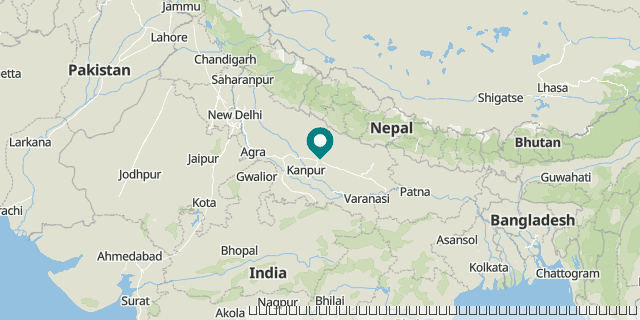
Uttar Pradesh, Indien
Omni är politiskt obundna och oberoende. Vi strävar efter att ge fler perspektiv på nyheterna. Har du frågor eller synpunkter kring vår rapportering? Kontakta redaktionen