Skulle leda USA:s arbete mot missbruk – drar sig ur
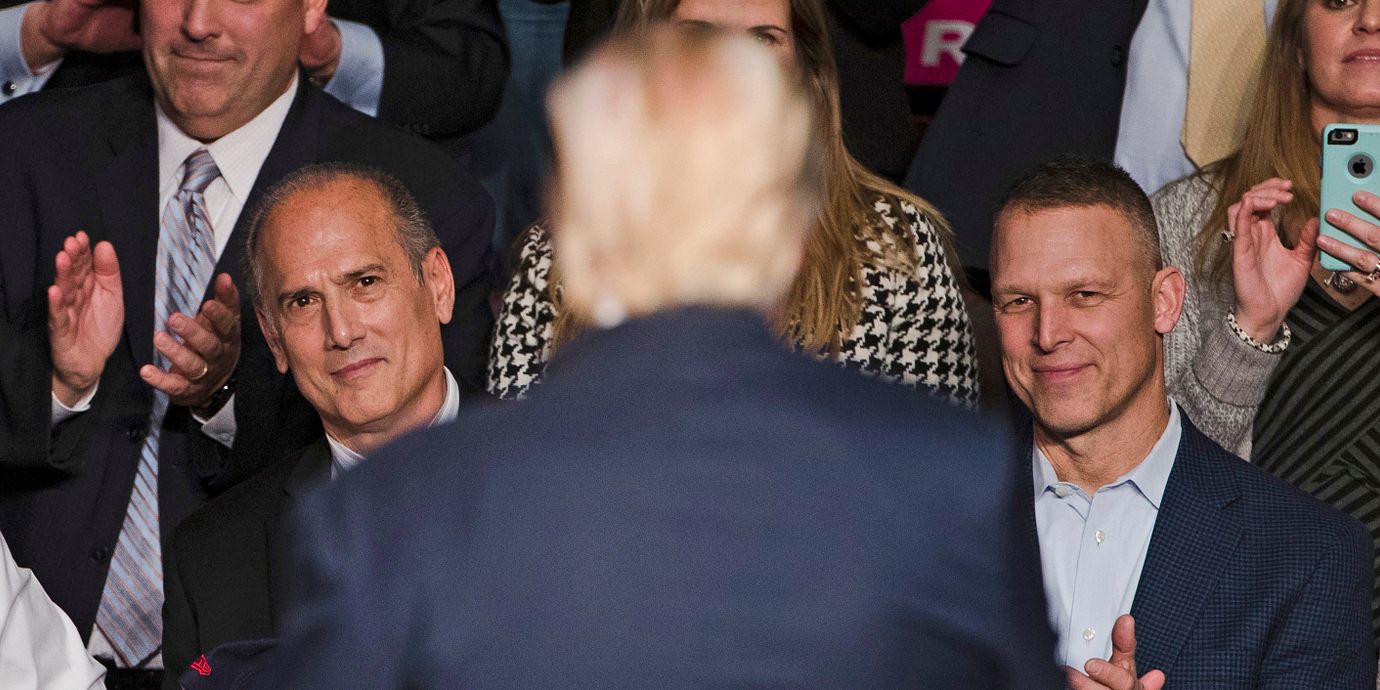
Kongressledamoten Tom Marino, som nominerats av Donald Trump till att leda arbetet mot drog- och läkemedelsmissbruket i USA, har dragit tillbaka sitt namn från nomineringsprocessen, rapporterar amerikanska medier.
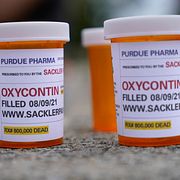
Beslutet kommer efter att CBS och Washington Post granskat opiumkrisen i USA. De ska bland annat ha rapporterat om att en lag som godkänts av kongressen gjort det lättare för läkemedelsföretag att distribuera opioiderna i USA. Marino var den som drev fram lagförslaget och ska ha tagit emot nästan 100 000 dollar från lobbyister för läkemedelsindustrin, skriver CNN.
bakgrund
Opioidkrisen i USA
Wikipedia (en)
The opioid epidemic or opioid crisis is the rapid increase in the use of prescription and non-prescription opioid drugs in the United States and Canada in the 2010s. Opioids are a diverse class of very strong painkillers, including oxycodone (commonly sold under the trade names OxyContin and Percocet), hydrocodone (Vicodin), and fentanyl, which are synthesized to resemble opiates such as opium-derived morphine and heroin. The potency and availability of these substances, despite their high risk of addiction and overdose, have made them popular both as formal medical treatments and as recreational drugs. Due to their sedative effects on the part of the brain which regulates breathing, opioids in high doses present the potential for respiratory depression, and may cause respiratory failure and death.
According to the U.S. Drug Enforcement Administration, "overdose deaths, particularly from prescription drugs and heroin, have reached epidemic levels." Nearly half of all opioid overdose deaths in 2016 involved prescription opiods. From 1999 to 2008, overdose death rates, sales, and substance abuse treatment admissions related to opioid pain relievers all increased substantially. By 2015, annual overdose deaths surpassed deaths from both car accidents and guns.
Drug overdoses have since become the leading cause of death of Americans under 50, with two-thirds of those deaths from opioids. In 2016, 62,000 Americans died from overdoses, 19 percent more than in 2015, and had killed more Americans in one year than both the wars in Vietnam and Iraq combined. By comparison, the figure was 16,000 in 2010, and 4,000 in 1999. Figures from June 2017 indicate the problem has worsened. While death rates varied by state, public health experts estimate that nationwide over 500,000 people could die from the epidemic over the next 10 years.
In March 2017, Larry Hogan, the governor of Maryland, declared a state of emergency to combat the opioid epidemic, and in July 2017 opioid addiction was cited as the "FDA's biggest crisis." CDC director Thomas Frieden said that "America is awash in opioids; urgent action is critical." The crisis has changed moral, social, and cultural resistance to street drug alternatives such as heroin. On August 10, 2017, President Donald Trump agreed with his Commission's report released few weeks earlier and declared the country's opioid crisis a "national emergency." On September 1, Trump nominated as "drug czar" Tom Marino, whose election campaign had been financed by pharmaceutical distribution companies that had lobbied for, and profited from, legislation co-sponsored by Marino which protected pharmacies suspected of diverting pills.
Omni är politiskt obundna och oberoende. Vi strävar efter att ge fler perspektiv på nyheterna. Har du frågor eller synpunkter kring vår rapportering? Kontakta redaktionen