Smältande isar hotar kejsarpingvinens överlevnad
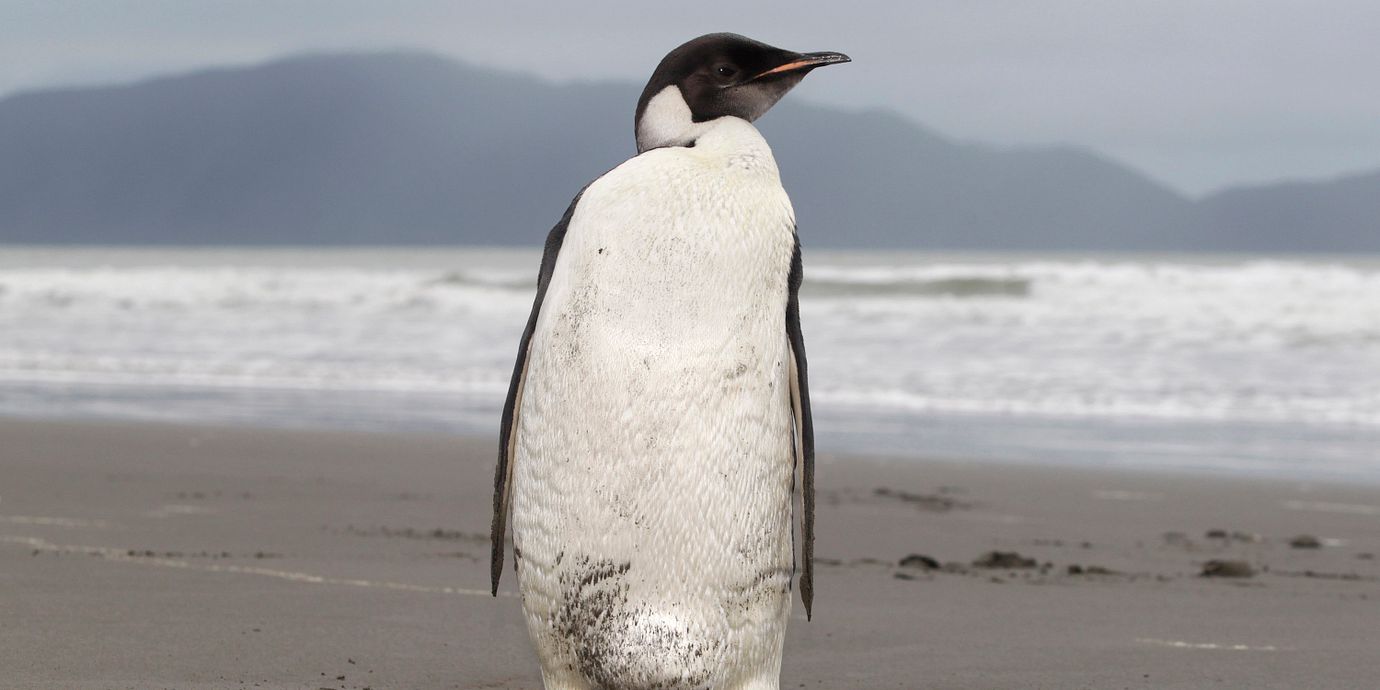
Flera tusen kejsarpingvinungar kan ha dött förra året till följd av de smältande havsisarna på Antarktis, när isen bröt sönder innan ungarna kunde klara sig på egen hand. Det rapporterar Ekot med hänvisning till en ny studie från British antarctic survey.
Isen på Antarktis har minskat kraftigt de senaste åren, och har de senaste två åren varit rekordlåg. Det hotar kejsarpingvinens överlevnad.
– Självklart är det väldigt oroande att förändringar sker nu i en så här oerhört snabb tak och att det drabbar så stor del av pingviner i det här området, säger Ola Karlén, oceanograf på SMHI.
Varför isarna smälter är inte helt klarlagt.
Kejsarpingvinen
Wikipedia (en)
The emperor penguin (Aptenodytes forsteri) is the tallest and heaviest of all living penguin species and is endemic to Antarctica. The male and female are similar in plumage and size, reaching 100 cm (39 in) in length and weighing from 22 to 45 kg (49 to 99 lb). Feathers of the head and back are black and sharply delineated from the white belly, pale-yellow breast and bright-yellow ear patches.
Like all penguins, it is flightless, with a streamlined body, and wings stiffened and flattened into flippers for a marine habitat. Its diet consists primarily of fish, but also includes crustaceans, such as krill, and cephalopods, such as squid. While hunting, the species can remain submerged around 20 minutes, diving to a depth of 535 m (1,755 ft). It has several adaptations to facilitate this, including an unusually structured haemoglobin to allow it to function at low oxygen levels, solid bones to reduce barotrauma, and the ability to reduce its metabolism and shut down non-essential organ functions.
The only penguin species that breeds during the Antarctic winter, emperor penguins trek 50–120 km (31–75 mi) over the ice to breeding colonies which can contain up to several thousand individuals. The female lays a single egg, which is incubated for just over two months by the male while the female returns to the sea to feed; parents subsequently take turns foraging at sea and caring for their chick in the colony. The lifespan is typically 20 years in the wild, although observations suggest that some individuals may live to 50 years of age.
Omni är politiskt obundna och oberoende. Vi strävar efter att ge fler perspektiv på nyheterna. Har du frågor eller synpunkter kring vår rapportering? Kontakta redaktionen