Trump hotar med veto – vill stoppa tech-immunitet
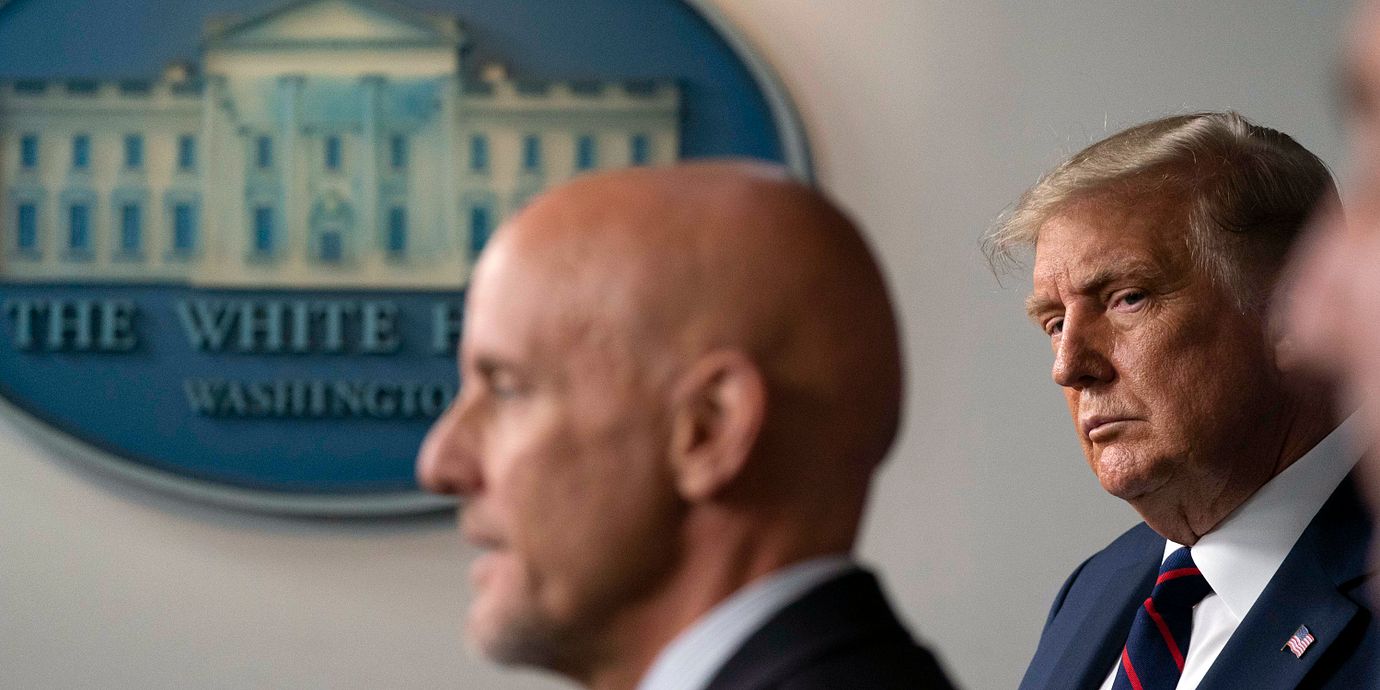
USA:s avgående president Donald Trump hotar med att lägga in ett veto mot den årliga försvarsnotan på 740 miljarder dollar om kongressen inte drar tillbaka en lag som skyddar sociala medier-plattformar från rättsligt ansvar för användarinnehåll.
På Twitter skriver Trump att ”gåvan från USA till ’big tech’” utgör ett allvarligt hot mot nationell säkerhet och valintegritet.
Nyhetsbyrån Axios skriver att utspelet är del av en eskalerande konflikt mellan honom och techbolagen, vilka presidenten och andra högt uppsatta republikaner menar är partiska mot konservativa röster.
bakgrund
Section 230
Wikipedia (en)
Section 230 is a piece of Internet legislation in the United States, passed into law as part of the Communications Decency Act (CDA) of 1996 (a common name for Title V of the Telecommunications Act of 1996), formally codified as Section 230 of the Communications Act of 1934 at 47 U.S.C. § 230. Section 230 generally provides immunity for website publishers from third-party content.
At its core, Section 230(c)(1) provides immunity from liability for providers and users of an "interactive computer service" who publish information provided by third-party users:
No provider or user of an interactive computer service shall be treated as the publisher or speaker of any information provided by another information content provider.
The statute in Section 230(c)(2) further provides "Good Samaritan" protection from civil liability for operators of interactive computer services in the removal or moderation of third-party material they deem obscene or offensive, even of constitutionally protected speech, as long as it is done in good faith.
Section 230 was developed in response to a pair of lawsuits against Internet service providers (ISPs) in the early 1990s that had different interpretations of whether the service providers should be treated as publishers or distributors of content created by its users. It was also pushed by the tech industry, and other experts, that language in the proposed CDA made providers responsible for indecent content posted by users that could extend to other types of questionable free speech. After passage of the Telecommunications Act, the CDA was challenged in courts and ruled by the Supreme Court in Reno v. American Civil Liberties Union (1997) to be partially unconstitutional, leaving the Section 230 provisions in place. Since then, several legal challenges have validated the constitutionality of Section 230.
Section 230 protections are not limitless, requiring providers to still remove material illegal on a federal level such as copyright infringement. In 2018, Section 230 was amended by the Stop Enabling Sex Traffickers Act (FOSTA-SESTA) to require the removal of material violating federal and state sex trafficking laws. In the following years, protections from Section 230 have come under more scrutiny on issues related to hate speech and ideological biases in relation to the power technology companies can hold on political discussions, and became a major issue during the 2020 United States presidential election.
Passed at a time when Internet use was just starting to expand in both breadth of services and range of consumers in the United States, Section 230 has frequently been referred as a key law that has allowed the Internet to flourish, and has been called "the twenty-six words that created the Internet".
Omni är politiskt obundna och oberoende. Vi strävar efter att ge fler perspektiv på nyheterna. Har du frågor eller synpunkter kring vår rapportering? Kontakta redaktionen