Västafrikanska ledare ska få Gambias president att gå
Västafrikanska ledare ska resa till Gambia i morgon för att övertyga den bortröstade presidenten Yahya Jammeh om att lämna ifrån sig makten, skriver Al Jazeera med hänvisning till en källa.
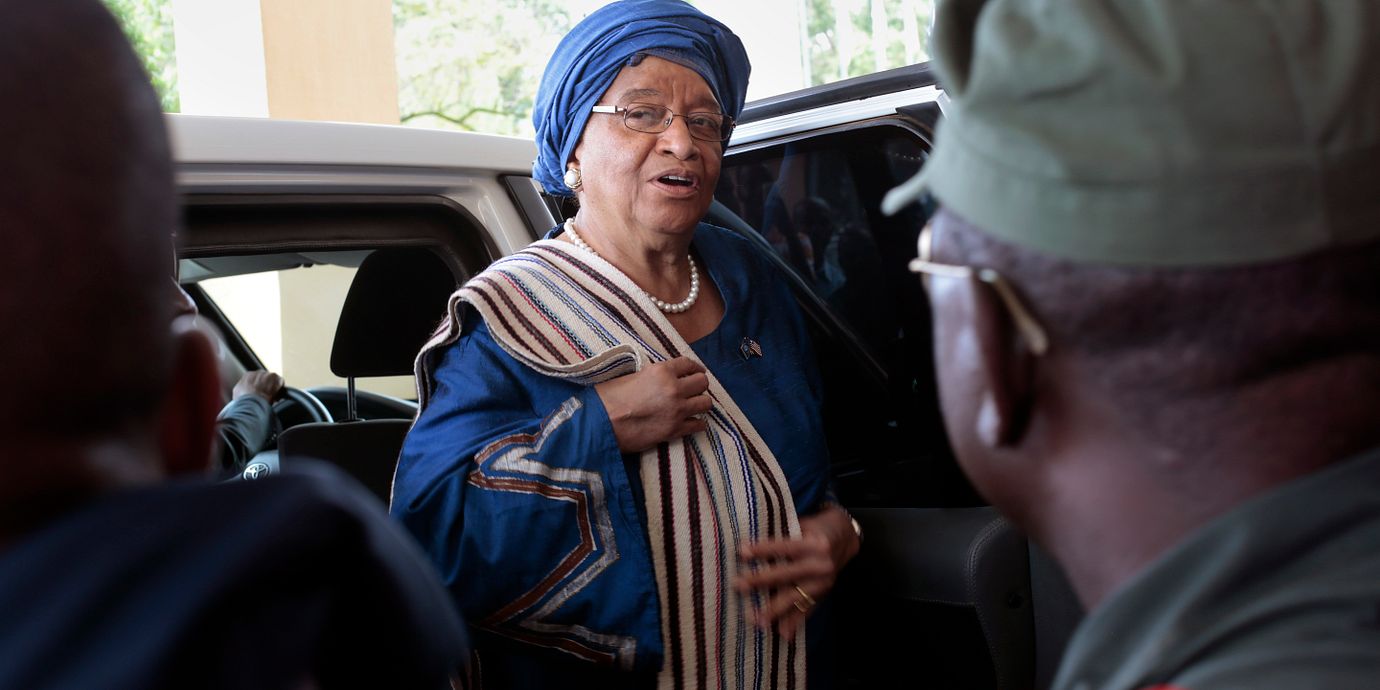
Enligt uppgifterna ska Liberias president Ellen Johnson Sirleaf leda delegationen som även omfattar bland annat Nigerias president Muhammadu Buhari och Ghanas avgående president John Dramani Mahama.
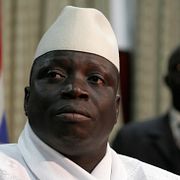
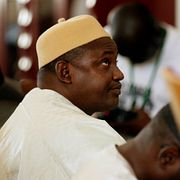
Jammeh har lett Gambia i 22 år och hans nederlag kom oväntat, liksom hans första besked om att acceptera resultatet. Han ändrade sig dock senare och överklagade utmanaren Adama Barrows seger.
bakgrund
Presidentvalet i Gambia 2016
Wikipedia (en)
The Gambian presidential election of 2016 was held on 1 December 2016. In a surprise result, opposition candidate Adama Barrow defeated long-term incumbent Yahya Jammeh. If the outcome of the election is followed by a transfer of power, the election will mark the first change of presidency in The Gambia since a military coup in 1994, and the first transfer of power by popular election since independence from the UK in 1965.
On 2 December, before the final results were announced, Jammeh graciously conceded defeat, shocking a populace that had expected him to retain power. BBC News called it "one of the biggest election upsets West Africa has ever seen". The final official results showed Barrow winning a 43.3% plurality, achieving a 3.7% margin of victory over Jammeh's 39.6% – with a third candidate, Mammah Kandeh, receiving 17.1% of the votes. Following the election, 19 opposition prisoners were released, including Ousainou Darboe, the leader of Barrow's United Democratic Party (UDP). There was widespread celebration of the result by the opposition, along with some caution over whether the transition would proceed without incident.
On 9 December 2016, Jammeh announced that he was rejecting the results of the election, and called for a new election. Troops were deployed in Banjul, the capital city, and Serekunda, the country's largest city. Jammeh's rejection of the results was condemned by several external bodies, including the United Nations Security Council (UNSC), which met in emergency session and issued a unanimous statement saying that Jammeh must peacefully hand over power.
Omni är politiskt obundna och oberoende. Vi strävar efter att ge fler perspektiv på nyheterna. Har du frågor eller synpunkter kring vår rapportering? Kontakta redaktionen