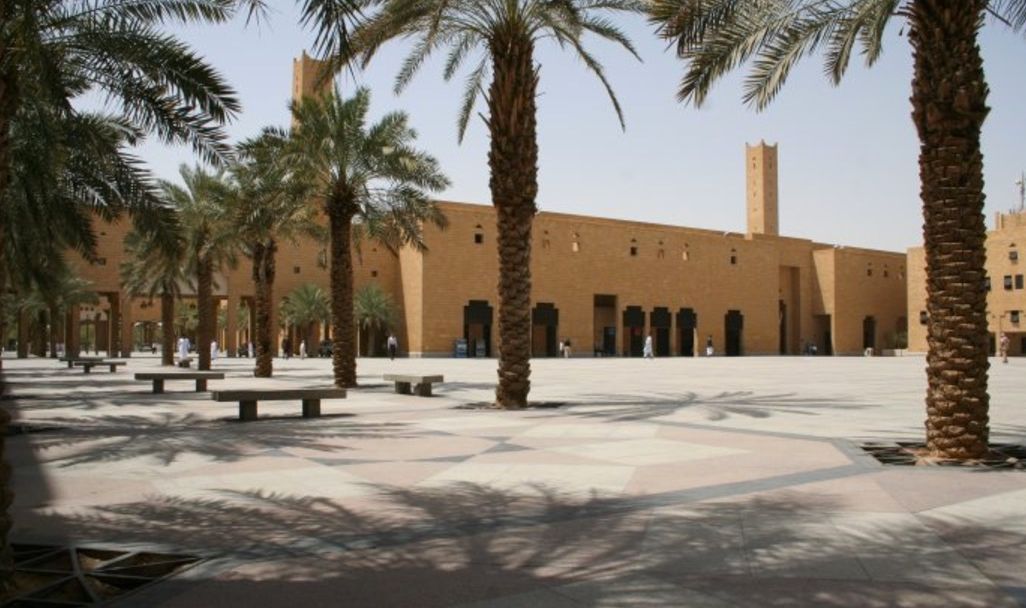
153 människor avrättade i Saudiarabien
Saudiarabien avrättade 153 människor under 2016, enligt en sammanräkning som nyhetsbyrån AFP gjort baserad på offentliga uttalanden. Det är något färre avrättningar än förra året.
Landet följer en strikt islamisk lag där mord, droghandel, väpnat rån, våldtäkt och trosförnekelse straffas med döden.
bakgrund
Dödsstraff i Saudiarabien
Wikipedia (en)
Capital punishment is a legal penalty in Saudi Arabia, and is based on Shari'ah (or Islamic law).
The wide range of crimes which can result in the death penalty and the use of public beheading are condemned internationally. In 2011, the Saudi government reported 26 executions in the country. Amnesty International counted a minimum of 79 in 2013. Foreigners accounted for "almost half" of executions in 2013, mainly on convictions for drug smuggling and murder, although there has not been any report of a Western national being executed in the recent history of Saudi Arabia. In 2015, the number of beheadings reached a two decade high of "at least" 157 and 47 were executed on 2 January 2016.
Death sentences in Saudi Arabia are pronounced almost exclusively based on the system of judicial sentencing discretion (tazir) rather than Sharia-prescribed (hudud) punishments, following the classical principle that hudud penalties should be avoided if possible. The rise in death sentences during recent decades resulted from a concerted reaction by the government and the courts to a rise of violent crime in the 1970s and paralleled similar developments in the U.S. and China.
Saudi Arabia is one of the last four countries that still carry out public executions.
Omni är politiskt obundna och oberoende. Vi strävar efter att ge fler perspektiv på nyheterna. Har du frågor eller synpunkter kring vår rapportering? Kontakta redaktionen