Trump: Migrationsdeal mot 25 miljarder till muren
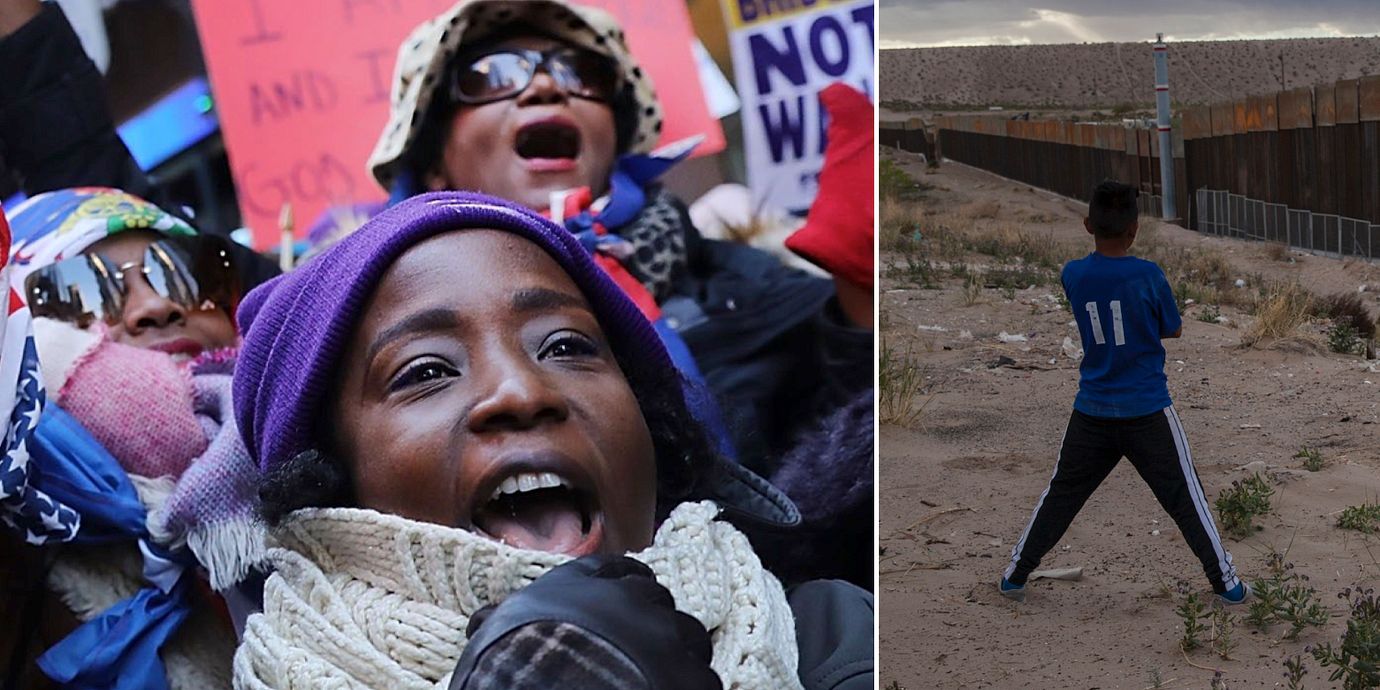
Donald Trump är beredd att ge 1,8 miljoner migranter, så kallade dreamers, medborgarskap. I utbyte vill han att kongressen sätter undan 25 miljarder dollar till bygget av muren mot Mexiko, skriver amerikanska medier.
I Trumps förslag, som väntas skickas till senaten på måndag, finns också åtgärder som skärper USA:s invandringspolitik och gränskontroller. Förslaget väntas möta blandade reaktioner i kongressen, skriver Washington Post.
Trump hoppas att den nya migrationslagen ska lösa konflikten om Daca, det omstridda program som hjälper ungdomar som kommit som papperslösa till USA att få stanna.
bakgrund
Daca-programmet
Wikipedia (en)
The Deferred Action for Childhood Arrivals (DACA) was an American immigration policy that allowed some individuals who entered the country as minors, and had either entered or remained in the country illegally, to receive a renewable two-year period of deferred action from deportation and to be eligible for a work permit. As of 2017, approximately 800,000 individuals were enrolled in the program created by DACA. The policy was established by the Obama Administration in June 2012 and rescinded by the Trump Administration in September 2017. The policy was established by executive action rather than legislation; however, participating individuals were sometimes referred to as Dreamers after the DREAM Act bill, a bipartisan bill first proposed in 2001 that was the first of a number of subsequent bills in the U.S. House and Senate attempting to provide a pathway to citizenship or other legal status for certain undocumented residents who immigrated illegally as children and subsequently completed some college or military service.
In November 2014 President Barack Obama announced his intention to expand DACA to cover additional illegal immigrants. But multiple states immediately sued to prevent the expansion, which was ultimately blocked by the courts. The United States Department of Homeland Security rescinded the expansion on June 16, 2017, while continuing to review the existence of the DACA program as a whole. The DACA policy was rescinded by the Trump Administration on September 5, 2017, but full implementation of the rescission was delayed six months to give Congress time to decide how to deal with the population that was previously eligible under the policy.
Research shows that DACA increased the wages and labor force participation of DACA-eligible immigrants, and reduced the number of unauthorized immigrant households living in poverty. Studies have shown that DACA increased the mental health outcomes for DACA-eligible immigrants and their children. There are no known major adverse impacts from DACA on native-born workers' employment, and most economists say that DACA benefits the U.S. economy. To be eligible for the program, recipients may not have felonies or serious misdemeanors on their records. There is no evidence that individuals covered by DACA are more likely to commit crimes than the general population of the United States.
Omni är politiskt obundna och oberoende. Vi strävar efter att ge fler perspektiv på nyheterna. Har du frågor eller synpunkter kring vår rapportering? Kontakta redaktionen