Alla 21-åringar får köpa nio vapen – om året
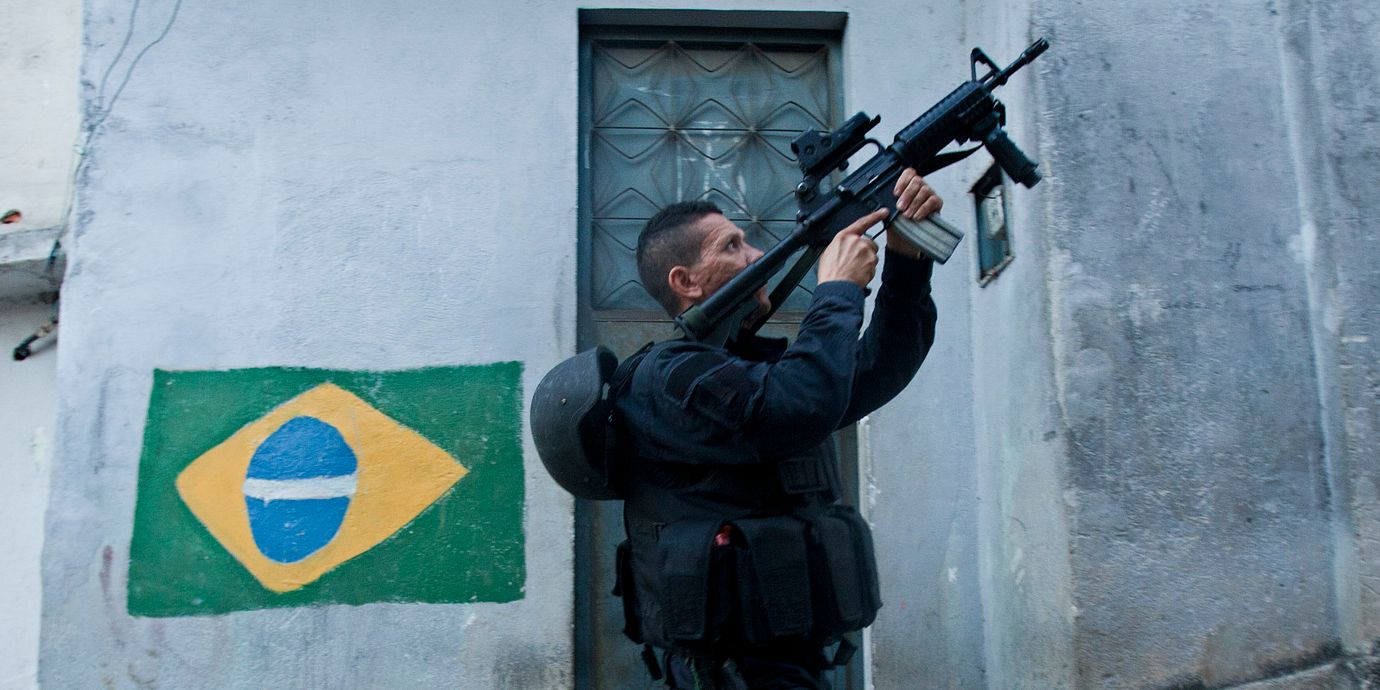
Omkring 40 000 människor mördas varje år med handeldvapen i Brasilien. Nu kan landet vara på väg att liberalisera sina vapenlagar. Ett lagförslag som går ut på att ta bort de restriktioner som finns för att inneha vapen har godkänts i ett kongressutskott och lämnas över till deputeradekammaren nästa månad.
Lagförslaget innebär att alla som är över 21 år, utom personer som har dömts för grova brott, får köpa upp till nio skjutvapen per år och 50 patroner i månaden.
– Det blir en återgång till Vilda västern, säger Ivan Valente, kongressledamot från vänsterpartiet PSOL.
bakgrund
Brasiliens vapenpolitik
Wikipedia (en)
Because of gun politics in Brazil, all firearms are required to be registered with the state; the minimum age for ownership is 25. It is illegal to carry a gun outside a residence. A special permit is granted to certain groups, such as law enforcement officers. To legally own a gun, after obtaining the license, which costs BRL R$1000 the owner must pay a fee every three years to register the gun, currently at BRL R$85 and registration can be done via the Internet or in person with the Federal Police. Until the end of the 2008, unregistered guns could be legalized for free.
The total number of firearms in Brazil is thought to be around 17 million with 9 million of those being unregistered. Some 39,000 people died in 2003 due to gun-related injuries nationwide. In 2004, the number was 36,000. Brazil has the second largest arms industry in the Western Hemisphere. Approximately 80 percent of the weapons manufactured in Brazil are exported, mostly to neighboring countries; many of these weapons are then smuggled back into Brazil. Some firearms in Brazil come from police and military arsenals, having either been "stolen or sold by corrupt soldiers and officers."
The majority of Brazilian population, in 2005, voted against banning the sale of guns and ammunition to civilians in a referendum. Voting was compulsory for people between the ages of 18 and 70. The belief of a fundamental natural human right to self-defense, low efficacy of police, high levels of use of illegal weapons in crimes in contrast to a very rare usage of legal weapons, and advocacy by Non Governmental Organizations (N.G.O.) such as the NRA are some of the factors that may have influenced 65% of Brazilian people to decide against the ban. The gun ban proposal received mixed support in the press, while celebrities were generally in favor, and drew the attention of international NGOs such as the NRA who financed Brazilian anti-ban lobbying groups and right-wing press, most importantly Veja the Brazilian news magazine (indeed weekly publication of any kind) with the largest paid circulation in the country. Other media, like the powerful Globo group (owners of Brazil's largest TV network Rede Globo) and some quality broadsheets like Folha de S.Paulo took a more nuanced stance tending towards the neutral. The referendum was the first time the US-based NRA involved itself prominently in helping to maintain gun rights in a major country and was successful in influencing the outcome of a national referendum.
Omni är politiskt obundna och oberoende. Vi strävar efter att ge fler perspektiv på nyheterna. Har du frågor eller synpunkter kring vår rapportering? Kontakta redaktionen